Brands
PepsiCo India appoints Saakshi Verma Menon as chief marketing officer for foods

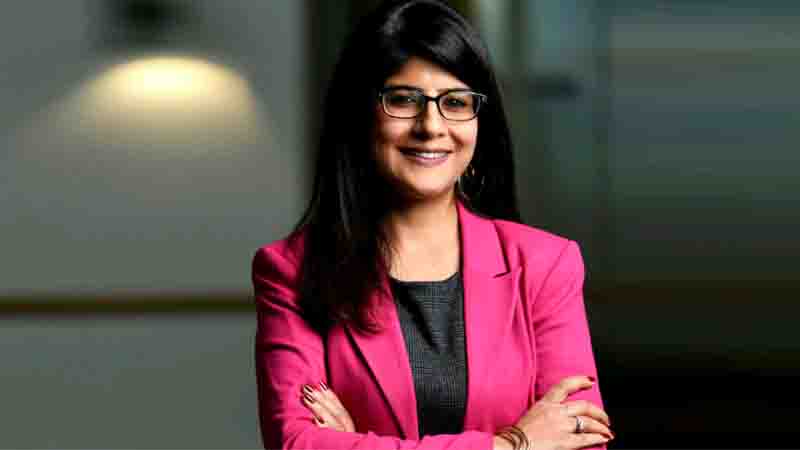
Mumbai: PepsiCo India has named Saakshi Verma Menon as its new chief marketing officer (CMO) for the foods division, as outgoing CMO Anshul Khanna moves into a new role within the company. The announcement comes amid heightened competition and renewed strategic focus on the Indian packaged foods segment.
Menon, a key member of PepsiCo’s India leadership team, will lead the marketing strategy for the company’s foods portfolio, which includes household brands such as Lay’s, Kurkure, Uncle Chipps, Quaker, Cheetos, and Doritos.
“Super pumped to work on some of the most iconic and beloved brands from the house of PepsiCo,” Menon wrote in a LinkedIn post. “These brands have been part of everyday moments for millions, and I’m excited to shape the next chapter of their journey.”

Menon steps into the new role after leading regional brand initiatives for PepsiCo’s AMESA (Africa, Middle East and South Asia) business, where she managed cross-market campaigns for core beverages including Pepsi, 7Up, and Mountain Dew. With over 20 years of marketing experience, she has also held senior roles at Colgate-Palmolive, Uber, and Kimberly-Clark, bringing a blend of global insight and local consumer acumen.
PepsiCo India reported revenues of Rs 8,877 crore and profit after tax of Rs 883.4 crore for the financial year ended 31 December 2024. The company’s snacks segment contributed over Rs 6,800 crore, underscoring the strength of its packaged foods portfolio.
India’s packaged foods market is currently valued at Rs 3.6 trillion, while the carbonated beverages segment stood at $18.25 billion in 2022, according to ICRIER. PepsiCo faces strong competition from both multinational and domestic players, including Coca-Cola, ITC, Bikaji, and Haldiram’s, with bottling operations managed by its partner, Varun Beverages.
To bolster local manufacturing and supply chain capabilities, PepsiCo India last year announced a Rs 1,266 crore investment to set up a flavour manufacturing facility in Ujjain, MadhyaPradesh, expected to be operational in Q1 2026. A second facility is also being developed in Tamil Nadu, reaffirming the company’s long-term commitment to the Indian market.
(If you are an Anime fan and love Anime like Demon Slayer, Spy X Family, Hunter X Hunter, Tokyo Revengers, Dan Da Dan and Slime, Buy your favourite Anime merchandise on AnimeOriginals.com.)






Brands
Google nears Nvidia in race for world’s most valuable company
Market cap gap narrows as Google hits $4.65 trillion, Nvidia at $4.86 trillion.
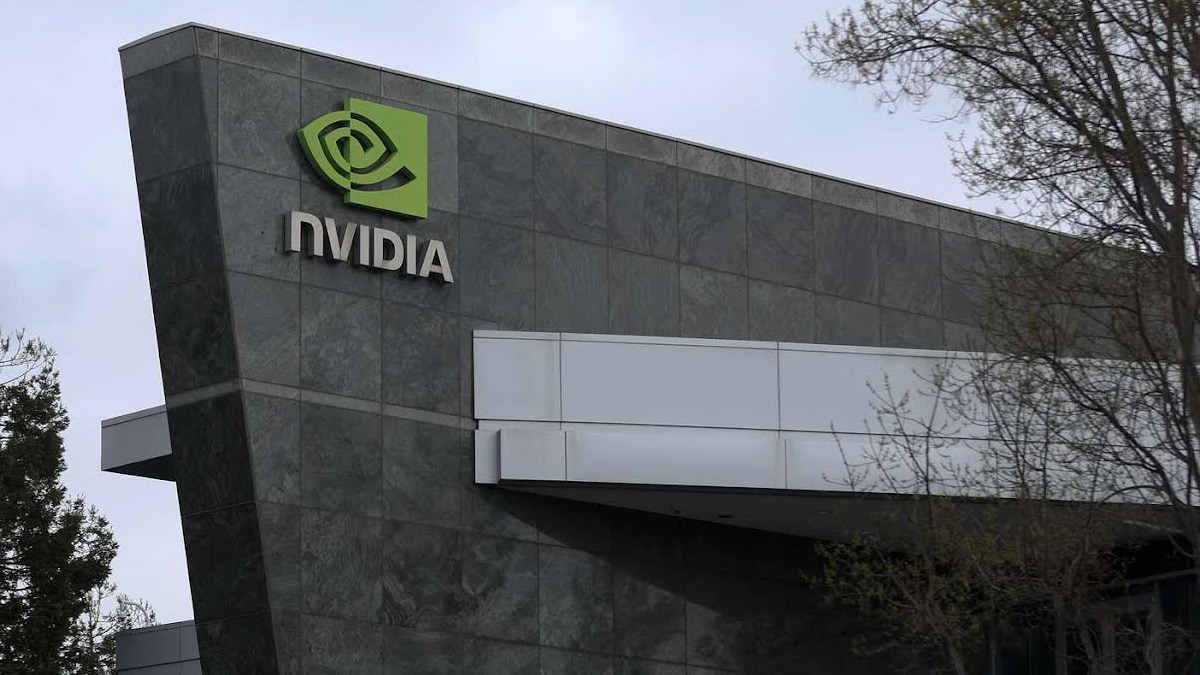
MUMBAI: In the AI gold rush, even the giants are sprinting and Google is suddenly gaining ground. Google is rapidly closing in on Nvidia in the race to become the world’s most valuable publicly listed company, with the gap between the two narrowing sharply amid diverging stock momentum. The tech giant’s market capitalisation has surged to around $4.65 trillion, following a more than 140 per cent rise in its share price over the past year.
That rally has added over $2.6 trillion in value in just 12 months, including nearly $900 billion since January alone. Its stock recently hovered at $381.80, slipping marginally by 0.04 per cent, but still reflecting strong upward momentum.
Nvidia, meanwhile, continues to hold the top spot with a valuation of approximately $4.86 trillion. The chipmaker crossed the $5 trillion milestone in October last year and peaked at $5.27 trillion on 27 April. However, its shares have largely plateaued over the past six months, rising just 0.2 per cent recently to $199.99.
The contrast in trajectories is striking. While Nvidia has seen relatively flat movement, Google has gained over 36 per cent in the same six-month period. Barron’s estimates suggest that if current trends hold, the valuation gap could shrink to as little as $190 million by the time Nvidia reports its first-quarter earnings on 20 May.
Daily momentum paints a similar picture. Nvidia recorded average daily gains of about 0.66 per cent last month, compared to Google’s stronger 1.42 per cent, an edge that could prove decisive in the short term.
Driving Google’s resurgence is its aggressive push into artificial intelligence across its ecosystem, from search and YouTube to cloud computing. The company has already invested $144 billion in capital expenditure over the past two years and plans to deploy a further $490 billion over the next two.
Its cloud division is also gathering pace. Google Cloud reported an order backlog of nearly $220 billion in the latest quarter, with total backlog touching a record $462 billion, around half of which is expected to be realised within two years. The company’s entry into chip sales is also beginning to factor into its growth narrative.
The last time Google briefly topped the S&P 500 by market value was in February 2016, when it edged past Apple for just two days. This time, the stakes and the numbers are far higher.
At the heart of the contest lies a single force: artificial intelligence. As both companies pour billions into infrastructure, chips and platforms, the leaderboard is no longer just about size, it is about who can scale the future faster.