Factual
Ideabaaz: NSE takes stock of startups as women-led ideas drive India’s growth

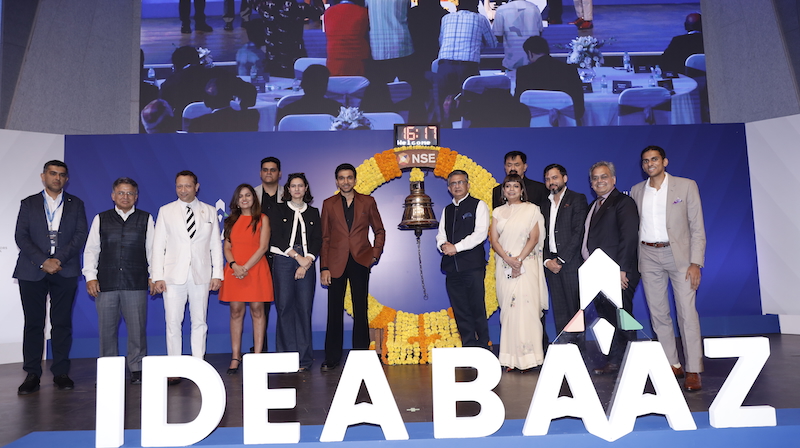
MUMBAI: If stock markets run on bulls and bears, India’s newest marketplace is running on bold ideas led by women. At the National Stock Exchange (NSE), where fortunes rise and fall by the tick, Ideabaaz, the country’s first integrated startup-investor marketplace and entrepreneurial reality show, made its debut, promising to turn kitchen-table dreams, especially those of women entrepreneurs into boardroom breakthroughs.
The launch, presided over by NSE MD & CEO Ashishkumar Chauhan, brought together an eclectic mix of business leaders, venture capitalists, founders, and dignitaries, signalling that women-led entrepreneurship is now centre stage in India’s economic playbook.
The emphasis on mentorship is particularly significant. Experienced entrepreneurs, investors, and industry leaders are providing guidance that goes beyond capital helping women navigate regulatory hurdles, refine business models, and scale operations. “Mentorship is the bridge between dreams and execution,” noted one participant. “It’s what transforms ideas into sustainable businesses.”
Networking opportunities are another cornerstone. Ideabaaz brings together founders, investors, and experts under one roof, enabling women entrepreneurs to learn from peers and industry veterans alike. The connections made here could define the trajectory of India’s next unicorns, and the programme ensures that women are front and centre in these high-value interactions.
Ideabaaz pitches itself as more than just another startup show. It combines investor matchmaking, mentorship, professional services, and transparent tracking, with a strong focus on women entrepreneurs in growing cities and towns. Its mission: to empower a billion dreams and turbocharge India’s economic engine. “This is not just about entertainment,” emphasised the team. “It’s about access to capital, to mentors, to opportunities that were once out of reach for small-town innovators.”
Among the most rousing voices was SheThePeople and Gytree founder Shaili Chopra who said: “My introduction often says I’m ‘Women Entrepreneurship’s OG Queen,’ a crown I wear with pride but also with responsibility for the 6.2 million women in our network and 70,000 women entrepreneurs we meet every day. At Ideabaaz, we multiply that number seriously. We are a country of 1.5 billion, half of them women, we deserve half the opportunity and half the voice.”
She added with characteristic punch: “Indian women entrepreneurs are not the side story, they are the centrepiece. They don’t wait for the stage they take it. From kitchens to boardrooms, women are shaping India’s growth story. And as we build this idea of ‘We the People of India,’ let’s not forget ‘She the People of India.’”
For The Sleep Company co-founder Priyanka Salot, the moment was emotional: “As a founder, I’ve always got goosebumps watching someone ring that NSE bell. Today, being part of Ideabaaz makes it real. I started in a small town with a very big dream, and in six years of building The Sleep Co, I’ve learnt that India is the best place in the world to be an entrepreneur.”
She stressed the macro context saying: “We’re on track to a 5 trillion dollars economy, and the backbone of that will be startups. Ideabaaz matters because it’s not just a show, it’s a movement. It gives wings to ambitions, showcases the strength of Indian innovation, and provides not just money, but mentorship and learning. Dream big, execute bigger.”
Financial empowerment goes hand-in-hand with recognition. By giving women founders a chance to pitch directly to investors, Ideabaaz is fostering an ecosystem where funding decisions are merit-based and inclusive. For many participants, this is the first time their businesses are being assessed purely on potential, innovation, and execution, rather than traditional biases.
Rukam Capital founder & managing partner Archana Jahagirdar brought the VC lens: “Next year marks 10 years since the startup boom, and look how far we’ve come. Today, nearly 2 lakh startups are registered with DPIIT. At Ideabaaz, I’ve seen founders from every corner of India, every language, every kind of business. We’ve backed them with money, but more importantly with our time and belief. Capital is critical, but mentorship is priceless.”
If the stock exchange has long been the temple of capital, then on this night, it became the stage for women-led ideas. The bell has been rung. Now it’s time for female founders across India to take their shot, proving that the next wave of entrepreneurial success will be driven by women with ambition, vision, and the right platform to shine.