iWorld
As podcasts take off in India, how can the medium win more consumers & brands?

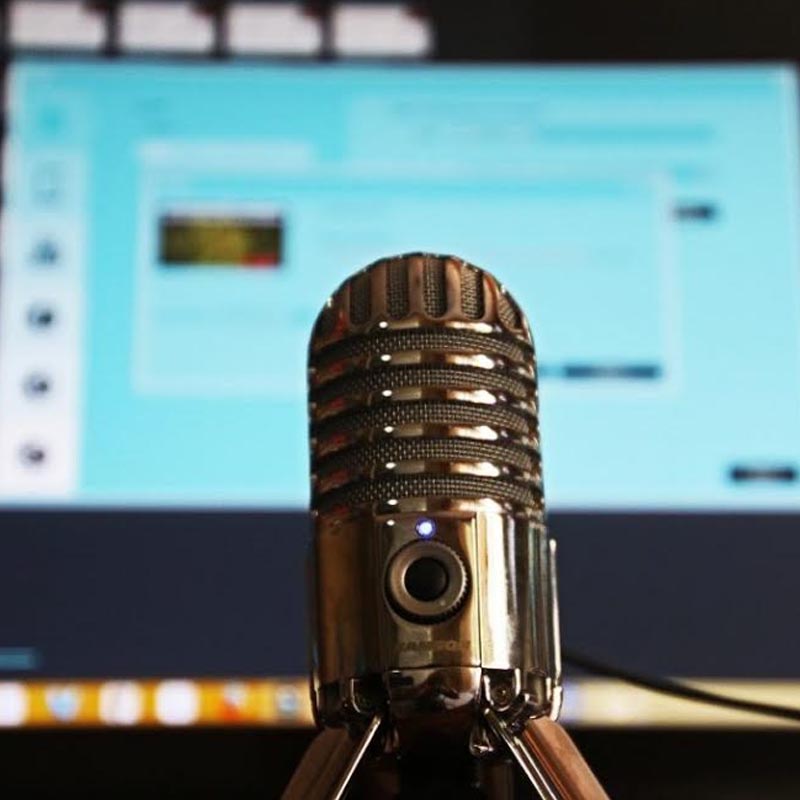
KOLKATA: There are stories to listen to, lessons to learn, advice to follow – podcasts have all sorts of content in store. The plethora of genres, the intrusive experience are among many reasons that have made the audio format fairly popular all across the world, especially with millennials. Though podcasts kicked off the block in the Indian market relatively later, they have nevertheless amassed a loyal following here. India has emerged as the third largest podcast listening market, after the US and China, according to reports.
Podcasts might be relatively novel and known to a fewer number of people here, but the country has a long history of listening to content disseminated through the spoken word. Audio has been widely accepted by the Indian audience as well as brands at large. But are businesses showing interest in the podcast trend? Aawaz.com CEO Sreeraman Thiagarajan believes the medium offers an interesting avenue to reach consumers.
“Every single person loves anything audio whether its podcast, whether its audio stories, audio shows, they are really committed to listening to those,” said Thiagarajan during a panel at Pixels 2021, hosted by IAMAI and moderated by Hubhopper CEO & founder Gautam Raj Anand.
“It may not be as big as video. Podcast definitely appeals to an affectionate audience. It is longer in format and can be curated by the users as per their own choice. You need to think of telling an audio story, creating compelling audio experiences, living your brand into it and not just think of it as ad insertions, not equate it with a display campaign, performance campaign,” he added.
Gaana podcasts & monetisation products VP Vipul Bathwal noted that when music streaming platforms introduce podcasts, there is some sort of captive audience available to leverage the medium. It may not be as large as the user base that turns up solely for music, but there is an overlap that can be leveraged. The role a platform like Gaana has to play, he said, is of taking this format to a larger audience.
Although a small portion of music listeners engage through podcasts but those who do, they engage very deeply, shared Bathwal, basing this nugget off of the trends they have witnessed. Hence, the metric brands should look at advertising via podcast should be more related to a very strong brand recall from the audience which is highly engaged but may not have the same sort of volume as music. It is more about quality of the audience rather than the quantity, he explained.
“If I am an advertiser, my goal is to reach the audience. Most of our targeted campaigns are across formats. Music is bigger than any format. But each format offers some sort of advantages in exposing the brand to a certain set of audience but does the brand care through which format I am reaching? Not till now,” he highlighted.
Opportunity for creators has also increased as podcasts are easier to produce. Hungama senior vice president Soumini Sridhara Paul mentions that good storytelling and authenticity are extremely important for this format. It is also important to build a community and good content library for small podcasters to monetise their content. Moreover, they should look at collaborations as well.
At the initial stage, podcasts are going to need some popular faces to get more attention from consumers as well as to give ideas about what can be created. From a business point of view, and platform point of view, there is a need to have content with popular faces whether that is from Bollywood or other fraternities. While creativity and uniqueness are mandatory, there is no harm in a novelty value, be it face or a name, opined Paul.
While all other online content is gradually marching towards interactivity with the audience, interactive podcasts are still a tough nut to crack, mentioned Thiagarajan. Either there is synchronous communication like Clubhouse or asynchronous communication like podcasts. Anything that comes in between should look at features like polls, Q&A, comments for interactive experience, he suggested. Another way to do this is creating a podcast by getting people to offer ideas on what they want to hear. However, podcast as a content format is meant to be heard uninterruptedly, she emphasised.