MAM
FITPASS makes strategic hires and ambitious expansion plans

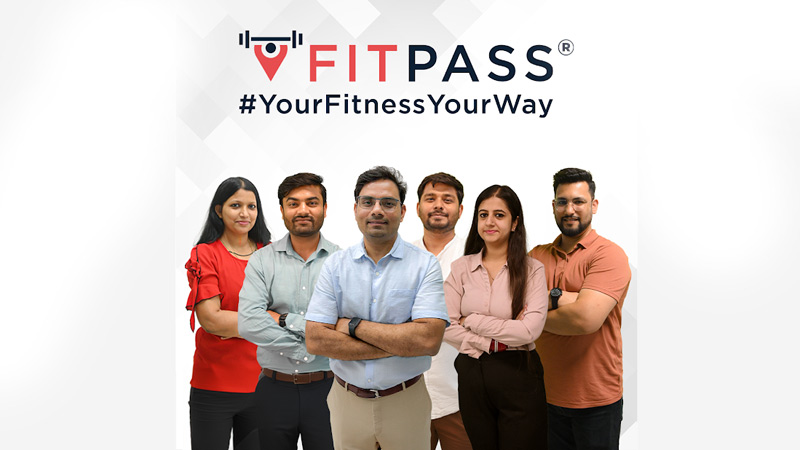
Mumbai: India’s fitness membership brand, FITPASS, is pursuing an aggressive growth strategy to expand its presence in the industry. The company plans to significantly grow its leadership and operations teams, aiming to aggregate and standardize gyms and fitness centers to reach 500 cities across India by mid-2026. This expansion focuses on strengthening its core areas—network expansion, monetisation, sales, and category growth—in response to the rising demand for accessible and affordable fitness solutions. FITPASS aims to reshape the fitness landscape across India by capitalizing on this trend.
Spearheading this ambitious drive is Avnish Sharma, newly appointed vice president of network growth & monetisation. Sharma, a veteran with over 14 years of experience at tech giants Paytm and Practo, will be instrumental in FITPASS’ rapid expansion into tier two and tier three cities. His role is pivotal not only for growth but also for driving profitability and optimising revenue streams across the network of gyms and fitness centres in both new and established markets.
Preeti Singh steps in as AVP of growth and alliance (corporate sales). With over a decade of experience in corporate sales and benefits consulting with renowned organisations like HCL Tech, Squickr, Via.com and more, Singh will report to Mohit Dang, vice president of revenue & partnerships (corporate sales). Together with Dang, she will work on expanding FITPASS’ corporate partnerships and driving significant market penetration.
Complementing the brand’s future vision, they have also onboarded four other experts to propel its aggressive expansion:
. Manish Prajapati, appointed as AVP of network growth and monetisation, brings significant expertise from his tenure at healthcare leaders Apollo and Practo. He will work closely with Sharma to drive brand’s network growth and expansion. His extensive experience in scaling networks within the healthcare sector will be instrumental in driving FITPASS’ expansion efforts, as he possesses a profound understanding of regional dynamics and growth strategies.
. Rishabh Tiwari joins as senior manager of network growth and monetisation under the leadership of Sharma, bringing nine years of industry experience to the table. Tiwari’s expertise in market analysis and strategic planning will be instrumental in identifying high-potential markets and optimising FITPASS’ expansion strategy across diverse geographical regions.
. Savneet Kaur joins as senior sales manager (corporate sales), bringing nine years of experience from industry heavyweights like Cure.fit and ITC Fortune. Kaur will assist Dang and Ms. Singh to accelerate sales growth, playing a key role in FITPASS’ aggressive growth agenda.
. Yusuf Ahmed takes on the role of category manager, leveraging his decade of experience across major fitness brands such as Cure.fit (Cult.fit), Fitline India, Fitness First India, and Gold’s Gym. Ahmed will lead efforts to keep FITPASS at the forefront of industry trends, ensuring that its offerings continue to set new benchmarks.
This expanded team aims to grow FITPASS’ premium gym and fitness centre network to over 10,000 locations by the end of 2025 while broadening the company’s footprint across 1,500-1,600 PIN codes. The focus extends beyond mere expansion, with a clear mandate to drive profitability, optimise revenue streams, and keep FITPASS at the forefront of industry trends.
“Our team’s expansion reflects our unwavering commitment to revolutionising the fitness industry in India,” said FITPASS co-founder Akshay Verma. “The collective expertise of our new leaders will enable us to scale rapidly and effectively, especially as we expand our network into tier 2 and tier 3 cities. Currently, users across 573 cities are already engaging with our platform’s digital offerings- A.I. fitness training module and nutrition consultations, this is a significant milestone, not just for FITPASS, but for a fitter Bharat. We are confident that with their combined strengths, we will continue to deliver exceptional value to our users and partners while leading the industry’s evolution.”
This move comes at a critical time for India’s fitness industry, which is evolving due to increased health and wellness priorities post-pandemic. By enhancing its leadership and focusing on innovation, FITPASS is not just adapting to market trends but shaping the future of fitness in India, especially in tier two and three cities. The company aims to meet the growing demand for flexible fitness solutions, reinforcing its position as a key platform for health-conscious individuals across the country.