MAM
On Earth Day, brands rally around our Blue Planet

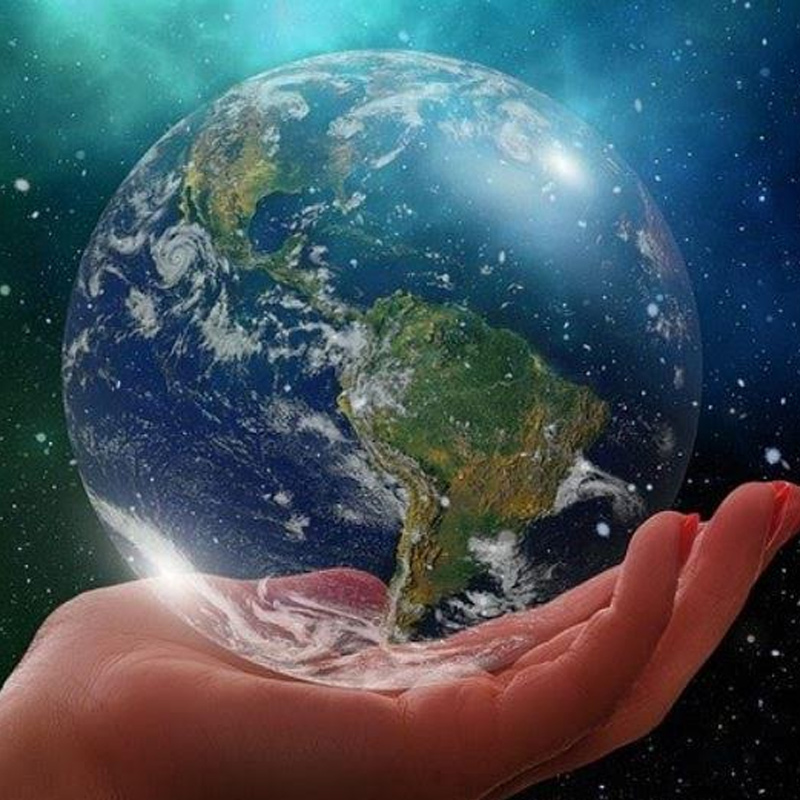
MUMBAI: Every year, 22 April is celebrated as Earth Day all over the world. The practice dates back to 1970, when scores of people took to the streets on this day in protest of the negative impacts of 150 years of industrial development. With the world reeling under a global health crisis, this day is a reminder that everyone can contribute to a better, safer, and consequently healthier planet.
Ahead of World Earth Day, several brands launched campaigns and even new products to demonstrate their support for the environment:
The Google Doodle
Search engine Google on Thursday marked the annual Earth Day through a video doodle on its home page highlighting how everyone can plant the seed to a brighter future—one sapling at a time. The film shows how just one sapling planted by each of us can turn into a forest of trees, even outliving the humans who planted them. The underlying message is: ‘This Earth Day—and everyday—we encourage everyone to find one small act they can do to restore our Earth. It’s bound to take root and blossom into something beautiful.’
MTV says ‘Using Plastic is a Crime’
MTV India launched a new satirical film ahead of World Earth Day 2021 giving out a powerful message that “Using Plastic is a Crime” and people who continue to use plastic carelessly, without any thought, should be treated on par with criminals. The film opens to a setting of a potential crime scene, where a masked killer is all set to choke a man with a plastic sheet. Much to the victim and the killer’s surprise, the police arrive at the scene, leading on to an unexpected discourse by the cop on the evils of using plastic, rather than focusing on the crime itself. It concludes with the masked man pledging never to use plastic so carelessly again.
Godrej #TwoDegreesCooler on global warming
The Godrej Group, through a digital film, urges individuals and industry owners to help slow down climate change, by turning to smart usage of resources. The film titled #TwoDegreesCooler showcases the brand’s commitment to limit global warming to well-below two degrees Celsius by 2050 and help India keep her part of the Paris agreement. Whether we can succeed in this mission or not, depends on each one of us, the film says. It ends by reminding us that ‘it’s all we need to restore our Earth’.
Animal Planet bats for all animals
On Earth Day, Animal Planet lived up to its name and reached out to all pet lovers on behalf of the wild animals inhabiting our planet, through a series of telling posts on its Instagram handle. The message it strove to spread via this digital campaign, featuring different species of wild birds and animals in their natural habitats, being : Just like our pets, they too deserve our unconditional love. And we can do so by protecting their home. They may not be our pets, but they’re just as precious. And if we don’t take care of the Earth, then we’re not taking care of them. Let’s act towards saving the planet and all its wonders, together.
Discovery India
Discovery India too shared a poignant digital campaign to mark Earth day, with some moving posts revolving around the trees and marine life of our planet. It posts said:
“When trees are cut, it affects all species. Deforestation contributes to climate change and threatens life on earth. This #EarthDay let’s support more sustainably produced products and pledge to protect our friends, the trees.” And “If the disposal of plastic materials & packaging into our oceans continues, it is estimated that by the year 2050 there will be more plastic in the oceans than there are fish (by weight). This #EarthDay let’s rethink plastic disposal & support effective methods of recycling plastic.”
L’Oréal for the Future, because our Planet is Worth it
Global cosmetics giant L’Oréal Paris has unveiled a new sustainability program, ‘L’Oréal for the Future, because our Planet is Worth it’, on the occasion of World Earth Day. The beauty brand pledged to reduce its carbon footprint by 50 per cent by year 2030. Among the key goals set by the brand include its aim to use 100 per cent recycled plastic, 100 per cent sustainable cardboard and operate 100 per cent carbon neutral factories by 2030. The beauty brand has also announced its decision to contribute €10 million to environmental projects around the world.
Reebok launches sustainable eco-friendly shoe:
Sports brand Reebok’s Floatride Energy GROW is a plant-based running shoe for high-performance. It combines the award-winning Forever Floatride Energy model with the commitment and responsibility to protect the environment and strives to create a fitter planet.
In a bid to up its sustainability efforts, Reebok is focusing on creating products using recycled or repurposed materials. The global sportswear brand is committed to reducing virgin polyester from its material mix and eliminating it altogether by 2024.

Wildermart, an online grocery store that aims to be a truly sustainable model, opened its doors in India on Earth Day with a hard-hitting digital launch campaign to raise awareness about the current state of our planet, the impact of clean consumption and what we can do to be a part of the solution with the click of a button. Calling itself ‘your clean grocery store’ it claims to offer a conscious solution to help everyday consumption be clean, green and earth-friendly. Launched in Bangalore, with an offering of over 1,000+ products across 30+ categories the brand aims to take this sustainable model to conscious consumers across the country within the next 3 years. In a show of support, animal rights activist and environmentalist Maneka Sanjay Gandhi made the first purchase on the portal today.

Bombay Shaving Company on the environmental cost of disposable razors
Personal care brand for men & women Bombay Shaving Co released a short, factual video on its social media platforms to encourage “shaving responsibly”.
The video talks about some hard hitting facts regarding disposable plastic razors prevalent in the personal care industry like: “Did you know, that over 2 billion disposable razors are produced in the world and almost 200 million razors are bought and disposed of every year. A normal disposable razor is made completely out of plastic.” It wraps up with the message: “It poses a health hazard for animals, marine life, and even safety workers.”
The solution? Switch to metal. The brand declares that their precision safety razor is recycle-ready, reduces plastic waste, and gives you a much better shaving experience, without hurting the environment.






