MAM
Cricket claimed 87 per cent share of sports sponsorship in 2020: GroupM

Mumbai: With the Indian Premier League (IPL) leading the charge, cricket contributed Rs 5,133 crores ($694 million) to the total sports sponsorship in India in 2020, which works out to a mammoth share of 87 per cent, according to GroupM ESP Sporting Nation Report 2021 released on Monday.
Other sports cumulatively contributed Rs 761 crores ($ 103 million), which roughly accounts for 13 per cent of the total share. The report pegged the size of the Indian sports industry in 2020 at Rs 5,894 Crores, which includes sponsorship spends, celebrity endorsement and media spends on sports properties.
Media spends on sports

The biggest share is occupied by media, where advertisement spends on TV, digital and print media contributed to Rs 3,657 crores, which accounts for 62 per cent of the total spends. Sponsorship spends included on-ground sponsorships, team sponsorships, and franchise fee grabbed up 28 per cent of the industry pie, which translates to Rs 1,673 Crores.
An interesting shift that gained momentum in 2020 was athlete endorsements which grew five per cent over 2019, against the run of play in a year ravaged by the pandemic. Out of the total 377 endorsement deals that happened in 2020, as many as 275 involved cricket players.
The year 2020 also saw female athletes pulling in brands. “The continued success of these stars is proof of the fact that our champions are loved, and we are proud of them. As the sporting nations wait eagerly in anticipation, the stocks are highly in favour of endorsements from our athletes,” the report stated.
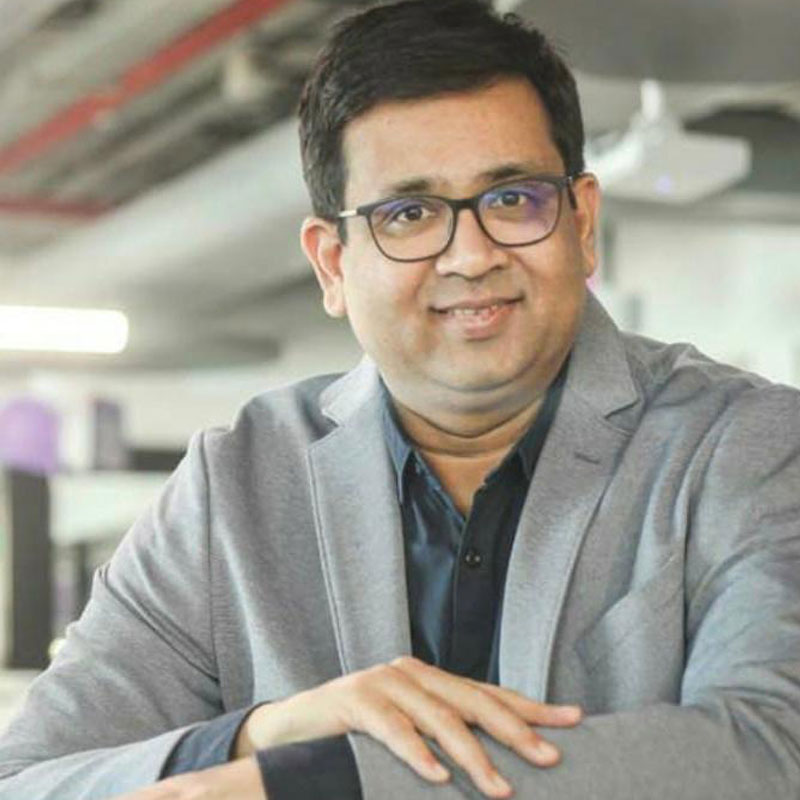
Group M South Asia CEO Prasanth Kumar said, “Even without any activities, our sports heroes stayed close to us during the pandemic by actively engaging with their followers on social media. The spontaneity of this online content flow demonstrates the power of sports in our country. Speedy responses and improvisations are on the go where the situation demanded. Among the many things the Covid2019 situation taught us, marketers were the need to be adaptable as the tide turns fast around us.”
The boom in e-sports in 2020
The lockdown had also catalysed the growth in certain sectors. The absence of live sports along with a sub-optimal supply of fresh OTT content led to the shift towards gaming. The month of April 2020 saw an 11 per cent increase in users per week along with a significant jump in average time spent per gamer. This led to a sudden boom in e-sports in 2020, with communities getting built and multiplayer activities gaining ground. Over the last three years, there has been a doubling in the gamer base as well as viewership numbers in the time, the report stated.
Sports: A success story in 2020
Despite the Covid2019 threat and multiple risks, the 13th edition of the IPL got underway in UAE in September 2020. The success of the IPL was a great demonstration of the qualities of brinkmanship and improvisation and was able to lift the spirits of the nation battered by the pandemic, highlighted the report.
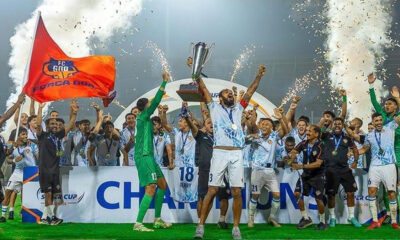
In November 2020, the Indian Super League (ISL) kicked off in three venues in Goa with strict protocols and adherence to bio-bubble considerations. This was the first major sports event to be held in India after the pandemic and according to the report, it gave ample demonstration of the country’s ability to pull off an event of this magnitude under such circumstances.
GroupM South Asia head – sports Vinit Karnik said it was commendable how the sporting ecosystem reacted to the crisis in 2020 and returned sooner than expected.
“Many sports properties were either canceled or postponed and even sponsorship and media spends were impacted. Even in the face of an adverse context, the stakeholders came together to provide the spark the industry needed. The IPL and ISL are an exemplary demonstration of India’s preparedness to host major sporting events under such taxing circumstances,” he added.
Karnik went on to say he was hopeful of an increase in demand for subscription viewing in live sports in 2021, with many sporting events lined up in the next few months. “2020 looks like that proverbial backward step we take before a giant leap, like the one we are expected to take in 2021, as part of the making of the sporting nation,” he concluded.