MAM
How men’s grooming brands took off during the pandemic

Mumbai: ‘Mooche Ho Toh Nathulal Jaise, Warna Na Ho’ was a popular dialogue by Big B from a Bollywood movie from the 80’s, where the actor goes on to praise Nathulal’s bushy moustache, in contrast to his own clean-shaven ‘saaf maidaan’ (clear field). Well, if Nathulal were around today, he would definitely be delighted at the plethora of grooming choices to pamper himself with!
Last few years have seen the male personal care and grooming industry grow with products from Mooch and beard growth oil, serum, crème, and wash. Gone are the days when only a few shaving products of brands like P&G’s Old Spice or Gillette catered to men’s grooming needs. Today, urbanisation, the rise of the ‘Metrosexual’ male, and the awareness to look presentable and well-groomed have paved the way for an increase in demand and variety of men’s personal care products.
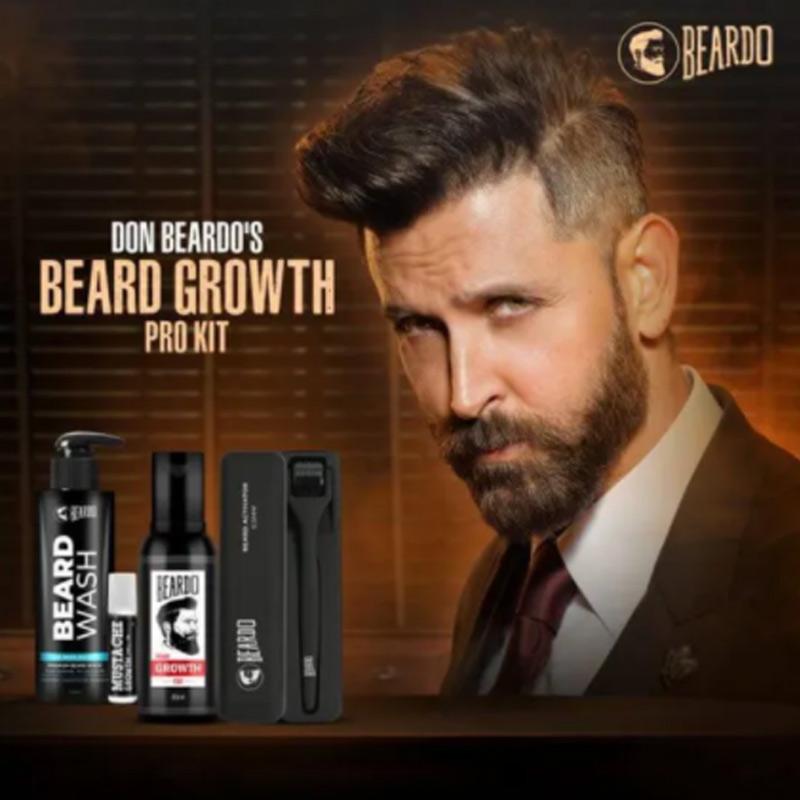
Brands like The Man company, Ustra, Whiskers, Bombay Shaving Company, Beardo, Nykaa Man and many more offer men holistic skincare and personal hygiene solutions including scrub, moisturiser, masks, bodywash, serums and a carefully curated hair care range. There’s even Tattoo Aftercare products!
The beauty industry is aggressively targeting men with advanced products and treatments designed just for them. These brands are offering a tough fight to the traditional players who will now need to go beyond offering just shaving solutions.
“The men’s beauty segment is growing beyond fragrance, shave and beard care. There are so many brands that are creating products which are relevant to men. As an influential brand, Whiskers takes its responsibility very seriously. Striving to elevate the grooming sector in India, we have charted out a plan to guide the consumers through educational live streams about skincare, hair care and the art of grooming to enhance customer satisfaction.” Whiskers co-founder, Aakash Goswami told IndianTelevision.
According to Research and Markets, the Indian male grooming market stood at $643 million in 2018 and is projected to grow at a CAGR of over 11 percent to cross $1.2 billion by 2024.
As the pandemic and subsequent restrictions on movement confined us to our homes, DIY (do it yourself) haircut and personal-grooming became a necessity and a trend. Products such as razors, trimmers, and epilators saw an upsurge in demand. Majority of consumers now prefer home grooming than visiting salons and spas.
Says Dentsu Impact’s vice president & head of Digital, Binodan KD Sharma, “The statistics predicted by Industry bodies like ASSOCHAM is a 45 per cent CAGR to reach around a 35,000 crore market by the end of 2021. This is not unfounded as male grooming has become an important phenomenon among urban consumers and now the effect is slowly rolling over to Tier 2 and 3 towns where the aspiration and ambition of the TG have catapulted with the growth of mobility and internet.”
Talking about how most of these brands try to reach their consumers, Binodan says, “The niche and urban players heavily focus on digital with a wide spread of content published across social, YouTube, influencer engagement and focusing on e-com strategy. The mass players continue to use print and television with digital mostly limited to YouTube and OTT platforms. Ustraa is an interesting case study, which has built its brand equity mostly by leveraging Instagram. In the coming months with digital being embraced more vociferously, more mass players will also choose the medium to focus on some of their products.”
According to the founder and CEO of the Bombay Shaving Company, Shantanu Deshpande, e-commerce has been one of the most important growth drivers. “Covid-19 has helped us to accelerate innovation in technology, product, and brand. Digital adoption by consumers is at an all-time high. We have been on a growth path since then and have grown 150% over the pre-covid level on our monthly run rate”, he told ET.
OPEN Strategy & Design’s Amit Sharma believes the next ten years will be decisive for any brand in the sector. “The next ten years will depend on the new generation that gets recruited into this category. Marketers will need to be sharp on codifying the notions of masculinity, grooming, self-expression and identity that this young demographic is getting influenced by. If their popular culture consumption, which includes K-Pop, Instagram influencers, new age fitness role models, is anything to go by, this category is going to get very interesting,” he said.
Digital marketing agency Natter COO Avinash Joshi feels that it is imperative for these players to rope in big-ticket stars to cut across the audiences, “because grooming as a category has always seen role models. It was Vinod Khanna, Amitabh Bachchan in the yesteryears, and today we have Virat Kohli, Shahid Kapoor, Ayushman Khurana, Hrithik Roshan, and many others.”
In the latest ad from men’s skincare brand, Uncle Tony India conceptualised by United We Productions LLP, the brand has positioned itself as the go-to “for men who don’t care about skincare”. It hilariously captures what it would be like to introduce grooming products to cavemen!
Clearly, brands are keeping their eyes on trends to cater to the requirements of Indian men by designing disruptive products. We are finally seeing men’s grooming coming of age and stepping out of the shadows of the women’s grooming category.