MAM
Nestle internal report damns 60 per cent of its own food portfolio

Mumbai: Global food major Nestle promises – Good food, good life. But is the parent company of household names like Maggi, Milkmaid, Kitkat, Nescafé, Nestea iced tea et al true to its word? An internal document leak from the firm revealed that more than 60 per cent of its food portfolio does not meet health standards.
An internal presentation circulated among top executives of Nestle earlier this year revealed that more than 60 percent of Nestle’s mainstream food and drinks portfolio did not meet the recognised definition of health, Financial Times has reported. This excludes products like pet food, baby food and specialised medical nutrition.
The report also mentions that 96 per cent of its beverages excluding pure coffee, and as much as 99 per cent of its confectionery and ice cream portfolio also failed to meet the mark.
The company has acknowledged that only 37 per cent of Nestle’s food and beverage products had a rating of over 3.5 out of 5, as per Australia’s health star rating system.
The most damning part in the report, however, is that the processed foods giant admits that some of its products will never be healthy, no matter how much it renovates.
In response, Nestlé issued a statement to say it is “working on a company-wide project to update its pioneering nutrition and health strategy”. It further said: “We are looking at our entire portfolio across the different phases of people’s lives to ensure our products are helping meet their nutritional needs and supporting a balanced diet.”
In its defence, the world’s largest food maker said that efforts were ongoing over decades to improve the nutritional footprint of its products, stating, “For example, we have reduced the sugars and sodium in our products significantly in the past two decades, about 14-15 per cent in the past seven years alone.” According to the FT, Nestle plans to unveil a new strategy this year.
Processed foods were never considered healthy to begin with, but in light of these revelations, there is now a renewed scrutiny on these products.
In today’s times when healthy living is the key buzzword and the biggest selling point globally, the last thing a food company would want is to be labelled as unhealthy!
On its part, Nestle India issued a statement stating: “Nestle India believes that nutrition is a fundamental need and the food industry has a vital role to play in enabling healthier lives. Driven by our purpose, we are constantly striving to increase the nutrient profile of our products as well as innovate with new and nutritious offerings”.
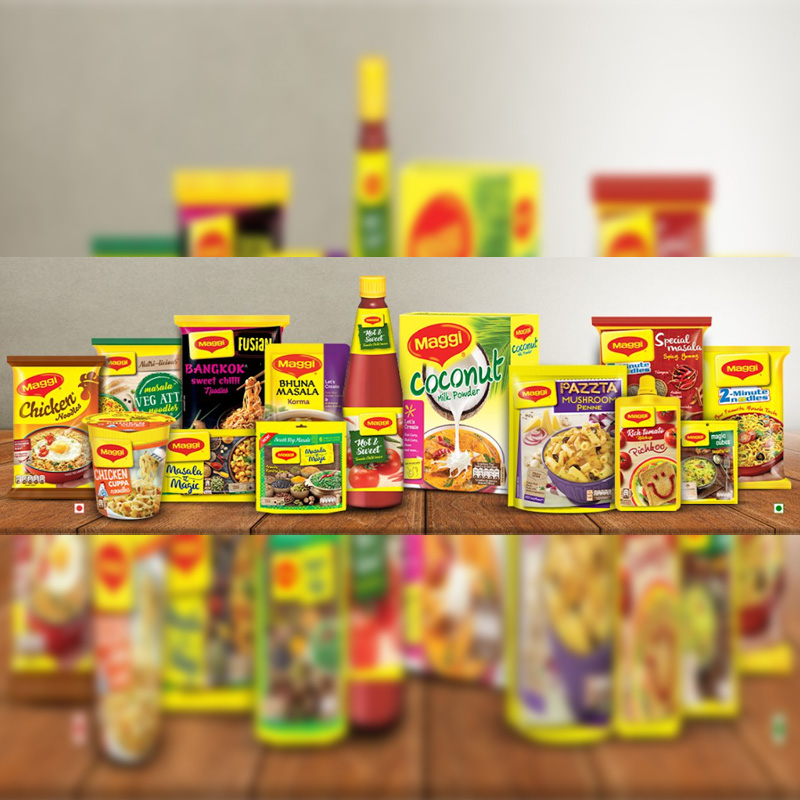
As far as Nestle India’s portfolio is concerned, it is somewhat different from its parent company with only nine out of Nestle’s 35 billionaire brands having a presence in India. Hence the news may not have much of an impact here.
Certainly not as much as the Maggi crisis, which the brand tided over, and that had literally threatened its very existence in the country back in 2015. Maggi Noodles, which contributed over 25 per cent of the company’s revenue in India, was accused of having lead content beyond permissible levels.
Despite the bad news reports it generated for the popular snack brand, with its reputation taking a huge cut, it has bounced right back regaining its market share in the country.
Even while most people are well aware that instant noodles and processed foods are unhealthy, they continue to consume them. Maggi may be the best example but it’s far from being the only one. The whole consumer packaged foods industry needs to take a good hard look at itself, if it wishes to remain relevant in a woke world, with consumers becoming increasingly health-conscious.
Whether this latest controversy around one of the world’s largest food and beverage companies will have any impact or effect any long-term changes in the packaged foods industry remains to be seen.