iWorld
ShemarooMe taps into OTT boom with movies and regional content

Mumbai: ‘Warning: Graphic Content’ – because the mind is inclined to do exactly what it’s warned against, and a picture so captioned is sure to attract the viewers’ attention.
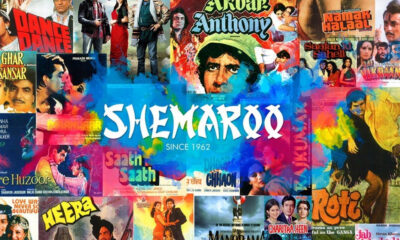
ShemarooMe’s recent social media campaign recreated iconic scenes from the movies and ‘graphically’ used the lens of charts and reports to come up with quirky infographics making people smile. Behind the campaign’s minimalistic execution was a deeper insight that stems from Shemaroo’s over five decades of experience and expertise in dealing with content. It also forms the basis of the Company’s content strategy which has crafted the unique ‘movies-devotional-regional’ proposition for the brand in the Hindi web series-dominated Indian OTT space.
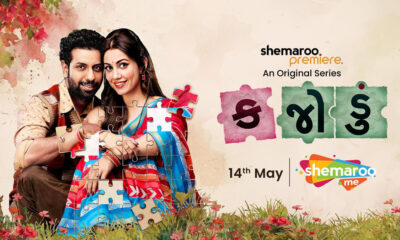
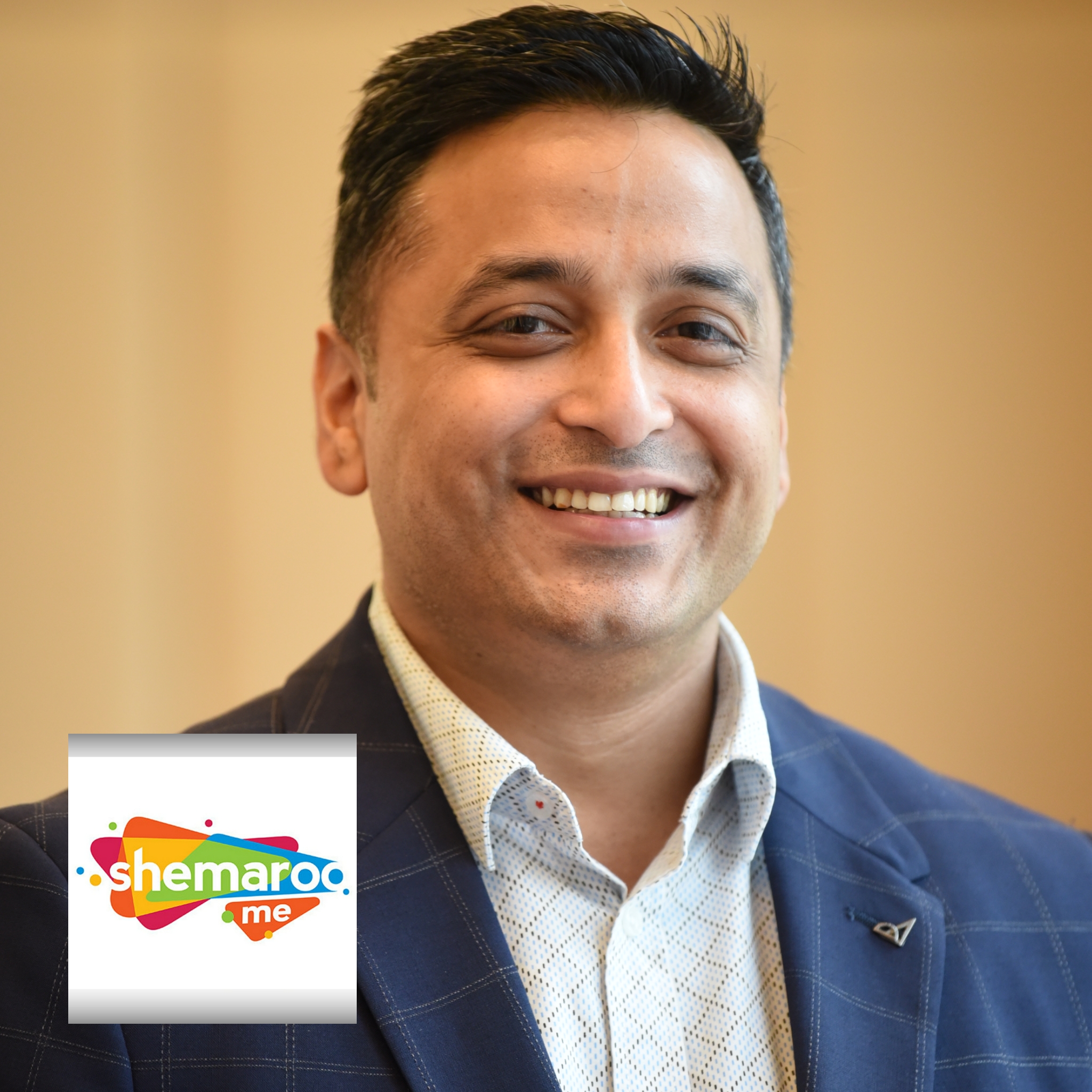
Shemaroo Entertainment’s head of marketing, Rahul Mishra tells us that close to 60 per cent of the content on ShemarooMe, which is the OTT platform of the content powerhouse- is movies, with the rest being dominated by devotional and regional (Gujarati). In fact, the brand’s foray into Originals began with Gujarati web series in April this year. Coming back to the movies, Mishra reiterates that it will continue to be the mainstay for ShemarooMe.
“We believe that there is a huge OTT opportunity in India where the audience is seeking different forms of content. However, a large number of them want content that is familiar in terms of the format and presentation. That’s why movies and Bollywood continue to be relevant, and that’s also where our strength lies,” he says.
The Content Conundrum and Nostalgia Economy
Mishra shares that dealing with content over decades has given Shemaroo the understanding that while new formats are instantly picked up for consumption, their popularity wanes after a certain time period. On the other hand, the consumption of an established piece of content that is known to the audience not only stays steady but increases consistently. He cites the example of Shemaroo’s YouTube channel, ‘Shemaroo Filmy Gaane’ to support his stance. With a following of 54.8 mn, the retro music station is among the most subscribed channels.
The ‘Warning: Graphic Content’ campaign is one of the many such efforts by the brand to familiarise the youth with stories and characters that are timeless. Mishra points out that “the familiarity of content and affinity to a particular content piece keeps bringing the viewers back to it again and again, and this has led to the creation of the self-driving/sustaining ‘Nostalgia Economy’.
Building on its huge library of classics as the foundation, ShemarooMe has been bringing in innovative approaches to further the OTT ecosystem ever since its launch in 2019. With regard to films, the brand introduced a TVOD service called ‘ShemarooMe Box Office’ during the lockdown wherein it replicated the theatrical model by bringing in movies every Friday. These included small-budget titles such as ‘My Client’s Wife’, The Least of These’ and ‘X Zone’ that were struggling for a release on account of theatres remaining closed. ShemarooMe also collaborated with the online ticket booking website BookMyShow for this initiative. While the model was born out of necessity, nearly ten films were released under it.
Meanwhile, ShemarooMe came up with a more robust offering, ‘Bollywood Premiere’ which involved world digital premieres of movies coming straight out of the theatres, either after running their due course or prematurely, but not exposed to the audience on any other medium including television. These included the likes of ‘Amma ki Boli’, ‘One Day Justice’, ‘Paharganj’, and ‘Door ke Darshan’. Mishra proudly declares that his team has successfully managed to keep ‘Bollywood Premiere’ running for 100 weeks uninterrupted in these unprecedented times when content production has become a big challenge.
The regional-first approach to Originals
ShemarooMe’s Originals journey began in April this year, with its first regional expansion happening in Gujarat. Being in the Gujarati content acquisition business for over a decade, the Company has established itself among the leaders in the space. Although, it hasn’t dabbled in Hindi originals yet.
According to Mishra, “the two significant features of the Gujarat market are its major overlap with Hindi and the underdeveloped content ecosystem. This translates into a huge opportunity for us. Our mission in this market is a fairly large one; we want to grow the industry by making Gujaratis fall in love with Gujarati entertainment once again.”
ShemarooMe has been aggressively pushing the brand in the state, with one of its brand ambassadors in the market being Gujarati film and theatre artist Malhar Thakar. The app was launched with a direct-to-digital release ‘Swagatam’ which featured Thakar. Ever since ShemarooMe has kept up with the promise of bringing a fresh piece of content every week across formats and genres. The three pillars of the platform’s content strategy for Gujarat include movies (direct-to-digital or digital premieres), original web series, and ‘nataks’ (plays).
Commenting on the significance of ‘nataks’ in the market, Mishra informs that plays have traditionally been part of the family viewing experience for a Gujarati household on weekends. “In the big cities like Ahmedabad, Surat, and Vadodara, and also in Mumbai which has a fairly large Gujarati population, there are auditoriums dedicated to running ticketed Gujarati plays. This is an inherent part of Gujarati culture. While some of these plays are based on authored content, most are slice-of-life with a strong element of humour which resonates with the Gujaratis who are known for their funny side,” he remarks.
Shemaroo has been in the business of filming Gujarati plays and making them accessible for people to watch on their preferred medium – TV, YouTube, and now OTT. Currently, there are over 250 plays on ShemarooMe, and more shoots are being commissioned constantly.
On the business side of things, ShemarooMe has largely been a subscription-driven service so far. Even as the relevance of branded content grows, it has no plans of exploring the advertising model yet. “Given the affluence of Gujarat, many national and regional brands want to associate with us for branded solutions,” asserts Mishra. He is confident that even with the foray into original productions the strategy will work for them in the near-to-mid-term future.