Ad Campaigns
vivo India urges parents to #SwitchOff, and connect with kids

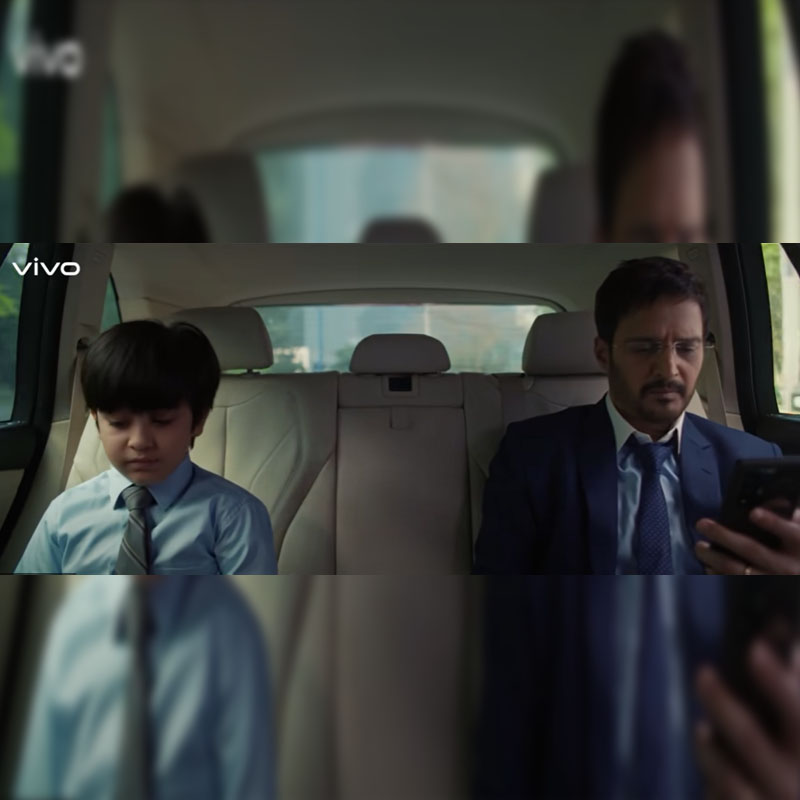
Mumbai: Smartphones have become an integral part of our day-to-day lives. But, the excessive use of smartphones post-pandemic has also impacted human relationships. It is this thought that inspires vivo’s new ad film.
The global smartphone brand has launched the third edition of the #SwitchOff campaign with a thought-provoking film that showcases how parents are missing out on being fully present in their children’s lives.
Conceptualised by Lowe Lintas, the film has a heart-warming storyline that showcases a father-son relationship before the smartphone became indispensable. The character of the father, in the end, realises the need to disconnect and recapture the relationship he shared with his son.
Lowe Lintas regional creative officer Amar Singh said, “Children are very quick to pick up on the signals we send out. And a child’s mind is a very fertile place. This film conceptualiSed by Rajat, Vishal, Stuti, and Kushal, explores what may be going through a child’s mind as he sees his parents obsessing with their phone. What inferences his little mind might draw? And how it’s imperative for adults to find it within themselves, to stop.”
The campaign is founded on the observation from vivo-CyberMedia Research (CMR) study ‘Impact of Smartphones on Human Relationships 2021’ that underlines that 74 per cent of parents say that their excessive usage of smartphones has hurt their relationship with their children. The study focuses on the relationship dynamics of parents and children with respect to the omnipresence of smartphones in families.
vivo India director brand strategy Yogendra Sriramula said, “The pandemic has made digital technology and smartphone devices an indispensable need for all of us. But, this excessive usage of these devices is also impacting the young and naïve minds around us. We might be around our children, but the quality of the time spent with them is something that we don’t pay much attention to. Hence, this year, we thought of focusing on driving awareness and realisation of excessive smartphone usage by adults that is impacting their relationship with their kids. We believe the film delivers an eye-opening and thought-provoking message to all of us.”
The smartphone brand recently announced the findings of the third edition of the study titled ‘Impact of Smartphones on Human Relationships 2021’, which showcases the impact of smartphones on users and their effect on relationships. The study highlights that while the time that is spent with kids and family, in general, has gone up, the quality of time spent has deteriorated.