Brands
How coffee brands can engage the experience-seeking youth


In the late 1990s, economist Joseph Pine II introduced the concept of the ‘experience economy’. In his book of the same name, Pine argued that businesses should focus on creating memorable experiences for their customers as a means to differentiate themselves from competitors. Today, this notion is more relevant than ever, especially as younger consumers, such as millennials and Gen Z, place a high value on experiences over mere products. For coffee brands looking to capture the attention of this experience-driven generation, it’s essential to provide more than just a cup of coffee, brands must create immersive, memorable experiences.
The shift towards experience-driven consumption
Coffee, once viewed as a simple beverage, has transformed into a cultural experience, particularly among younger consumers. This shift is evident in the rising popularity of speciality coffee shops, where the experience goes far beyond taste. Consumers are increasingly gravitating toward cafés that offer unique atmospheres, community spaces, and an opportunity to engage with coffee in innovative ways.

The younger generation seeks more than convenience—they crave novelty and personalisation in their daily rituals. Whether it’s experimenting with different brewing techniques at home or exploring new flavours and formats at trendy cafés, the focus is on elevating coffee into an experience that aligns with their identity and lifestyle. This represents a tremendous opportunity for coffee brands to engage with their target audience. To capture this audience, coffee brands must go beyond product-centric marketing and embrace experiential marketing across the entire value chain – from communication to product and even the buying experience.
Communication: Purposeful & interactive
Young consumers resonate with purposeful brands rather than purely transactional ones. This generation, which lives and breathes digital media, responds better to short, engaging, and quirky content. Gone are the days when long-format product ads alone could win their attention. Instead, coffee brands should explore creative, multidimensional communication strategies that invite two-way interaction.
Youth engagement thrives on purposeful content that connects with their values, whether through sustainability efforts, community building, or other causes. Moment marketing, gamified content, and interactive contests further foster engagement, offering opportunities for coffee brands to stand out by being more than just a product – but a part of a lifestyle.
For instance, gamification in campaigns or tech-driven interactions, like virtual brewing classes or digital barista competitions, could foster excitement and create a deeper emotional connection with the brand. Ultimately, brands must recognise that communication with young consumers is no longer one-way; it should be an ongoing conversation that sparks curiosity and encourages involvement.
Usage experience: Offering indulgence & differentiation
Youth today gravitate toward experiences that offer indulgence and differentiation, and coffee is no exception. With a growing interest in speciality coffee, microbreweries, and new-age coffee shops, young consumers are increasingly exploring sophisticated brewing techniques and premium coffee formats.
This shift in consumption is evident in the rise of home-brewing enthusiasts who are opting for coffee machines, artisanal roasts, and even coffee pods and pour-over setups. Indian youth are embracing the same consumption patterns seen in developed markets, where coffee is more than just a beverage – it’s a craft.
To cater to this evolving palate, coffee brands should prioritise creating products that offer a richer, more indulgent experience. Whether through innovative packaging, product diversification, or even home-brewing solutions, the focus should be on offering an experience that transcends the typical instant coffee. Brands that successfully deliver this will not only capture the attention of the youth but also foster long-term loyalty.
Buying experience: Informative & immersive
The experiential journey doesn’t end with the product itself – the purchasing experience plays a pivotal role in shaping the overall perception of the brand. The youth, driven by curiosity, want to understand the story behind what they buy. They seek out detailed, informative content that helps them make more informed decisions.
E-commerce platforms allow brands to engage this audience through richer, more detailed listings, immersive A-plus content, and personalised recommendations. Unlike traditional retail, where engagement is often limited to packaging or in-store displays, online shopping offers a more immersive and informative experience. Brands should leverage this by developing content that educates and informs young consumers about their product choices, be it the origin of the beans, brewing methods, or the sustainability practices employed.
By offering an informative and immersive buying experience, coffee brands can elevate their connection with young consumers, who value transparency and knowledge in their purchasing decisions.
This article has been authored by Continental Coffee Ltd CMO Raja Chakraborty.



Brands
Godrej clarifies ‘GI’ identifier after logo similarity debate
Says GI is not a logo, will not replace Godrej signature across products.
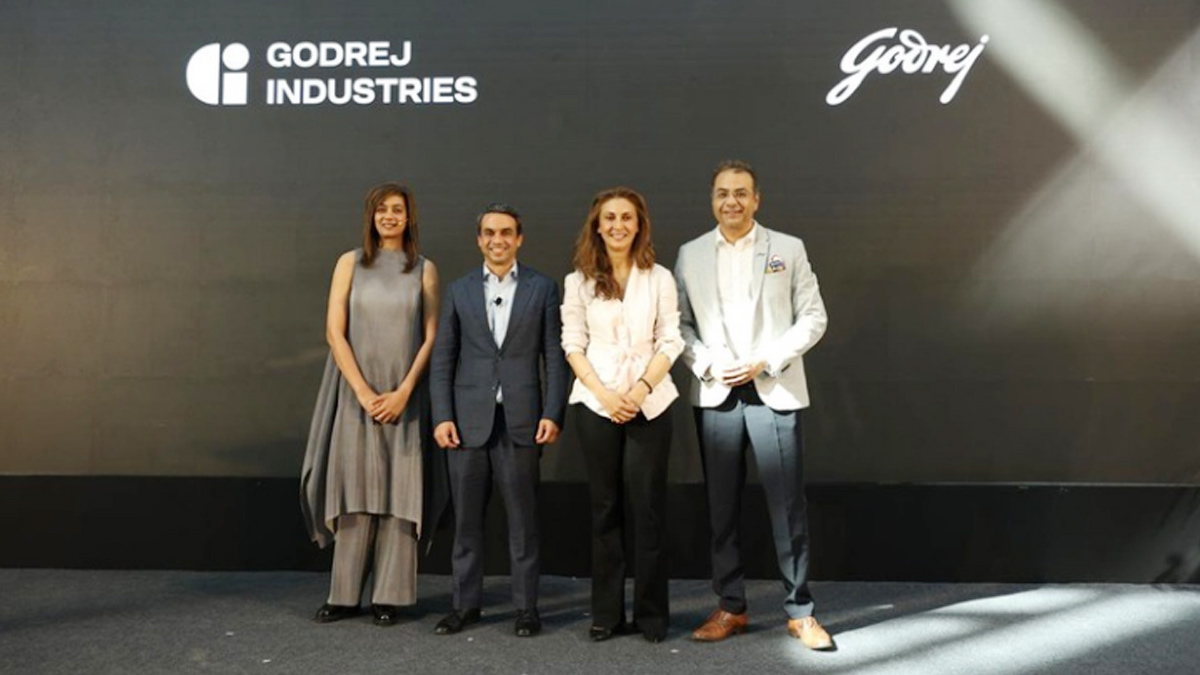
MUMBAI: In a branding storm where shapes did the talking, Godrej is now spelling things out. Godrej Industries Group (GIG) has issued a clarification on its newly introduced ‘GI’ identifier, addressing questions around its purpose and design following a wave of online criticism. At the centre of the debate were two concerns: whether the new mark replaces the long-standing Godrej logo, and whether its geometric design mirrors other corporate identities.
The company has drawn a clear line. The Godrej signature logo, it said, remains unchanged and continues to be the sole logo across all consumer-facing products and services. The ‘GI’ mark, by contrast, is not a logo but a corporate group identifier intended for use alongside the Godrej signature or company name, and aimed at stakeholders such as investors, media and talent rather than consumers.
The need for such a distinction stems from the 2024 restructuring of the broader Godrej Group into two separate business entities. With both continuing to operate under the same Godrej name and signature, the identifier is positioned as a way to differentiate the Godrej Industries Group at a corporate level.
The rollout, however, triggered a broader conversation on design originality. Critics pointed to similarities between the GI mark’s geometric composition and logos used by companies globally, raising questions about distinctiveness.
Responding to this, GIG said its intellectual property and legal review found that such overlaps are common in minimalist, geometry-led design systems. Basic forms such as circles and rectangles appear across dozens of brand identities worldwide, the company noted.
It added that the identifier emerged from an extensive design process and was chosen for its simplicity, allowing it to sit alongside the Godrej signature without competing visually. While acknowledging that elemental shapes may appear less distinctive in isolation, the group emphasised that the mark is part of a broader identity system that includes a custom typeface, sonic branding and other proprietary elements.
Following legal and ethical assessments, the company said it found no impediment to using the identifier, reiterating that the GI mark is a corporate tool not a consumer-facing symbol.
In short, the logo isn’t changing but the conversation around it certainly has.