MAM
Kenya Safari Packages from India – How to Plan the Best Trip

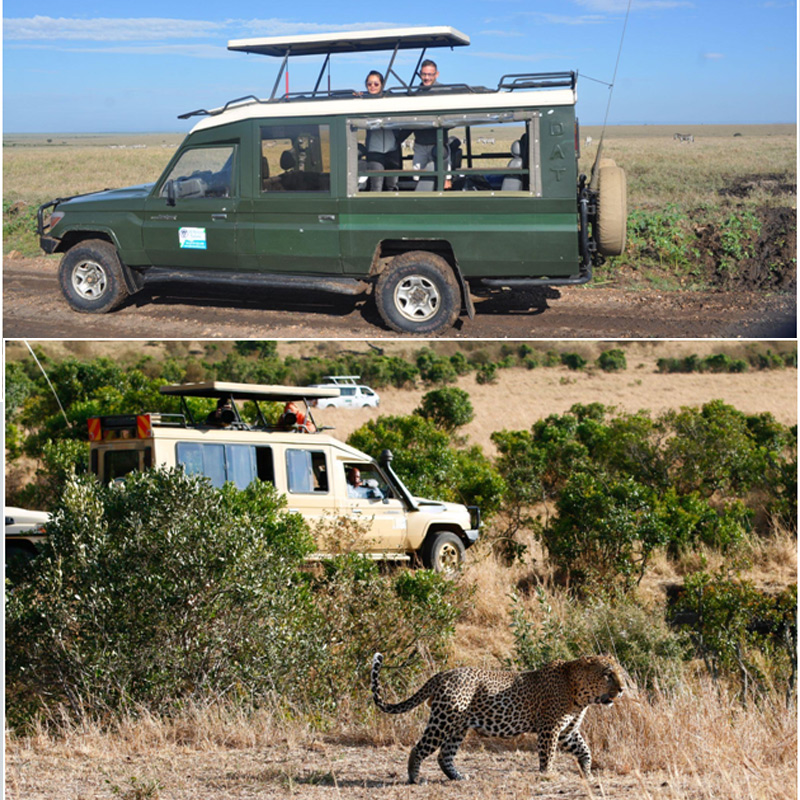
From visa application to vaccination-when to travel- places to visit, and for how long – here is a perfect guide on how to plan the best Kenya safari packages from India. Kenya is one of the few countries in Africa that boast all sorts of tourist attractions. From wildlife-rich savannahs to gushing waterfalls to peaceful woodlands and pristine beaches, you never get enough of Kenya’s tourist destinations.
Planning a successful trip to Kenya from India may be a daunting task. In this article, experts from masaimarasafari.in have put together the following information to assist you in planning. Also, we‘ve highlighted a few of the most sought destinations in Kenya.
Passport and Travel Visa for Kenya
All visitors who want to travel to Kenya from India should be in possession of a valid passport with an expiry window of six months after the end of their intended stay in Kenya.
Next is VISA! There are three ways in which you can obtain a Kenya travel visa. The first and most convenient method is an online application that gives you an e-Visa. This mode of application saves not only money but also time and the energy you could have used traveling to the embassy.
You can apply for an e-Visa using your phone, laptop, PC, or any other device.
Secondly, you can obtain an application from the Kenyan Embassy or High Commission and wait for a few days for processing.
The third option involves a quick and straightforward procedure where you make an application upon arrival at any international airport. A single-entry visa costs US$50, a multiple-entry visa US$100, and transit costs US$20, valid for three months.
Health and Vaccination
Kenya falls within the yellow fever zones, and therefore it is mandatory to have the yellow fever vaccine to travel to Kenya. So, this certificate will be required upon arrival by the airport authorities.
Nowadays, the yellow fever vaccine lasts a lifetime, contrary to previous years when it could only last for ten years. Therefore, you only need to produce your previous vaccine booklet if you had previously received the jab.
Also, for personal safety, it is advisable that you take malaria preventive medication since some parts of Kenya, such as the coastal region and some game reserves, are Malaria infested zones.
When To Travel
Kenya’s climate varies considerably from one region to the other. This is mainly dictated by the altitude, seasonal monsoon wind, and proximity to water bodies. However, the general consensus about Kenya is that there are two seasons, dry and wet seasons.
In most cases, Kenya Vacation packages from India are scheduled during the dry season, which falls between December-January and July-October. Typically, these are the best months to view the wildlife in their natural habitat. For instance, the wildebeest migration starts in late June, reaches Masai mara in July, and remains in mara until October.
Nonetheless, the wet season has its perks though. Wet seasons mean an abundance of flora, low prices, and uncrowded national parks.
For How Long
There is a lot to do in Kenya; from wildlife viewing in the national park to interacting with the Maasai community to basking in the sandy beaches and hiking at Mt Kenya, there are so many sightseeing destinations that you cannot cover all in a single visit.
The question of how long to spend on your vacation is dependent on the number of tourist destinations you want to visit, time to spend on each, budget, and time available.
However, most Kenya tour packages from India run for either 3 days, 5 days a week, or two weeks, but this doesn’t mean you cannot have a longer vacay. Some top tour companies, such as Ajkenyasafaris.com ltd are flexible and offer customized packages. Therefore, you can have your customized package to fit your budget and needs.
Destinations To Visit
Kenya is one of the most stunning and sought travel destinations in East Africa. It boasts wildlife-rich savannas, beautiful beaches, mountains, and amazing culture, to mention a few. Here are a few of the best destinations to visit in Kenya
Masai Mara National Reserve – This is one of Africa’s most magnificent game reserves.
It is famous for the great migration, when more than two thoIndiand wildebeest, zebra, and Thomson’s gazelle travel to mara from Serengeti between July and October. The park is also home to a large population of predators such as lions, cheetahs, and leopards. Kenya safari packages from India without a day or two at mara are not complete.
Amboseli National Reserve – The park boasts a large herd of elephants. Other wildlife commonly spotted in the park include; lion, cheetah, giraffe, impala, gazelle, and 600 species of birds.
Tsavo National Park – This is Kenya’s largest National park, divided into two; Tsavo West and Tsavo East. The attractions include vast savannah, waterfalls, volcanic hills,lava-volcanic plateau, and impressive diversity of wildlife.
Nairobi National Park – This is a unique park located in the heart of the country’s capital city. It is a 15 minutes drive from Nairobi city. Here you get to view a number of animals such as buffalo, leopards, zebras, wildebeests, elephants, and cheetahs. You also get to see one of the planet’s most endangered species at the rhino’s sanctuary.
Safety in Kenya
Most people are always concerned about their safety whenever they visit a new place. Kenya as a whole is considered to rank among the safest countries in Africa. However, it is not immune to common crimes such as pickpocketing, muggings, and confidence tricks. So, you should be cautious. In terms of health, Kenya boasts top-notch medical services. There are top-rated hospitals in the major towns such as Nairobi, Nakuru, Kisumu, and Mombasa well equipped with specialist physicians and surgeons as well as fine dentists and opticians.