Brands
Britannia Q1 profit rises 13.6 per cent to Rs 591 crore on 9.5 per cent growth
Croissants, e-commerce and regional markets help biscuit maker beat cost pressures


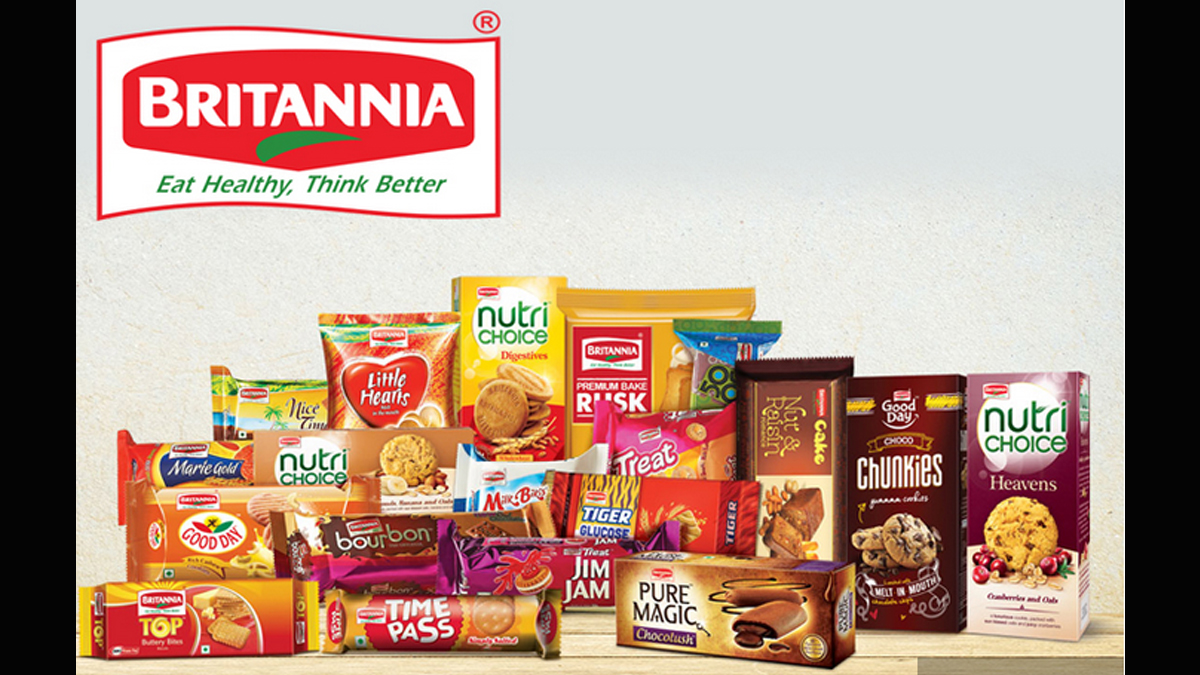
MUMBAI: When the going gets tough, Britannia gets baking. Britannia Industries delivered a strong first-quarter performance, with revenue and profit rising despite a sharp increase in several key input costs.
For the quarter ended June 30, 2026, the food major reported consolidated revenue from operations of Rs 4,964 crore, up 9.5 per cent year-on-year from Rs 4,534.86 crore in Q1 FY26. Revenue was also higher than the Rs 4,685.95 crore reported in the previous quarter.
Owner’s share of profit after tax rose 13.6 per cent to Rs 591 crore, while operating profit increased 12.7 per cent to Rs 761 crore. Profit before tax climbed 13.7 per cent to Rs 797 crore.
The operating profit margin stood at 15.3 per cent, while the PBT margin was 16.1 per cent, indicating that the company managed to protect profitability even as commodity costs heated up.
Britannia’s growth was spread across sales channels, regions and product categories.
General trade growth accelerated to 1.5 times the rate recorded in FY25-26. Other channels grew 2.5 times faster than general trade, led by strong double-digit growth in e-commerce.
The company also saw momentum strengthen across its regional markets. Key states, which now contribute more than half of domestic revenue, grew at 1.8 times their FY25-26 growth rate. Non-key states also delivered double-digit growth, expanding at 1.3 times the pace of key states.
Among products, croissants were a standout performer, growing more than 30 per cent during the quarter. Adjacency categories such as cakes, rusks and wafers also recorded double-digit growth, while dairy products including ghee and cheese continued to expand at a healthy pace.
International operations, however, remained flat during the quarter. Management said overseas conditions stabilised towards the second half of the period but remained cautious about geopolitical developments in West Asia.
The strong performance came against a challenging cost environment, with several key inputs becoming significantly more expensive.
Industrial fuel costs surged 67 per cent compared with Q4 FY26 and were up 69 per cent year-on-year. Milk costs increased 21 per cent sequentially and 14 per cent from a year earlier.
Packaging and edible oil costs also moved higher. Laminates increased 2 per cent from the previous quarter and 11 per cent year-on-year, while refined palm oil rose 6 per cent sequentially. Sugar prices increased 3 per cent both quarter-on-quarter and year-on-year.
Flour was one of the few bright spots, with costs falling 3 per cent sequentially and 7 per cent year-on-year.
Britannia absorbed part of the inflationary pressure through hedging and efficiency initiatives, including packaging optimisation, lower wastage and greater use of alternative fuels.
The company also continued to make progress on its sustainability and social initiatives. Renewable electricity usage at its owned facilities increased by around 16 per cent compared with Q4 FY26, while female participation in its factory workforce rose by around 0.7 per cent.
Its nutrition programme also continued to scale. The Britannia Nutrition Foundation has reached 3,97,125 beneficiaries, representing around 78 per cent of its target for FY25-27.
With growth coming from both traditional trade and newer channels, along with strong performances from categories such as croissants and dairy, Britannia’s latest quarter suggests the biscuit maker is finding ways to keep its dough rising even when the cost kitchen gets hotter.