Hollywood
US judge to rule on bid to halt Warner Paramount merger this week
States seek emergency block on proposed $110 billion Hollywood deal


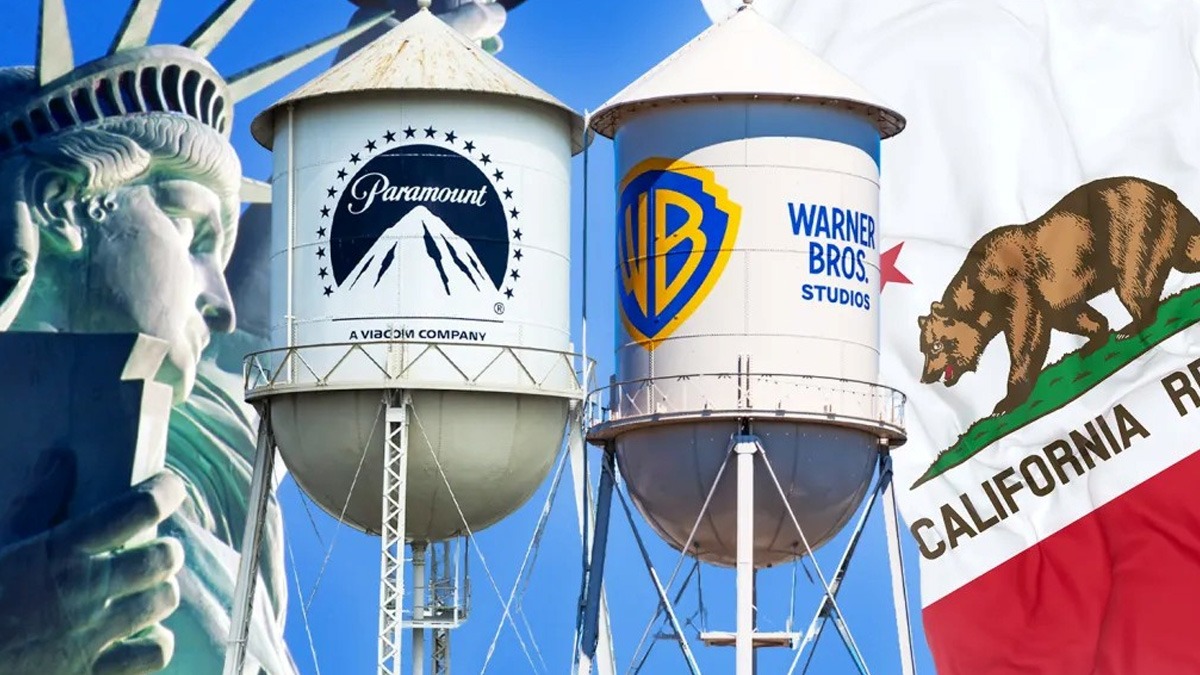
MUMBAI: Hollywood’s biggest blockbuster this week isn’t playing in cinemas, it’s unfolding in a courtroom. A US federal judge is set to decide whether to temporarily put the brakes on the proposed $110 billion merger between Warner Bros. Discovery and Paramount Skydance, a deal that has sparked a high-stakes legal battle over the future of the entertainment industry.
Following arguments heard on Friday in the US District Court for the Northern District of California in Oakland, Judge Araceli Martínez-Olguín said she would deliver her ruling on the request for a temporary restraining order (TRO) by Wednesday, July 22.
A TRO is an emergency court order that temporarily freezes a situation while legal proceedings continue.
The lawsuit has been brought by a coalition of 12 state attorneys general, led by California Attorney General Rob Bonta, who argue that the merger would significantly reduce competition across the film and television industry.
Announcing the legal challenge earlier this week, Bonta warned that combining the two media giants would lead to higher prices, lower-quality content and fewer films and television programmes, affecting everyone from cinema operators and cable distributors to audiences watching at home.
He also argued that film and television are more than commercial products, describing the entertainment industry as one that tells stories, inspires audiences and broadens perspectives, making competition in the sector particularly important.
The proposed merger would unite two of Hollywood’s most recognisable studios Warner Bros. Studios in Burbank and Paramount Pictures in Hollywood—under a single corporate umbrella.
According to James Weingarten, counsel for the plaintiff states, the transaction represents the largest merger in Hollywood history. He told the court that the deal would combine two of the five major film studios and more than 50 basic cable channels into one company.
Weingarten further argued that the merged entity would command extraordinary market power, claiming it would collect more than a quarter of every box office dollar generated in the United States.
The companies, however, maintain that the merger is necessary to compete more effectively against streaming leaders such as Netflix, while also responding to the long-term decline in traditional cable television revenues.
Warner Bros. Discovery owns television networks including CNN, TNT and Turner Classic Movies, as well as streaming platform HBO Max, while Paramount Skydance operates CBS and streaming service Paramount+.
Representing Paramount Skydance, attorney Jeffrey Kessler argued that the states had failed to justify the extraordinary relief they were seeking and said the court should reject the request for a temporary restraining order.
The legal opposition extends beyond state governments. The Writers Guild of America West and the Writers Guild of America East have also filed a separate lawsuit seeking to block the merger, raising concerns over its potential impact on competition and the broader creative ecosystem.
The court’s upcoming decision will not determine the ultimate fate of the merger, but it could decide whether the companies are temporarily prevented from moving forward while the broader antitrust challenge works its way through the US legal system. A ruling in favour of the states would mark the first significant legal hurdle for what is being billed as one of the most consequential media deals in Hollywood’s history.