MAM
They built you. Then they vanished. Except the ones that didn’t
Chiclets, Gold Spot, Forhans, Promise, the Padmini, the Ambassador, BPL, Binaca and what actually happened to each of them.

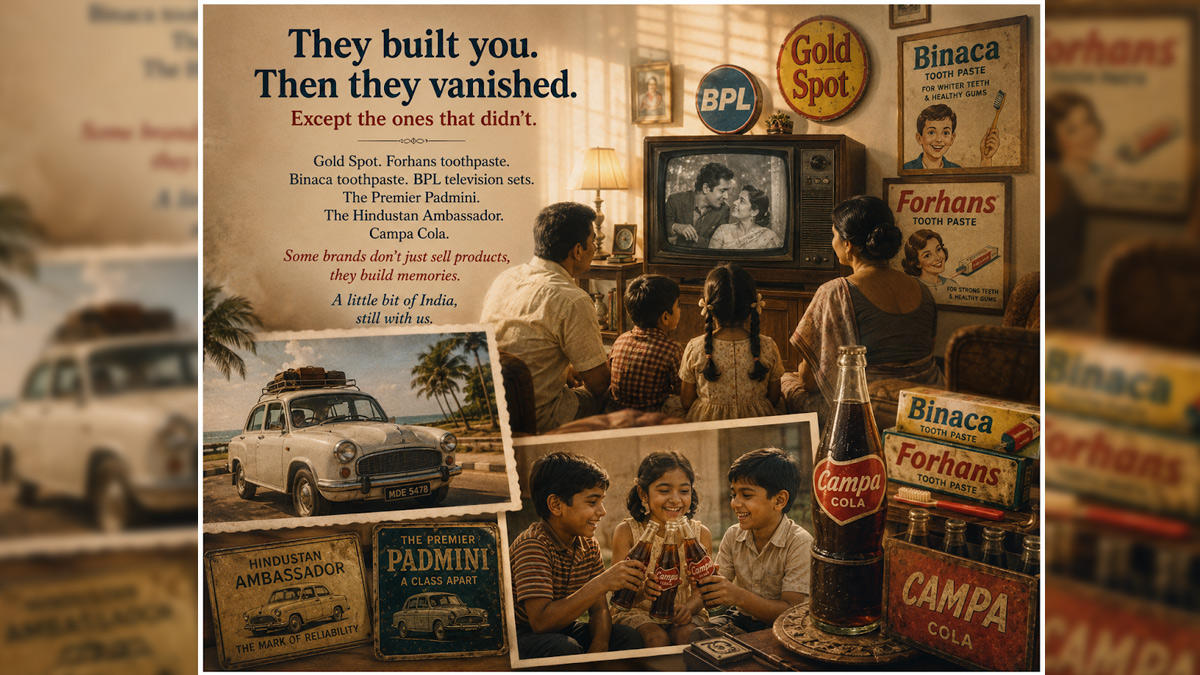
MUMBAI: They did not hold a press conference. There was no farewell campaign, no sentimental thirty-second spot, no hashtag. One day the shelf had them or the road did. The next day, for some of them, it did not. A generation of Indian consumers was left reaching for something that no longer existed: not just a product, but a piece of the architecture of daily life.
This is not nostalgia. Nostalgia is soft and forgiving. This is something harder, a reckoning with what Indian brands were, what killed some of them, and why the obituaries we wrote for others turned out to be premature. Several of these stories end badly. More of them, it transpires, do not.
The ones that went quietly
Gold Spot
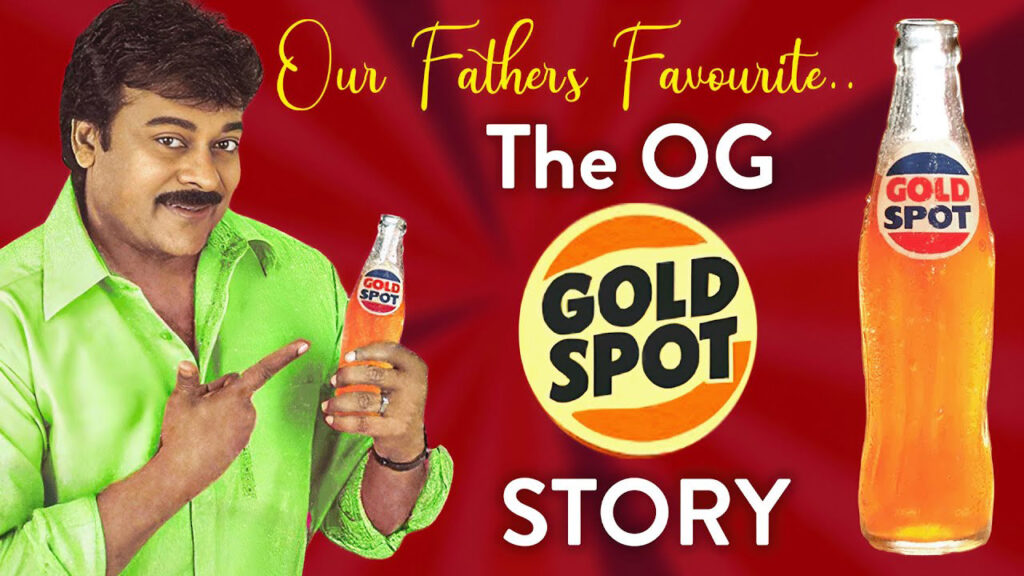
The Zing Thing. Never subtle, never trying to be. Gold Spot was orange the way a child draws the sun maximalist, aggressive, slightly absurd, completely irresistible. Coca-Cola acquired it in 1993 along with Thums Up, Limca and Maaza in a reported $40 million deal, and then sat on it for seven years before pulling the plug around 2000 to make room for Fanta. They had Fanta, they said. What the market had, in fact, was a hole shaped exactly like Gold Spot and Fanta, smooth and internationally positioned, never quite filled it. The Zing was not a formula. It was a feeling. You cannot acquire a feeling. You can only inherit it or waste it.
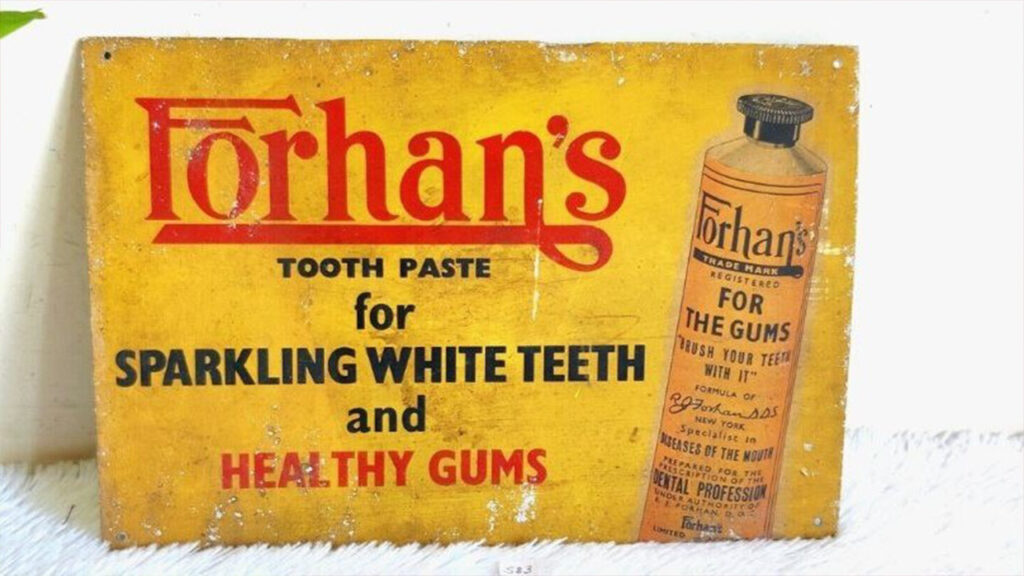
Forhans toothpaste
India’s original anxiety brand decades before Sensodyne discovered the genre. Forhans did not promise whiteness or freshness. It promised you would not lose your teeth. In an era when dentistry was an aspiration rather than a routine, that was a powerful proposition. Then Colgate arrived with smile-whitening promises and television budgets, and Forhans — which had no answer to joy, only to fear found that fear was a harder sell in a liberalised economy. The Indian brand passed through multiple hands: Wyeth sold it in 2005, Anchor Group bought it from the next owner and tried a relaunch, and failed. The Indian Forhans is gone. The name, however, persists as a Pakistani product available, with some effort, on Indian pharmacy platforms. A brand that could not survive its home market has found asylum across the border. There are worse endings.
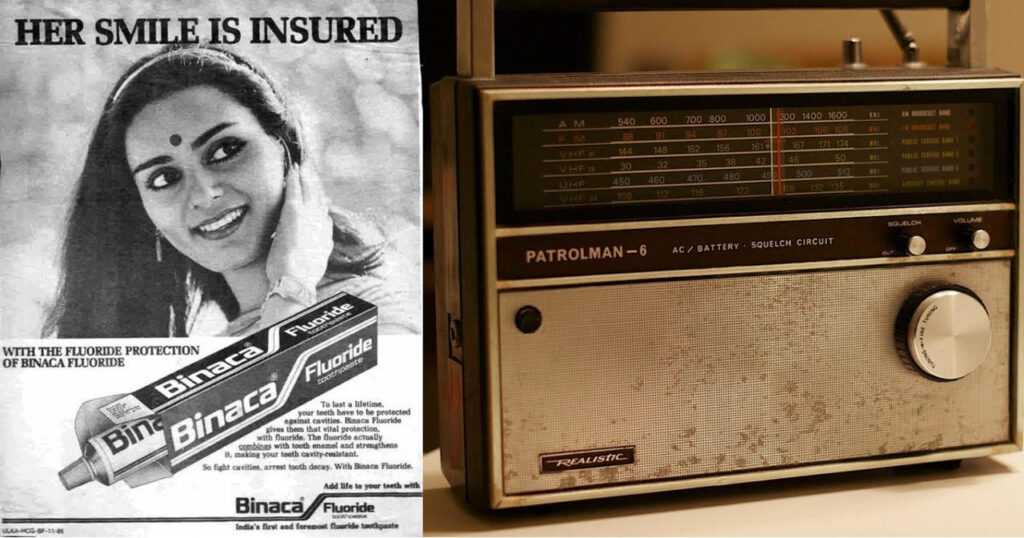
Binaca toothpaste and its radio life
Binaca Geetmala ran for nearly five decades on radio. A Hindi film song countdown, named after a toothpaste, hosted by Ameen Sayani in a voice that could have sold silence. That single sentence contains the entire philosophy of mid-century Indian brand-building: make yourself so necessary to daily ritual that you become cultural infrastructure. Reckitt Benckiser sold the brand to Dabur in 1996 for a reported Rs 1.2 crore, a fire sale. Dabur tried a toothpowder, failed, tried to sell the brand for ₹20 crore, found no takers, and eventually gave up on paste entirely. Dabur still sells toothbrushes under the Binaca name, bundled with its Babool and Meswak lines. The toothpaste faded. The brand, technically, has not. It survived as an accessory to the products that replaced it which is either a tribute to the power of a name, or a parable about what happens when a platform outlives its purpose. Probably both.
The ones that were merely wounded
Chiclets
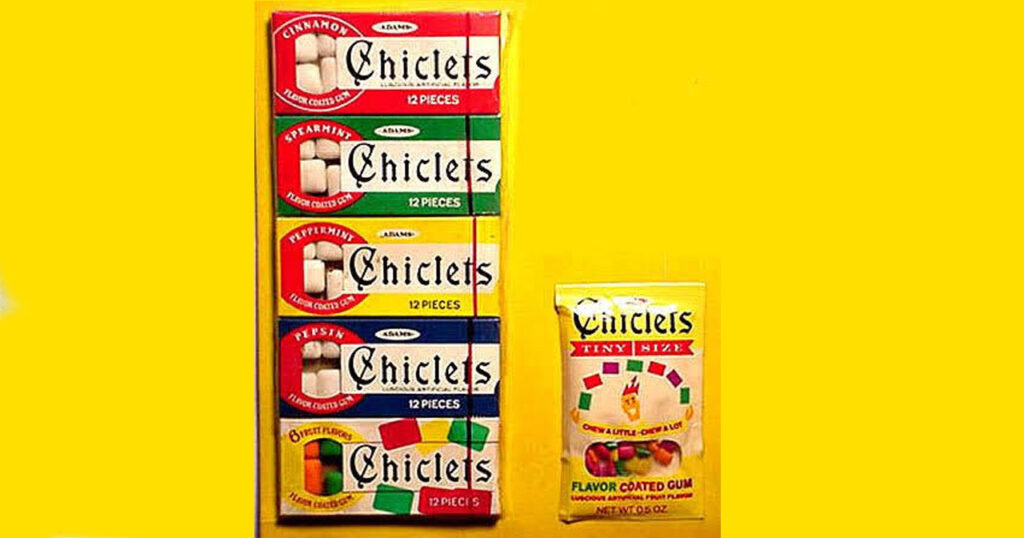
Two white tablets. A yellow box the size of a matchbook. A rattle every schoolchild in India could identify blindfolded. The column you are correcting would have you believe Chiclets rattled its last. In fact, the brand is alive, owned since 2022 by Perfetti Van Melle, the makers of Mentos after Mondelez sold its global gum business. It is available on Amazon India today, imported, at a premium that would have appalled the original paan-shop customer. The box still exists. The price is no longer nothing. Whether that constitutes survival or merely a ghost is a question for the buyer.
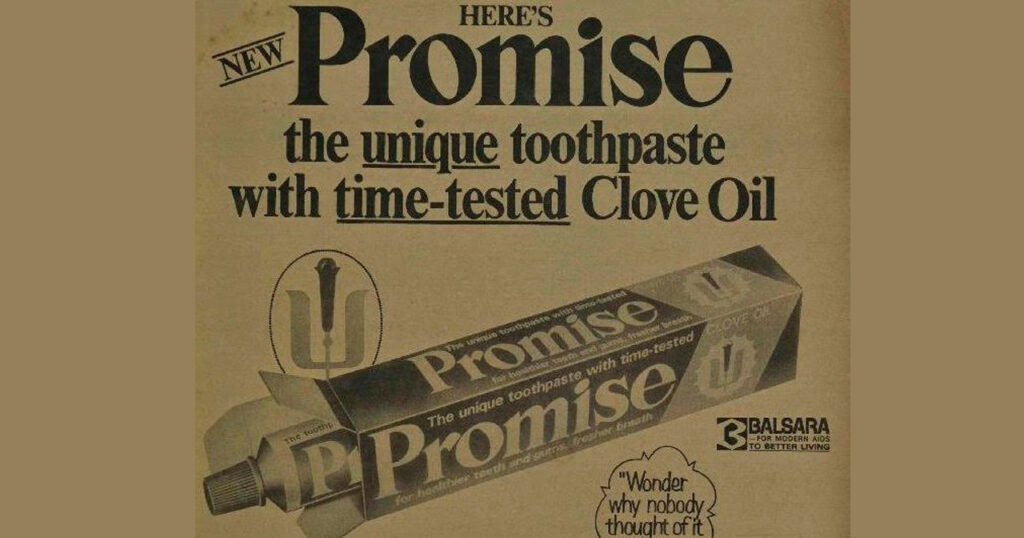
Promise toothpaste
Before Promise, clove oil was something your grandmother applied to a toothache. After Promise, it was a differentiator. Balsara launched it in 1978, priced below Colgate, flavoured with clove, aimed at a market that was vast, price-sensitive, and completely underserved. The original column declared it dead. It is not. In 2005, Balsara sold Promise along with Babool and Meswak to Dabur in a ₹143 crore deal. Under Dabur, Promise is still listed, still sold, and the Balsara website notes the brand is marketed in 29 countries. Diminished, yes. Marginalised, certainly. Dead, no. The lesson from Promise is not that a single ingredient is insufficient. The lesson is that being acquired by the right conglomerate can extend a brand’s life indefinitely, if quietly.
BPL television sets
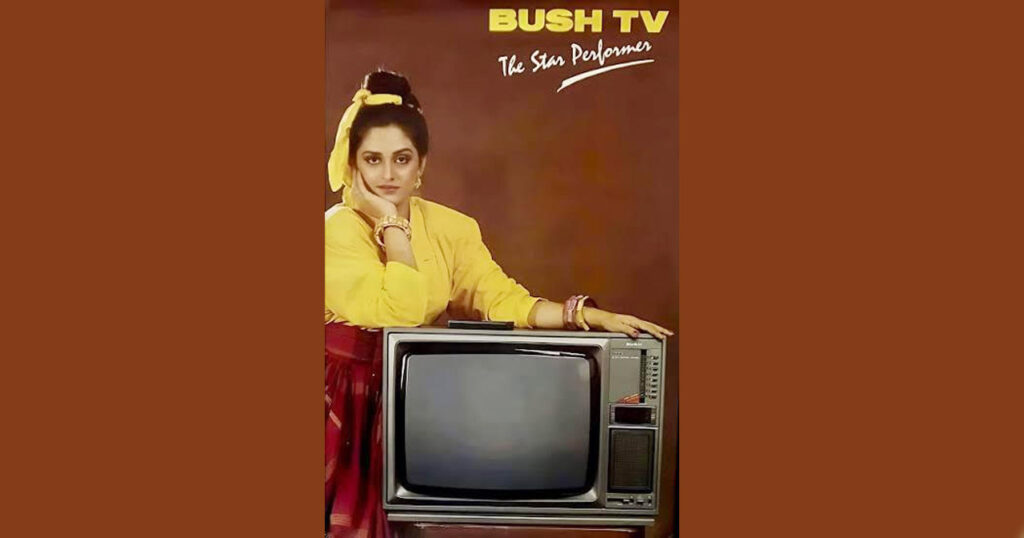
Every aspirational drawing room in early-nineties India had one: that warm grey cabinet, the remote requiring a specific angle and a degree of faith. The original column would place BPL in the past tense. That is wrong. BPL stumbled badly when Korean competition and internal family disputes hollowed it out in the 2000s. But in 2015-16, Ajith Nambiar led a structured comeback and then Reliance acquired the licence to manufacture and sell BPL consumer durables. Today, BPL sells 4K, QLED and UHD televisions from its own website. The company remains listed on Indian exchanges and reported revenues in FY2026, however modest. BPL could not pivot to premium fast enough the first time. The Koreans had no such problem. But Reliance, with its distribution muscle and appetite for Indian-heritage positioning, is giving BPL a second act that the original owners could never have written alone.
The ones that drove into the sunset
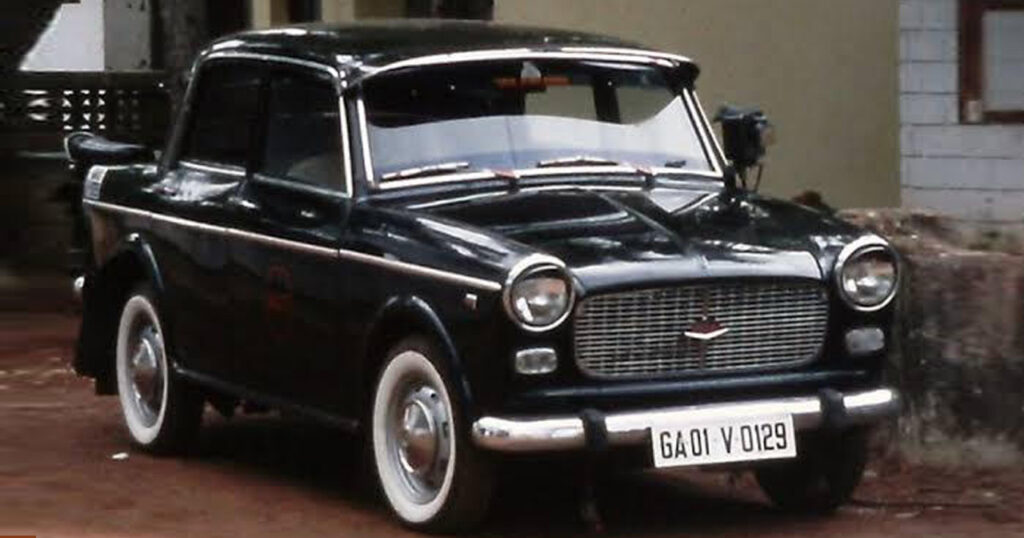
The Premier Padmini, India’s Fiat
In 1952, Premier Automobiles signed a licence agreement with Fiat. The car that emerged from the Kurla plant burrowed into India’s imagination across decades Rajinikanth owned one, Dev Anand owned one, and the whole of Mumbai hailed one at every street corner. Then liberalisation came and the Padmini charming, underpowered, mechanically unchanged since the Nehru era had no answer. Production ended around 2000. The last kaali-peeli Padmini taxi in Mumbai was retired in October 2023, not because the cars died but because regulations made them illegal. Some of those taxis had run for forty years. That is not a product. That is stubbornness made magnificent.
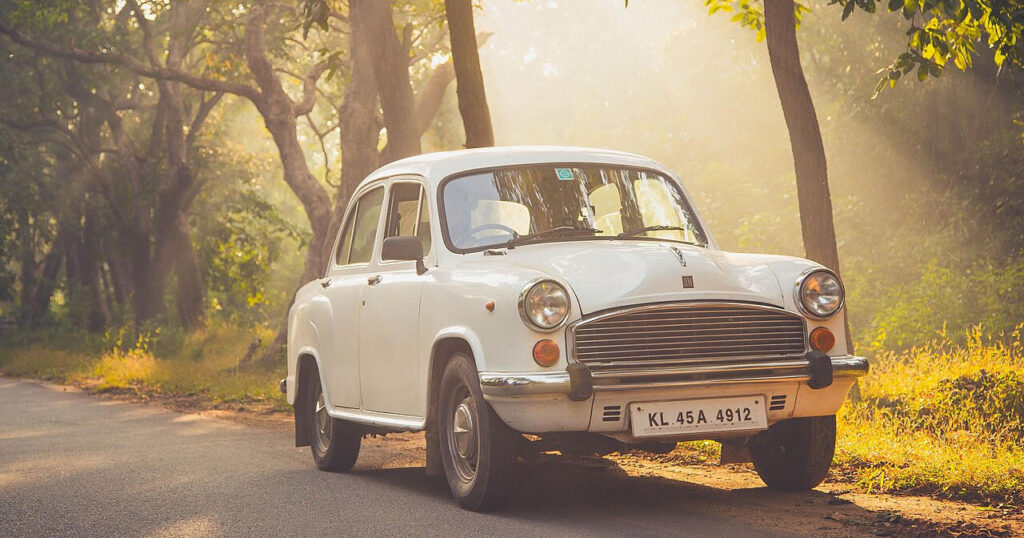
The Hindustan Ambassador
Based on the Morris Oxford Series III, a British car that Morris had already stopped making, the Ambassador was produced with minimal change for six decades. The logic in 1958 was sound: rugged, spacious, built for roads that could barely be called roads. The logic by 1998 was bewildering. Sales collapsed from 24,000 units in the mid-eighties to fewer than 2,200 in the year ending March 2014. Production was suspended in May 2014. The brand was sold to Peugeot for ₹80 crore in 2017. The Uttarpara factory once 795 acres, the second-oldest automotive plant in Asia was seized by the West Bengal government in 2025, repurposed for Vande Bharat train manufacture. The Amby’s final indignity: the land it was born on is now producing something that moves at 160 km/h. The Ambassador, to the last, could not quite manage that.
The one that came back
Campa Cola acquired Rs 22 cr · now valued Rs 4,700 plus cr
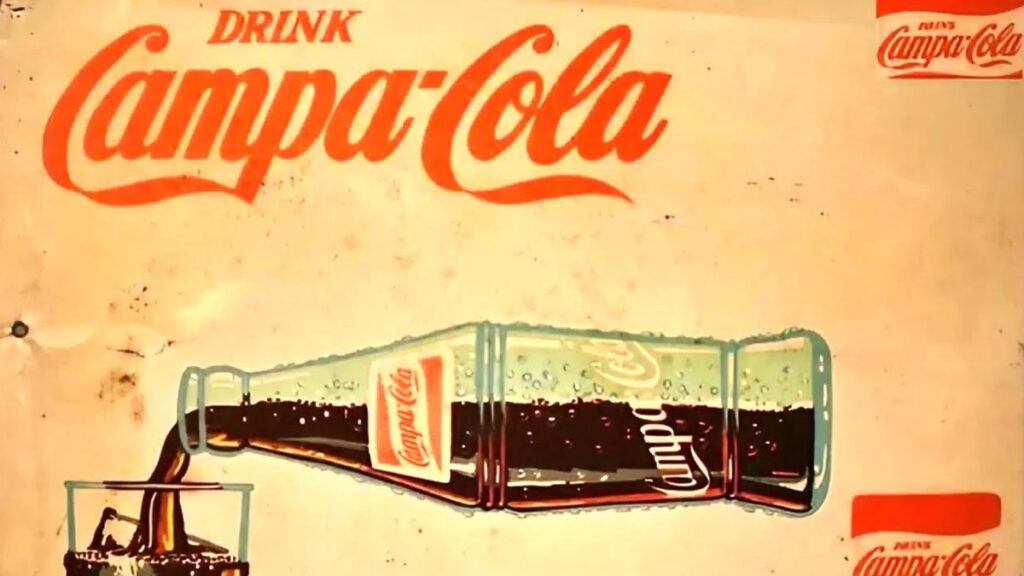
Born of necessity in 1977, when Coca-Cola walked out of India rather than dilute its equity stake Campa was India’s accidental national cola for a decade. Those heavy glass bottles. That slightly-too-sweet aftertaste. The Cola-Orange-Lemon trinity that tasted, somehow, like the entire 1980s. Then liberalisation arrived, the Americans returned, and Campa discovered that monopoly is not a business model. In 2022, Reliance Consumer Products acquired the dormant brand for ₹22 crore. The rest is current affairs: double-digit market share across multiple states, revenue past ₹1,000 crore, brand value at ₹4,700 crore, co-presenting rights for IPL 2025, and expansion into the UAE and Nepal. The deeper lesson is not that all dead brands can be resurrected. It is narrower: a brand killed by circumstance rather than consumer rejection retains latent equity that no balance sheet captures. Campa was not abandoned. It was orphaned. There is a difference and Reliance understood it when almost nobody else did.