Brands
Flipkart Minutes hits 1,000 fulfilment centres as Bharat fuels rapid growth
Quick commerce arm expands to 130 cities, with Gen Z and smaller towns driving demand

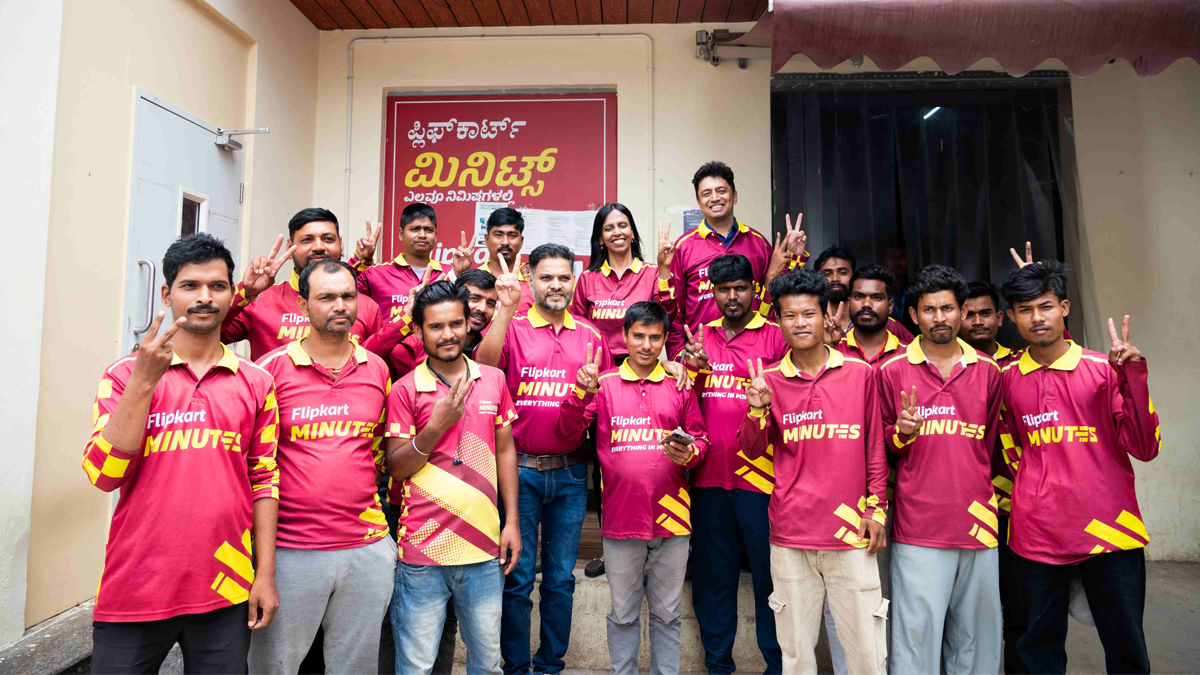
BENGALURU: For a business built on speed, Flipkart Minutes is moving at quite a clip. The quick commerce arm of Flipkart has crossed 1,000 micro fulfilment centres in less than two years since launching in August 2024, underscoring the rapid expansion of India’s fast-growing instant delivery market.
The milestone comes as the platform reports a fivefold increase in orders over the past year, driven by surging demand from smaller cities and changing shopping habits among younger consumers. The network now spans more than 130 cities and covers over 8,000 pincodes across the country.
While quick commerce initially gained traction in major metropolitan areas, Flipkart says the next growth wave is increasingly coming from Bharat. Tier 2 and Tier 3 markets recorded a 42-fold increase in scale compared with last year, helped by expansion into more than 90 new cities including Ambala, Arrah, Bokaro, Darbhanga, Jorhat, Ongole, Purnia, Saharsa and Tenali.
Commenting on the achievement, Flipkart Group senior vice-president, supply chain, AI transformation, new business, customer experience and recommerce, Hemant Badri said the milestone reflects how consumer adoption of quick commerce is evolving across India. He noted that deeper reach, broader selection and greater accessibility are increasingly driving growth, particularly in emerging markets.
The company is also witnessing a shift in who is using quick commerce and how they are using it. Gen Z has emerged as the fastest-growing customer segment and now accounts for more than 40 per cent of the platform’s user base. Unlike earlier consumers who primarily relied on quick commerce for groceries and household essentials, younger shoppers are increasingly turning to the service for beauty products, electronics, wellness items and lifestyle purchases.
That evolution is reshaping the category itself.
According to Flipkart Minutes, demand has expanded into more than 250 product categories, pushing the platform beyond its grocery roots. Average order values for fruits and vegetables have risen by 30 per cent, while repeat purchases have increased by more than 20 per cent, indicating growing customer loyalty and broader usage occasions.
Flipkart Minutes head Kunal Gupta said the service has evolved from a convenience-led grocery solution into a new shopping habit for millions of consumers. He added that customers are ordering more frequently and across a wider range of categories than ever before.
Behind the scenes, the rapid growth is creating opportunities across the wider retail ecosystem. The platform now works with nearly 500 direct-to-consumer brands, helping them tap hyperlocal demand and reach customers in both large and emerging markets.
Its agricultural initiative, Samarth Krishi, has connected more than 3,000 farmers through farmer producer organisations and farm-to-door fulfilment networks, helping strengthen supply chain transparency while opening new market access for agricultural producers.
Sustainability is also becoming a larger part of the quick commerce equation. Flipkart doubled its electric vehicle fleet over the past year, enabling more than 10 per cent of deliveries to be completed using greener transport options. The company also reported that 20 per cent of customers opted for reusable bags, while route optimisation initiatives have helped reduce the environmental footprint of last-mile deliveries.
The latest figures highlight a broader shift taking place across India’s retail landscape. What began as a race to deliver groceries in minutes is increasingly becoming a platform for everything from vegetables to smartphones. As smaller cities embrace the model and younger consumers make instant delivery part of their everyday routines, quick commerce is no longer just about speed. It is rapidly becoming a mainstream shopping channel in its own right.