Documentary
Restored documentary classics from NFDC-NFAI collection captivate audiences at MIFF 2026
Films on Gandhi, Begum Akhtar and Ravi Shankar highlight India’s cinematic heritage


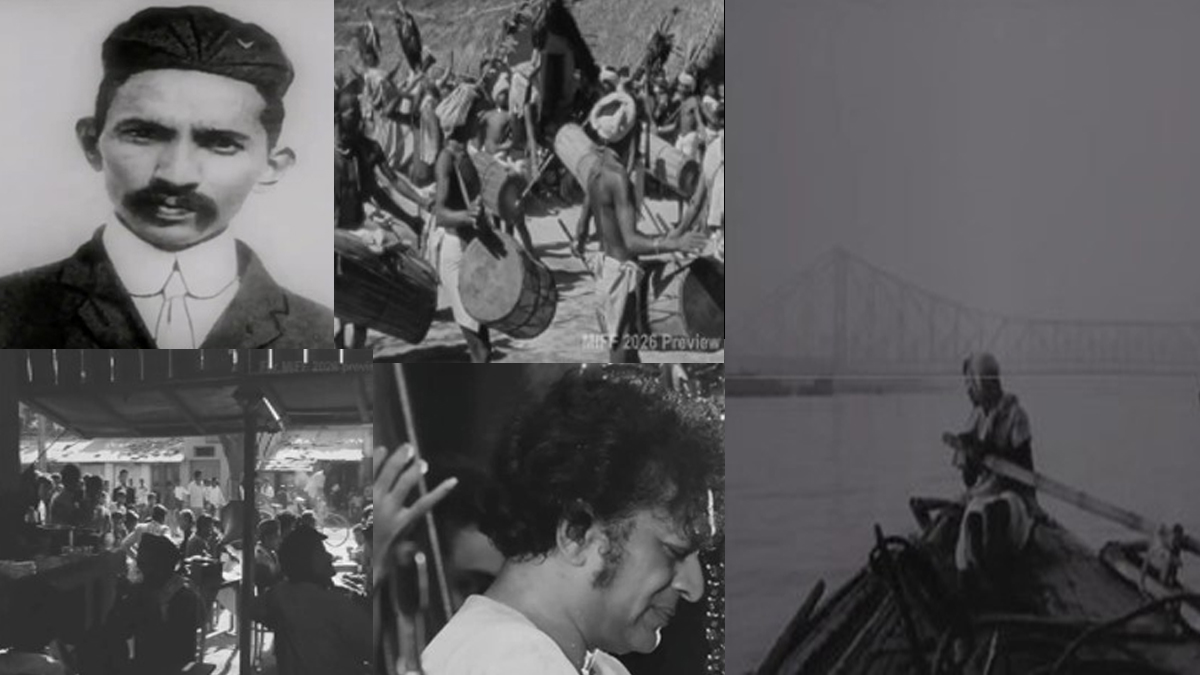
MUMBAI: A carefully curated selection of restored documentary classics drew strong audience appreciation at the 19th Mumbai International Film Festival, as the festival screened five landmark films from the National Film Development Corporation–National Film Archive of India collection under its special non-competition section, NFAI Presents – Restored Classics.
The screenings formed part of a broader effort under the National Film Heritage Mission, the Government of India’s flagship initiative aimed at restoring and preserving the country’s cinematic heritage for future generations.
Produced by the erstwhile Films Division of India, the five documentaries collectively offered a sweeping view of India’s cultural, artistic and social history, revisiting iconic personalities and landscapes through restored archival cinema.
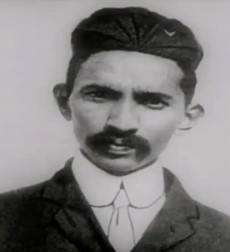
Among the highlights was Mahatma: Life of Gandhi 1869–1948 (Part I), directed by Vithalbhai K. Jhaveri and released in 1968. The English-language documentary draws extensively on archival footage to present a detailed chronicle of Mahatma Gandhi’s life and public work, offering a significant historical record of his journey and legacy.
Another key film was Begum Akhtar, directed by N.K. Issar in 1971. The documentary captures the artistry of legendary singer Begum Akhtar, often referred to as the Mallika-e-Ghazal. Through performance footage and glimpses of her personal life, the film presents an intimate portrait of one of India’s most celebrated voices in ghazal and thumri.
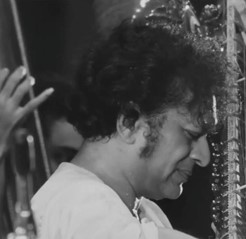
The musical legacy of India was further explored in Ravi Shankar, directed by Pramod Pati in 1970. The documentary traces the artistic journey of sitar maestro Ravi Shankar, blending interviews and recital footage to highlight his role as a musician, composer and cultural ambassador on the global stage.
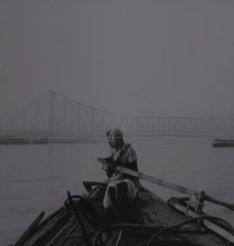
Urban life and rhythm take centre stage in Portrait of a City, directed by Chidananda Dasgupta in 1961. The film offers a textured visual study of then-Calcutta, capturing factories, newspaper offices, rivers and racecourses to reflect the pulse of a rapidly evolving city.
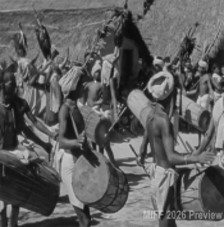
Completing the selection was Our Original Inhabitants, directed by Jagat Murari in 1953. In under 12 minutes, the documentary provides a brief but vivid introduction to India’s tribal communities, showcasing their cultural practices, attire, music and dance traditions.
Speaking at a session on the sidelines of the screenings, Prakash Magdum emphasised the importance of film preservation, noting that restored cinema allows newer audiences to engage with historical works in renewed form while maintaining their original artistic integrity.
He added that many leading international festivals now dedicate special sections to restored classics, reflecting a growing global recognition of archival cinema as an essential part of film culture.
The presentation of these restored works at MIFF 2026 underscores the continued relevance of India’s documentary heritage and the value of preservation efforts undertaken under the National Film Heritage Mission.
As audiences revisited these landmark films in restored form, the screenings reaffirmed MIFF’s dual role: celebrating contemporary documentary innovation while also safeguarding and honouring the cinematic memory of the nation.