iWorld
Vaishnaw says government targets deepfakes, not genuine content
IT minister rejects censorship claims, backs stronger action on fake news.

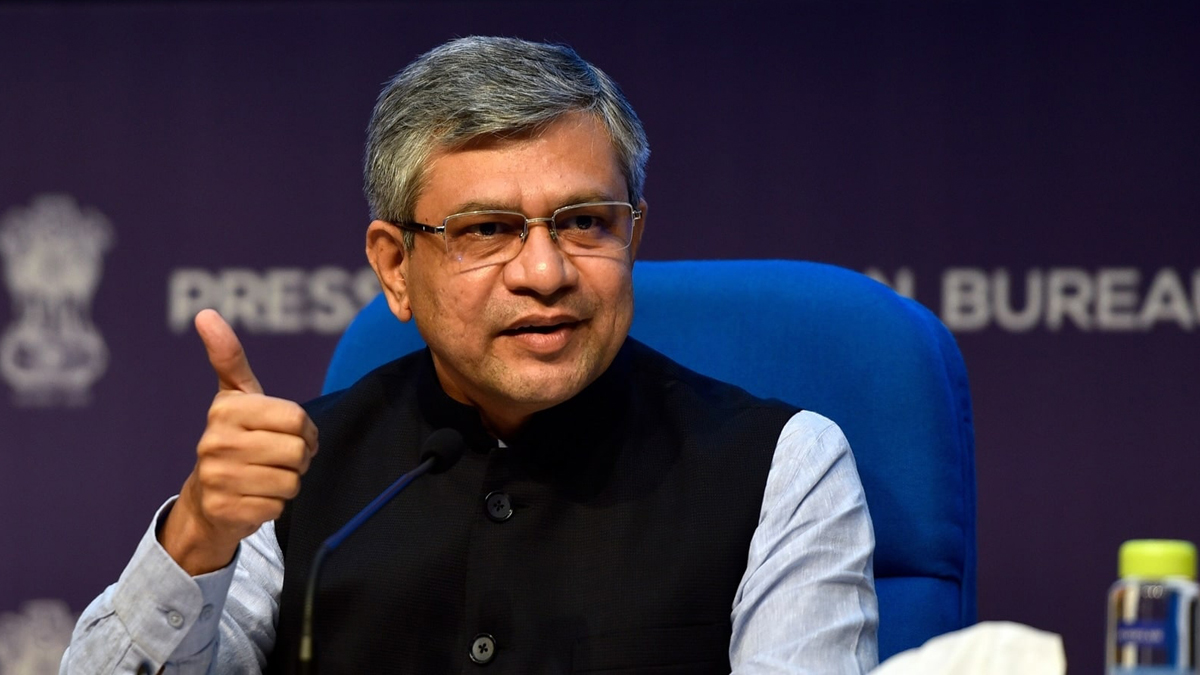
MUMBAI: In the battle between clicks and credibility, the government says its sights are set on fakes, not free speech. Union Minister for Electronics and IT Ashwini Vaishnaw has pushed back against allegations that the government is censoring social media content, asserting that official intervention is limited to tackling deepfakes and demonstrably false information, not legitimate content creation or public criticism.
The clarification comes amid growing debate over the removal of online videos and concerns from independent creators that government authorities are increasingly influencing content moderation decisions on digital platforms.
Among those raising objections was Cockroach Janata Party leader Abhijeet Dipke, who claimed that a video supporting a student allegedly affected by a CBSE assessment error had been taken down following government intervention.
Addressing such concerns, Vaishnaw said genuine protest videos and legitimate public discourse were not the target of government action. Instead, he argued that authorities have a responsibility to act when manipulated content is used to spread misinformation.
“Wherever these fake videos are, it is a duty, it is a responsibility for us, for the government to make sure that if any deep fake video is propagating false, actually false news, then it has to be removed,” Vaishnaw told PTI.
The minister emphasised that public trust in institutions remains critical and said technology must be used to help citizens distinguish between authentic and manipulated content. While acknowledging that deepfakes account for only a small fraction of the vast volume of online content, he warned that their potential impact can be disproportionately damaging.
The comments come as policymakers worldwide grapple with the rapid rise of artificial intelligence-generated content, which has made it increasingly difficult to identify fabricated videos, images and audio recordings.
Vaishnaw also indicated that the government believes existing regulations may not be sufficient to address emerging misinformation challenges. According to him, a fresh legal framework could be necessary, with industry stakeholders expected to play a role in shaping future safeguards.
When asked about proposed amendments to India’s Information Technology rules, the minister sought to shift the focus away from who creates content and towards the content itself.
“The question is very simple. Whether fake news should be allowed to stay on social media or should not? Who generates the fake news was never a point of conversation. If fake news is generated by a newspaper or by any other person, if it is fake news, it must be taken out,” he said.
The broader discussion is unfolding against the backdrop of proposed regulatory changes that could expand the Ministry of Information and Broadcasting’s oversight powers. The amendments under consideration would extend blocking and takedown provisions to users who post or share news and current affairs content online, even if they are not registered publishers.
For supporters, the move represents an attempt to curb the growing spread of misinformation in the digital age. Critics, however, argue that any expansion of takedown powers must be carefully balanced against concerns around free expression and independent journalism.
As deepfakes become more sophisticated and misinformation spreads faster than ever, the challenge for policymakers is becoming increasingly clear: protecting public trust without appearing to police public conversation.