TCHxVAM2026
Curating attention in a multi-surface world: from appointment viewing to infinite choice – the play for India’s attention
Attention hasn’t shrunk — it has multiplied. As consumers move fluidly across screens, the industry is rethinking the way content reaches, resonates with, and retains audiences

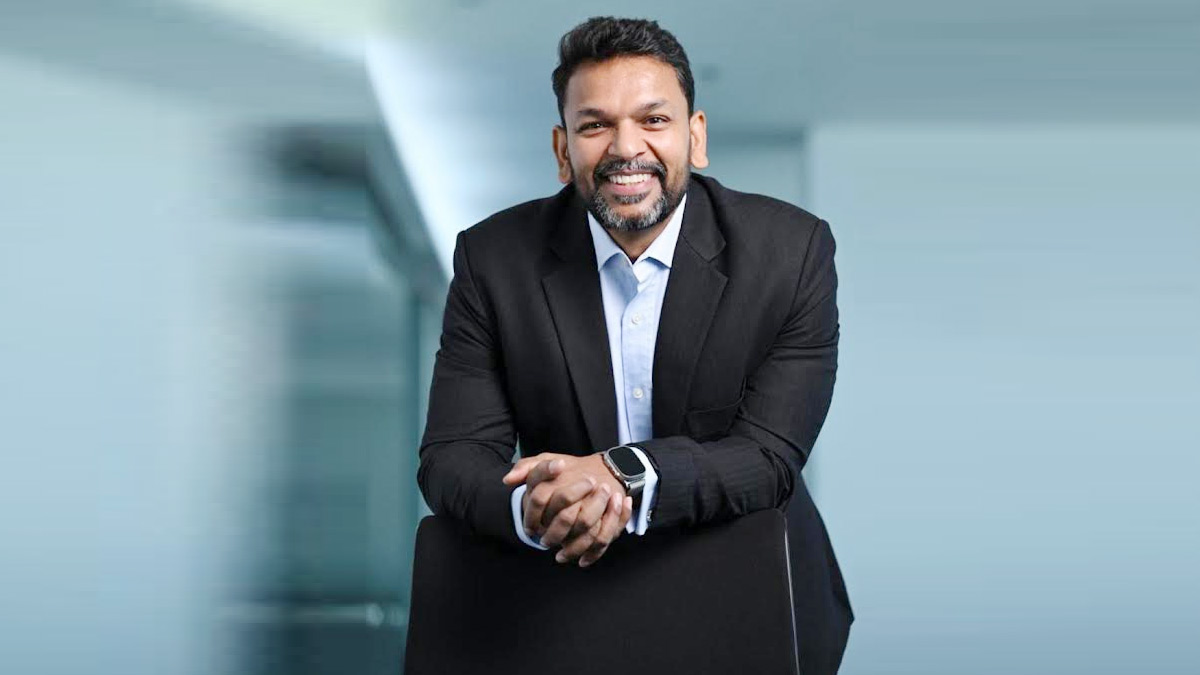
MUMBAI: In one of the most closely watched addresses at The Content Hub TCH x VAM 2026, Alok Jain, Head of Hindi & English Entertainment Business (Streaming, TV & Studios), JioStar, challenged the industry’s prevailing narrative on shrinking attention and set out to discuss about the four essential drivers for what comes next. Speaking from the vantage point of the country’s largest entertainment network, one that reaches close to every Indian, Jain discussed that the winners of the next decade will be the players who stop optimizing for yesterday’s screen.
To set the context he pushed back on two myths that limit us to evolve. The first: the myth of the shrinking attention span contradicted, he noted, by Indians sitting through eight hours of theatre time for the two Dhurandhar instalments, by 60-minute podcasts that keep growing audience, by the microdrama boom, and by the 3-hour binge coexisting on the same phone. The second, and more dangerous: “Past is not equal to future.” Music, retail and print were disrupted, he reminded the room, by people who refused to believe “this is how it has always worked.” Media will not be exempt. The biggest hits of the last three years did not come from the formula of the last thirty.
Today’s Indian consumer bears little resemblance to the one of 1995. Younger, more ambitious, and accustomed to instant gratification, they have moved from an era of appointment viewing, gathered around the radio or the family television, into a world of constant access and near-infinite choice.
To frame the shift, Jain offered a single image: a woman moving between three surfaces at once, her television, her phone, and the chopping board that actually holds her attention. It was a telling portrait of how entertainment now competes, not just with other entertainment, but also with the rhythms of everyday life.
The question, then, is a deceptively simple one. In a world that offers more of everything, how does a content provider earn attention?
“The next chapter of Indian entertainment will be written by four drivers.”
The first, and the most fundamental, is the discipline of curating great content. The onus, Jain argued, sits squarely with the provider to identify what genuinely moves audiences and gives them a reason to lean in. Chiraiya, a story centred on marital rape, was initially expected to find only a niche audience. Instead, it became one of JioHotstar’s strongest-performing non-franchise fiction titles, a reminder that bold, uncomfortable subject matter, when handled with craft, can outperform safer bets.
The same thesis plays out across the slate. Laughter Chefs, a homegrown comedy format in a genre audiences had been starved of, became one of the biggest unscripted properties on both television and JioHotstar, with a strong tail on social media. Thukra Ke Mera Pyaar, a raw heartland story entrusted to a first-time maker, performed strongly enough to warrant a second season. Even legacy IPs like Naagin continue to find new life through reinvention. The common thread is straightforward: newness, paired with themes that resonate, earns a response. As Jain said, “If content resonates, people make time. Resonance is a scarce resource, not attention.”
The second driver is the deliberate use of technology to meet consumers wherever they are. Dhurandhar became the template, a theatrical that compounded into a Spotify-charting soundtrack, an inescapable Reels phenomenon, and merchandise worn as swag. The next frontier, he suggested, is finding formats for entertainment that feel native and not retrofitted.
The third driver looks westward for its template: building fandom around IP. Drawing on the Marvel Cinematic Universe and the Jolly LLB franchise, Jain argued that extending known properties lowers the cost of choice for audiences. Familiarity, he observed, lowers the guard, much as meeting an old friend asks less of us than meeting a stranger. India, he added, is unusually well placed to build multiverses of its own, given the depth of stories embedded in its history and mythology. With a handful of players already moving in that direction, he sees the category opening up meaningfully in the years ahead.
The fourth and most technically demanding pillar, personalization, is exploration, not extrapolation. “You watched five horror films, so the system serves a sixth—that’s the system staying inside the box the viewer arrived in.” The ambition is to decode the motivation behind a choice and surface adjacent content for the same emotional need. A Roadies viewer isn’t a reality TV fan; they’re drawn to ambition, pressure, survival. The right next title might be 12th Fail or Game of Thrones. “Owning the library no longer matters. Surfacing the right title for the right viewer at the right moment is everything. Discovery is the new distribution.”
In the closing, a line by Jain that summed up the keynote drew sustained applause and is likely to be the most quoted:
“Content is King. The Kingdom just got bigger. Surfaces will keep multiplying. The consumer will keep evolving. Only the right content, in the right form, surfaced at the right moment – will keep its crown.”
The signal to the industry is unmistakable. JioStar is not asking what the next disruption will be. It is positioning to be the one defining and delivering it.