MAM
AAAI at 80 looks back at advertising’s biggest plot twists
Sam Balsara reflected on media battles, Goafest and AI-led disruption

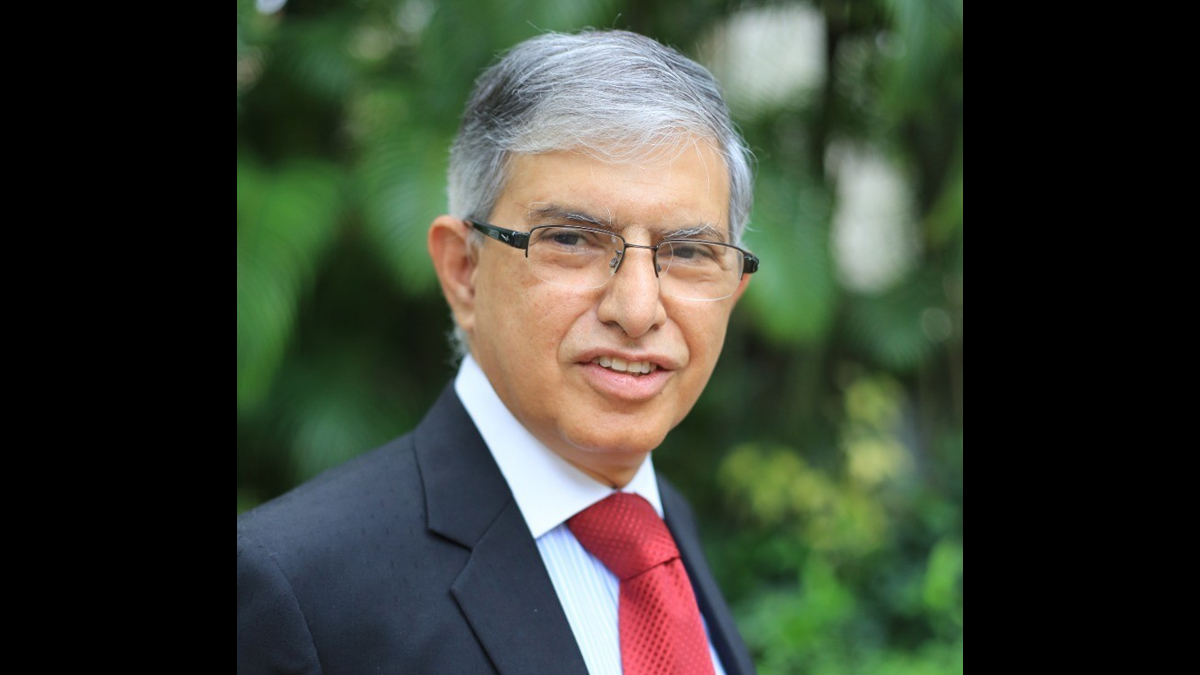
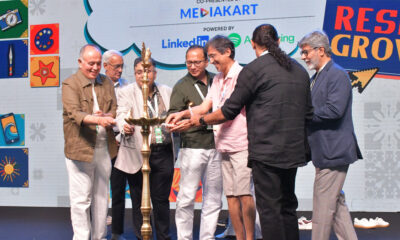
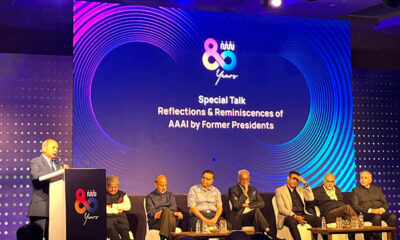
MUMBAI: Advertising may sell the future, but on Wednesday evening at Goafest 2026, the industry paused to rewind the tape. As the Advertising Agencies Association of India (AAAI) celebrated 80 years of existence, the occasion became less of a ceremonial anniversary and more of a walk through Indian advertising’s changing script from print-era agency wars to the rise of AI-powered marketing. And guiding much of that retrospective was Madison World chairman Sam Balsara, who blended industry history, institutional memory and a few well-timed punchlines into a speech that captured just how dramatically the business of advertising has evolved.
After all, few industries have travelled from hand-drawn print layouts to algorithm-led campaigns in under a century.
Balsara described AAAI’s longevity as remarkable in a business that once transformed “by the decade, and now by the day.” Founded in Kolkata in 1945, when the city served as India’s commercial and cultural nerve centre, the association witnessed advertising evolve alongside the country itself.
“Kolkata was like the East India Company,” Balsara joked, drawing laughter from the audience, while also pointing to the city’s lasting creative influence on Indian advertising. Even today, he noted, Bengali creative directors continue to occupy an outsized presence across agencies.
But as India’s commercial gravity shifted westward, AAAI followed suit. In the 1980s, after spending 35 years in Kolkata, the association moved its base to Mumbai — a decision Balsara described as both practical and transformative.
The speech also doubled as a personal timeline.
Madison World joined AAAI in 1989, shortly after the agency was founded, and Balsara eventually became president of the association in 2002, a period marked by one of the advertising industry’s biggest structural debates.
At the centre of the conflict was a question that now feels routine but once shook agency boardrooms: could agencies handle only media buying without also managing creative duties?
As specialised media-buying firms began emerging, traditional agency models came under pressure. According to Balsara, the dispute eventually pushed AAAI to modernise its own structure.
By 2009, the association had introduced separate memberships for full-service, creative and media agencies categories that later expanded further as digital advertising exploded across India.
The industry’s growing pains were not limited to agencies alone.
Balsara also revisited AAAI’s long-running friction with broadcasters during television’s rapid expansion years. One of the defining battles came when the Indian Broadcasting Foundation attempted to introduce its own accreditation system for agencies.
AAAI resisted, arguing that its members should automatically qualify. The broadcasters eventually relented, reinforcing the association’s role as a central industry institution during television advertising’s boom years.
Another major milestone was the IBF-AAAI joint committee, which met monthly for nearly 20 years to resolve payment disputes between broadcasters and agencies. The committee conducted 235 sessions before changing competition laws reshaped how industry-wide discussions could take place.
The reflections also touched on the advertising industry’s increasingly complex relationship with regulation.
Balsara pointed to the Indian government’s growing involvement in media oversight through the Ministry of Information and Broadcasting, particularly around audience measurement systems and BARC’s evolving role.
At a time when audiences consume content across television, OTT platforms and digital media simultaneously, he argued that cross-media measurement systems were “much overdue”.
And then there was Goafest itself, now one of Indian advertising’s biggest networking and awards platforms.
What began years ago under the stewardship of industry leaders such as Sundar Swamy and Arvind Sharma has since grown into one of AAAI’s most visible and commercially successful initiatives, reflecting how the industry has steadily transformed from a tightly knit agency circle into a sprawling ecosystem spanning media, creators, technology and platforms.
Still, beneath the celebration sat an unmistakable undercurrent of uncertainty.
Artificial intelligence, fragmented consumer attention spans and platform-led disruption are once again rewriting advertising’s rules. But if AAAI’s 80-year journey proved anything, it is that the industry has rarely stood still for long.
From print to pixels and now prompts Indian advertising continues to reinvent itself, one disruption at a time.