Education
GUEST COLUMN: How mothers are transforming student learning beyond the classroom
As education evolves, mothers are becoming central to student development

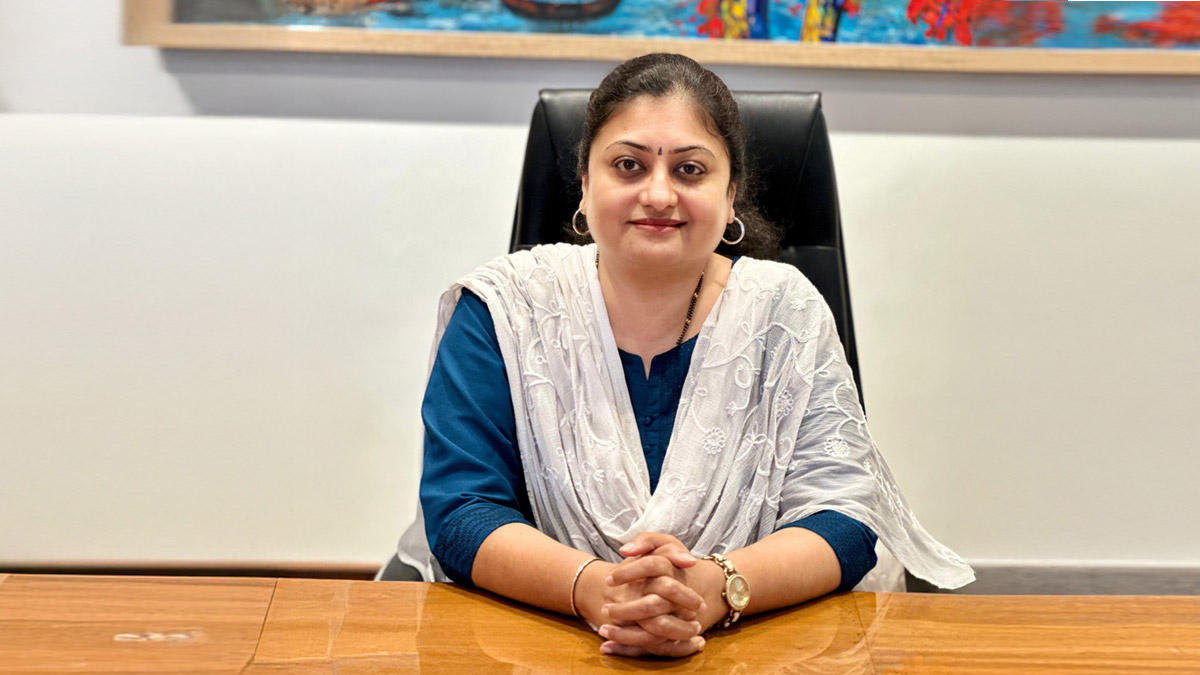
MUMBAI: As education evolves beyond the boundaries of traditional classrooms into a more connected, technology-driven, and collaborative ecosystem, the role of parents, especially mothers, is undergoing a profound transformation. No longer limited to offering emotional support or monitoring academic performance from the sidelines, mothers today are emerging as active co-educators who participate deeply in shaping their children’s intellectual, emotional, and social development. From navigating hybrid learning models and digital platforms to fostering resilience, discipline, and life skills at home, their involvement has become central to the modern learning experience. In this article, Sarada Murali, chief financial officer at Birla Open Minds, reflects on how mothers are redefining education partnerships in the new learning ecosystem and why stronger school-home collaboration will be critical to building future-ready learners.
As a mother and an education leader, I have experienced how deeply a mother’s role shapes a child’s learning journey and how important it is for a child to get the guidance of their mother. The teaching of a mother helps the children till their end of life the. From how to behave and how to talk helps them in their regular life. Teaching children to learn their first word, the first step to guiding them through studies, exams, and homework, mothers have historically been the first teachers in a child’s life. The role of mothers in every student’s educational life has always been remarkable. However, in today’s rapidly evolving education landscape, mothers’ roles are more than just support and on the sidelines. This new learning ecosystem is developing, where mothers are increasingly becoming active co- teachers, they are participating meaningfully in their children’s emotional, academic and skill development journeys.
The technological advancements which have developed in the past three years have transformed education systems through their evolution into Blended learning models, which created new educational pathways and professional opportunities, while establishing new standards for classroom learning. Education has expanded beyond its previous constraints, which confined it to traditional classrooms and scheduled learning sessions. Learning now takes place through various digital platforms, experiential spaces and interactive environments and actual life situations. The role of mothers has progressed from being Silent witnesses to becoming informed partners in education.
Mothers today no longer pay attention to their children’s learning methods because their focus is exclusively on their children’s academic progress. Mothers use technology to learn about educational methods while they track their children’s growth and work with teachers to develop customized educational programs. The educational development of children depends on mothers who help students use online learning platforms and support project-based home learning while they build their children’s emotional resilience.
The modern education system experiences its most significant transformation through the development of hybrid learning systems. The combination of physical presence with digital educational platforms establishes improved access and flexible learning options, yet it demands increased participation from students’ family members. The new situation has brought about remarkable changes for mothers who now handle their new responsibilities. Many mothers now serve as home learning guides who run study sessions while they build organized workspaces that help their children learn discipline and responsible digital usage.
The development of informed parenting has emerged as a major advancement. We Mothers gained better knowledge about child psychology and learning patterns and mental health and career development through their access to educational resources and parenting groups and webinars and expert-led platforms. The result has been improved collaboration between schools and parents which has created more effective dialogues. The mothers are now asking more profound questions about curriculum relevance and learning outcomes and pedagogical methods and student well-being which will lead to increased educational accountability and improved student educational experiences. I think when schools and mothers work together, the impact on the child is excellent.
A mother is often the most dynamic professional one can imagine effortlessly balancing multiple roles with intelligence, empathy, and resilience.As a financial expert, she plans budgets, prioritizes expenses, and ensures that every resource is used wisely, often stretching limited means to meet unlimited needs. She understands value, sacrifice, and long-term security better than most trained professionals. As a doctor, she is the first responder to every illness—offering care, comfort, and healing. Whether it’s a fever in the middle of the night or emotional distress after a tough day, her presence itself becomes the remedy. As a CEO, she manages the entire household with strategic clarity: delegating tasks, resolving conflicts, setting routines, and ensuring that everything runs smoothly. She leads without authority, influences without force, and nurtures growth in every member of the family.
Beyond all roles, she is the emotional anchor handling relationships, sentiments, and unspoken needs with sensitivity and strength. She celebrates silently, sacrifices quietly, and loves unconditionally.
A mother doesn’t just manage a home she builds a world where everyone feels secure, valued, and understood.
Educational institutions will depend on this collaborative method for their future operations. The new educational system teaches students to achieve successful outcomes through different aspects of their abilities. Successful achievement today needs more than academic results because it requires people to develop adaptability skills and empathy skills and innovative skills and resilience skills and lifelong learning abilities. Mothers develop essential life skills in their children through daily interactions which they share with their kids. Their academic performance has a wider effect because they determine how students develop their self-esteem and acquire learning abilities.
Schools need to establish power structures which will engage parents especially mothers who want to participate as learning partners in the educational process. The partnership will become stronger through open communication together with parent-learning programs and digital access and mental health support and joint learning efforts. The future of education will extend beyond the traditional classroom to develop through various educational connections which bring together educators and parents and technological systems and community members for collaborative work.
The relationship between mothers and their children has always served as the foundation for a child’s development. Today, people recognize that mothers have a developing role in educational settings. Educators now work with mothers to develop educational systems that go beyond their previous educational support role. The future of education will depend on two elements, which include intelligent classrooms with modern technology and the creation of better school-home connections that will empower mothers to lead this educational change.
Note: The views expressed in this article are solely the author’s and do not necessarily reflect our own.