Digital
India leads global adoption of ChatGPT Images 2.0 in first week
From anime avatars to fantasy covers, users turn AI visuals into culture


NEW DELHI: India has emerged as the largest user base for ChatGPT Images 2.0, just a week after its launch by OpenAI, underlining the country’s growing influence on global internet trends.
While the tool was introduced as an advanced image-generation upgrade within ChatGPT, Indian users are quickly reshaping its purpose. Instead of sticking to productivity-led use cases, many are embracing it as a creative playground for self-expression, storytelling and online identity.
From anime-style portraits and cinematic headshots to tarot-inspired visuals and fictional newspaper front pages, the model is being used to create highly stylised, shareable content. Features such as accurate text rendering, multilingual prompts and the ability to generate detailed visuals with minimal input have helped drive rapid adoption.

What sets the latest model apart is its ability to “think” through prompts, generating multiple outputs and adapting to context, including real-time web inputs. But the bigger story lies in how users are engaging with it.
In India, trends are already taking shape. Popular formats include dramatic studio-style lighting edits, LinkedIn-ready headshots, manga-inspired avatars, soft pastel “spring” aesthetics, AI-led fashion moodboards, paparazzi-style visuals and fantasy newspaper covers. Users are also restoring old photographs, creating tarot-style imagery and experimenting with futuristic design concepts.
Local flavour is adding another layer. Prompts such as cinematic portrait collages and Y2K-inspired romantic edits are gaining traction, blending global aesthetics with distinctly Indian internet culture.
The surge reflects a broader shift in how AI tools are being used in the country, moving beyond utility to creativity. As younger users, creators and social media enthusiasts experiment with new visual formats, AI-generated imagery is increasingly becoming part of everyday digital expression.
If early trends hold, ChatGPT Images 2.0 may not just be a tech upgrade but a cultural moment, giving millions a new visual language to play with online.







Digital
Global piracy networks evolve into multibillion-dollar crime syndicates
From bootleg DVDs to drug cartels, the new faces of organised crime are hiding in plain sight
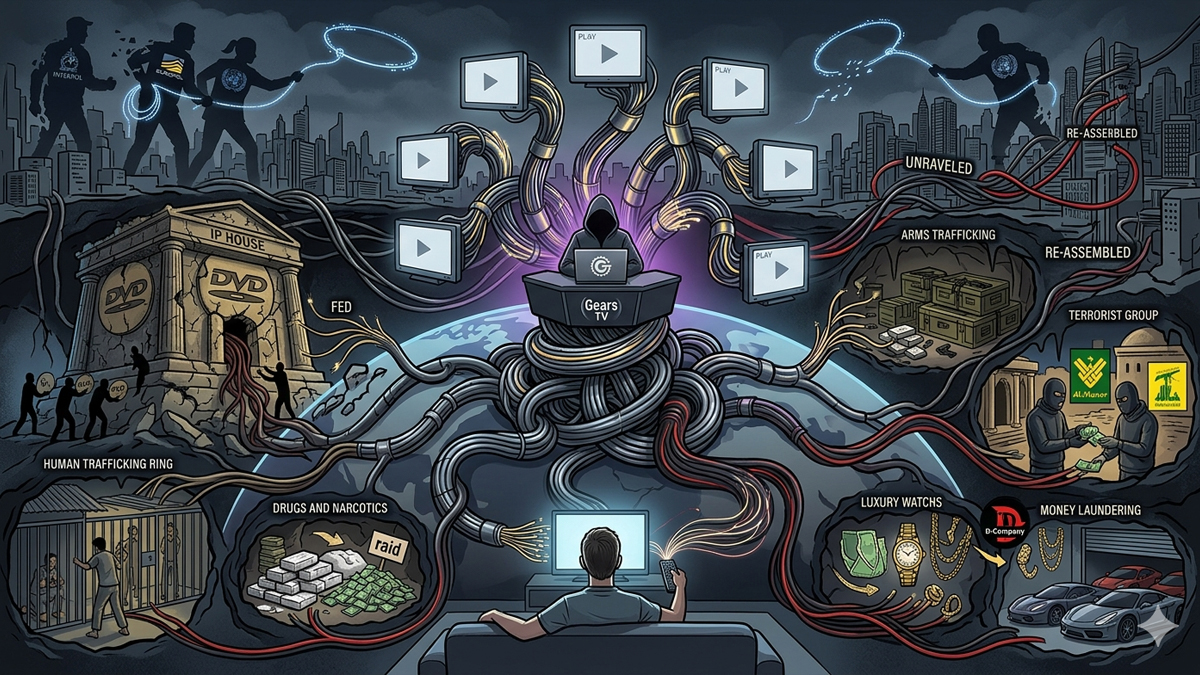
LONDON: Gone are the days of the local “dodgy DVD” man at the car boot sale. According to a landmark investigation by Digital Citizens Alliance and IP House, the world of digital piracy has undergone a chilling transformation into a sophisticated, multibillion-dollar ecosystem of organised crime. Far from being a victimless hobby, illicit streaming is now the “financial architecture” for global syndicates involved in everything from human trafficking and narcotics to funding international terrorism.
The joint report, titled “Organized. Piracy. Crime.”, reveals that modern piracy networks have ditched traditional hierarchies for a decentralized, digital-first model that is harder to track than a ghost in the machine. These groups use a “franchise model,” selling turnkey piracy kits, complete with streaming panels and content libraries, to operators worldwide, allowing the “CEOs” of these syndicates to remain anonymous while smaller cells take the heat.
In November 2024, European authorities dismantled a pay-TV network serving 22 million subscribers that generated a staggering $288 million (£230 million) per month. During raids across 11 countries, police seized not just servers and cryptocurrency, but a small army’s worth of drugs and firearms.
The crossover between digital theft and violent crime is no longer a theory. In Brazil, investigators found that piracy has become a “Plan B” for drug traffickers, providing low-risk, high-reward revenue to buy weapons and expand operations.
Operation fake (Spain): Exposed a syndicate combining content theft with property fraud, drug trafficking, and industrial-scale money laundering, resulting in 30 arrests and $12.7 million in frozen assets.
The “Hells Angels” connection: A Canadian investigation linked a piracy operator to members of the Hells Angels, noting he had previously been sentenced for cocaine smuggling.
Terrorist funding: Groups like Hezbollah and D-Company (led by global terrorist Dawood Ibrahim) have historically used piracy proceeds to fund their activities. Al-Manar, a banned terrorist television network, currently uses illegal IPTV services to bypass U.S. broadcast bans.
Perhaps most disturbing is the link to human exploitation. North East Regional Organised Crime Unit detective sergeant James Woodcock stated that “illegal streaming services… help fund wider organised crime such as human trafficking, child sexual exploitation, drug supply and other sinister crimes”.
In Southeast Asia, an estimated 220,000 people are being held in “polycriminal” compounds in Myanmar and Cambodia, forced to run cyber scams and potentially power the very IPTV panels used by Western viewers.
These syndicates have become masters of financial disguise, moving money faster than a 5G connection. Using shell companies, “hawala” informal payment systems, and cryptocurrency “mixing” services, they convert illegal subscriptions into luxury cars, real estate, and jewelry.
A prime example is the U.S. prosecution of IPTV mogul Bill Omar Carrasquillo (known as “Omi in a Hellcat”), whose Gears TV service generated tens of millions of dollars used to fund a lifestyle of luxury vehicles and commercial property.
Despite these networks meeting every international definition of organised crime set by the United Nations and Interpol, the report argues that authorities are currently “bringing a knife to a digital gunfight”.
The authors are urging governments to adopt stricter “site-blocking” laws, already used in over 50 countries, to cut off overseas criminals from domestic markets. As digital piracy generates an estimated $40 billion globally each year, the message is clear: if it operates like the mafia and launders like the mafia, it’s time to treat it like the mafia.
While the public in countries like Brazil and India (over 60 per cent) clearly see the link between piracy and organised crime, recognition in the UK and US remains lower. It seems the biggest hurdle to stopping these syndicates isn’t just technology, but the realization by consumers that their monthly “bargain” stream might be paying for someone else’s misery.