MAM
Sujata launches ‘Sujata For Life’ bridal campaign
Film ties mixer grinders to wedding gifting, familiarity and transition.

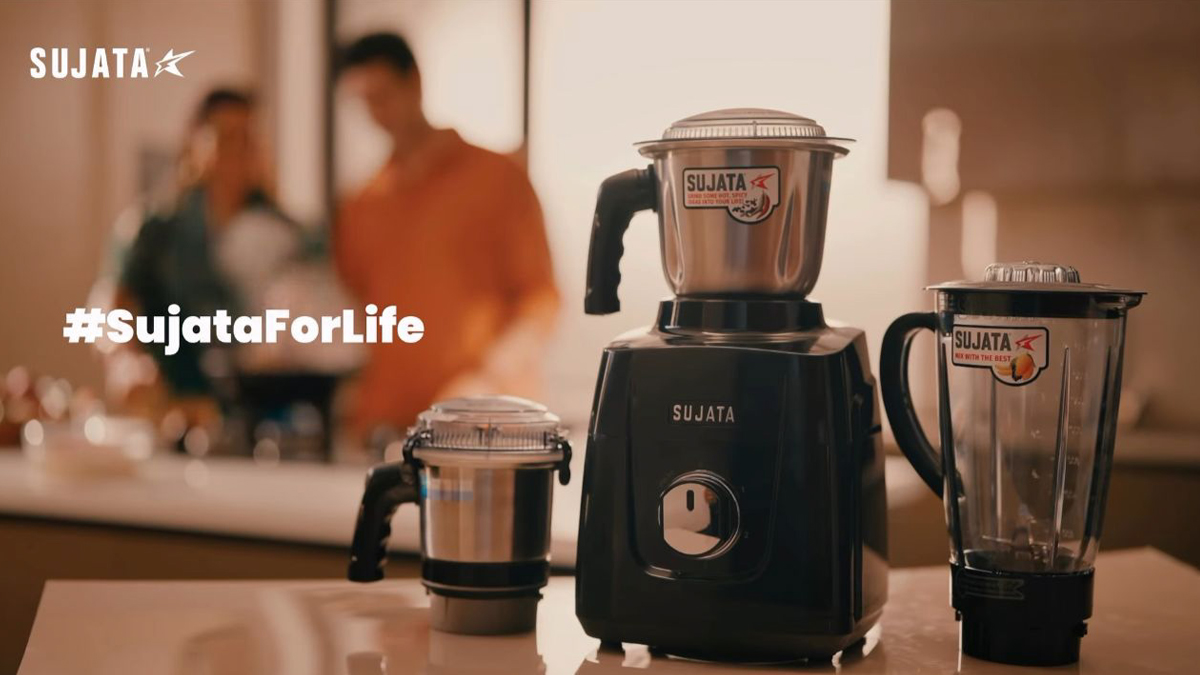
MUMBAI: In a new home full of unknowns, sometimes it’s the hum of a mixer that feels like home. Sujata Appliances has rolled out a new campaign titled ‘Sujata For Life’, placing its mixer grinder range at the heart of one of life’s most emotional transitions marriage. The film centres on a bride stepping into her new home, navigating unfamiliar faces, routines and spaces. Amid the uncertainty, a familiar kitchen companion, the Sujata mixer grinder becomes an anchor, quietly reconnecting her to the comfort of her past. The narrative leans into a simple but evocative idea: even as life changes, some constants travel with you.
With this campaign, Sujata shifts gears from purely functional messaging to emotional storytelling. Long associated with durability and performance, the brand is now positioning itself as a silent participant in everyday milestones from recreating family recipes to easing the rhythms of a new household.
The digital-led campaign taps into cultural insight as well. Mixer grinders have long been a staple in Indian wedding gifting, making them not just appliances but symbols of continuity. By weaving itself into this ritual, Sujata reinforces its legacy while aligning with a more contemporary, emotion-driven brand narrative.

Fagun Mittal from Sujata Appliances’ marketing team noted that the brand has been a constant in Indian homes for decades, and the campaign reflects how that familiarity extends into life’s biggest transitions. Weddings, he suggested, are not just about new beginnings, but also about carrying forward what is trusted.
At its core, the campaign reflects a broader shift in how everyday products are being viewed not just as tools, but as companions embedded in memory, habit and identity.
In the end, it’s less about what’s in the kitchen, and more about what it brings with it: a sense of belonging, one familiar sound at a time.


AD Agencies
Fevicol releases its last ad campaign by the late Piyush Pandey
The adhesive brand’s last campaign by the late advertising legend Piyush Pandey turns an everyday Indian obsession into a quietly powerful metaphor
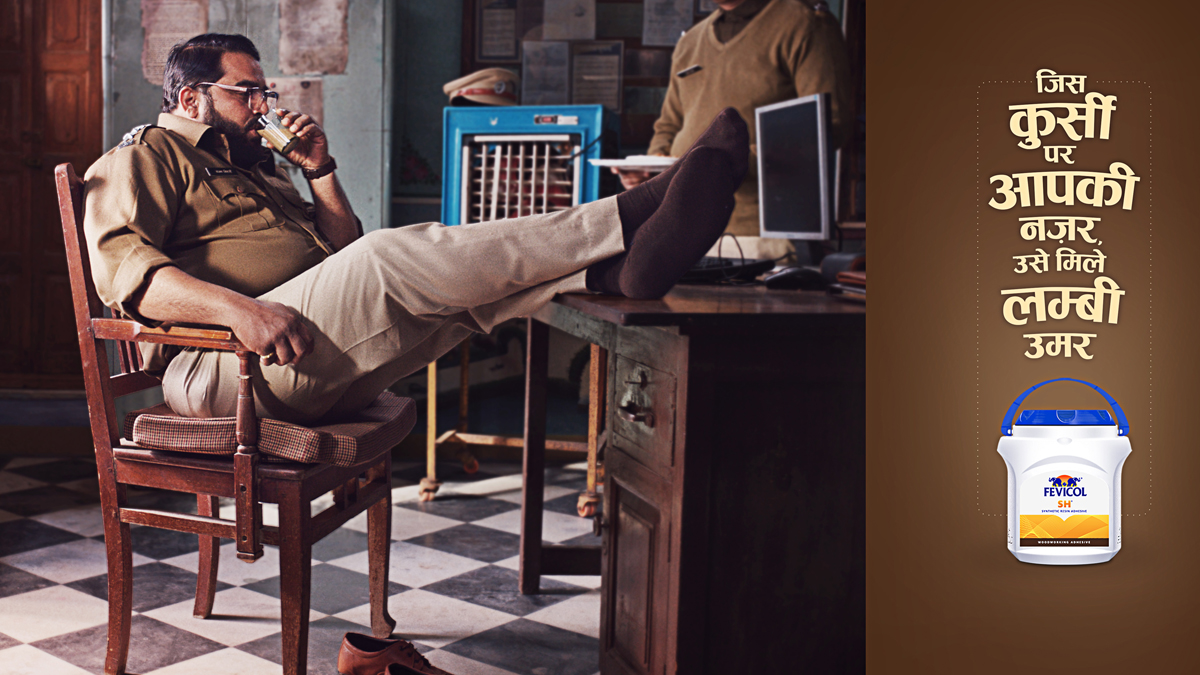
MUMBAI: Fevicol has never needed much of a plot. A sticky bond, a wry observation, a truth that every Indian instantly recognises — that has always been enough. “Kursi Pe Nazar,” the brand’s latest television commercial, is no different. And yet it carries a weight that no previous Fevicol film has had to bear: it is the last one its creator, the advertising legend Piyush Pandey, will ever make.
The film, released on Tuesday by Pidilite Industries, fixes its gaze on the kursi — the chair — and what it means in Indian life. Not just as a piece of furniture, but as a currency of ambition, a vessel of authority, and a source of quiet social drama that plays out in every home, office and institution across the country. Who sits in the chair, who waits for it, and who eyes it hungrily from across the room: the film transforms this sharply observed cultural truth into a narrative that is, in the best Fevicol tradition, funny, warm and instantly familiar.
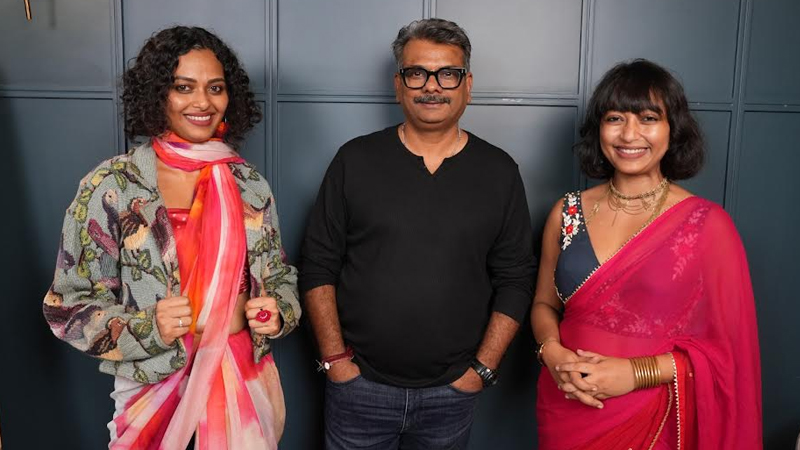
The campaign was Pandey’s idea. He discussed it in detail with the team before his death, but did not live to see it shot. Prasoon Pandey, director at Corcoise Films who helmed the commercial, said the team needed five months to find its footing before they felt ready to shoot. “This was the toughest film ever for all of us,” he said. “It was Piyush’s idea, magical as always.”
The emotional weight of that responsibility was not lost on the team at Ogilvy India, which created the campaign. Kainaz Karmakar and Harshad Rajadhyaksha, group chief creative officers at Ogilvy India, described the process as “a pilgrimage of sorts, on the path that Piyush created not just for Ogilvy, but for our entire profession.”
Sudhanshu Vats, managing director of Pidilite Industries, said the film was rooted in a distinctly Indian insight. “The ‘kursi’ symbolises aspiration, transition, and ambition,” he said. “Piyush Pandey had an extraordinary ability to elevate such everyday observations into iconic storytelling for Fevicol. This film carries that legacy forward.”
That legacy is considerable. Over several decades, Pandey’s partnership with Fevicol produced some of the most beloved advertising in Indian history, building the brand into something rare: a household name that people actively enjoy watching sell to them.
“Kursi Pe Nazar” does not try to be a tribute. It simply tries to be a great Fevicol film. By most measures, it succeeds — which is, in the end, the most fitting send-off of all.