iWorld
WhatsApp tests ‘WhatsApp Plus’ paid subscription tier
€2.49 plan adds customisation tools, messaging and calls remain free.

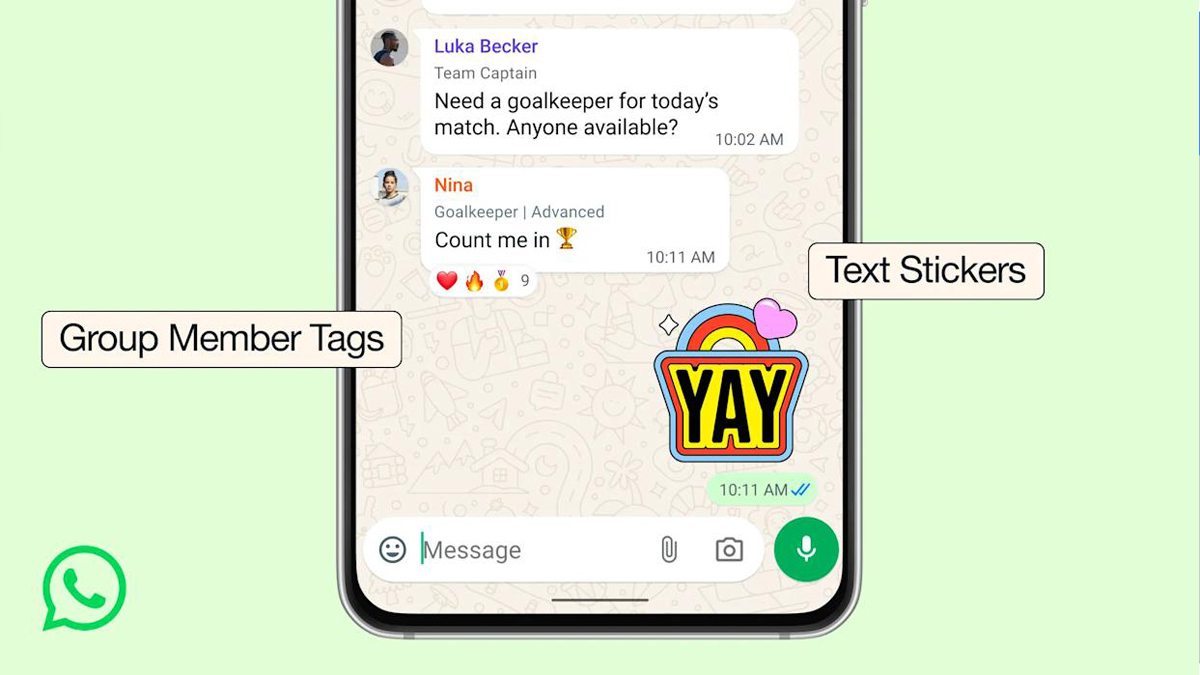
MUMBAI: Your chats may soon get a glow-up at a small monthly price. WhatsApp is testing a new paid subscription tier called ‘WhatsApp Plus’, signalling a shift towards premium personalisation features while keeping its core services free. The feature is currently being rolled out to a limited set of Android beta users, with early reports from WABetaInfo indicating a price of €2.49 per month (approximately Rs 274). Meta has confirmed the test, stating that it is designed for users who want more control over how they customise and organise their app experience.
Importantly, the subscription remains optional. Core functionalities including messaging, voice calls and community features will continue to be available free of charge, ensuring that the platform’s primary use case remains unchanged.
Instead, WhatsApp Plus focuses on aesthetic and organisational upgrades. These include exclusive sticker packs, new themes, custom app icons and personalised notification tones. On the functional side, subscribers may be able to pin up to 20 chats significantly higher than the current limit of three along with access to custom chat lists and enhanced categorisation tools.

Industry observers suggest the offering is largely cosmetic. Social media consultant Matt Navarra noted that the features lean more towards visual and usability enhancements rather than altering the app’s core functionality.
While global pricing has not been finalised, the subscription is expected to remain a low-cost monthly plan, with reports indicating a possible one-month free trial for eligible users. The feature is still in beta, meaning the final set of offerings could evolve before a broader rollout. Support for iOS users is also anticipated in the coming weeks.
The move mirrors a broader trend in the social and messaging ecosystem, where platforms such as Snapchat and Instagram have introduced similar subscription layers adding premium features without placing core services behind a paywall.
For WhatsApp, the strategy appears clear, keep the conversation free, but charge for a little extra flair around it.







iWorld
Meta launches AI connectors for ads in open beta
Tools enable campaign creation, reporting and insights via AI platforms.
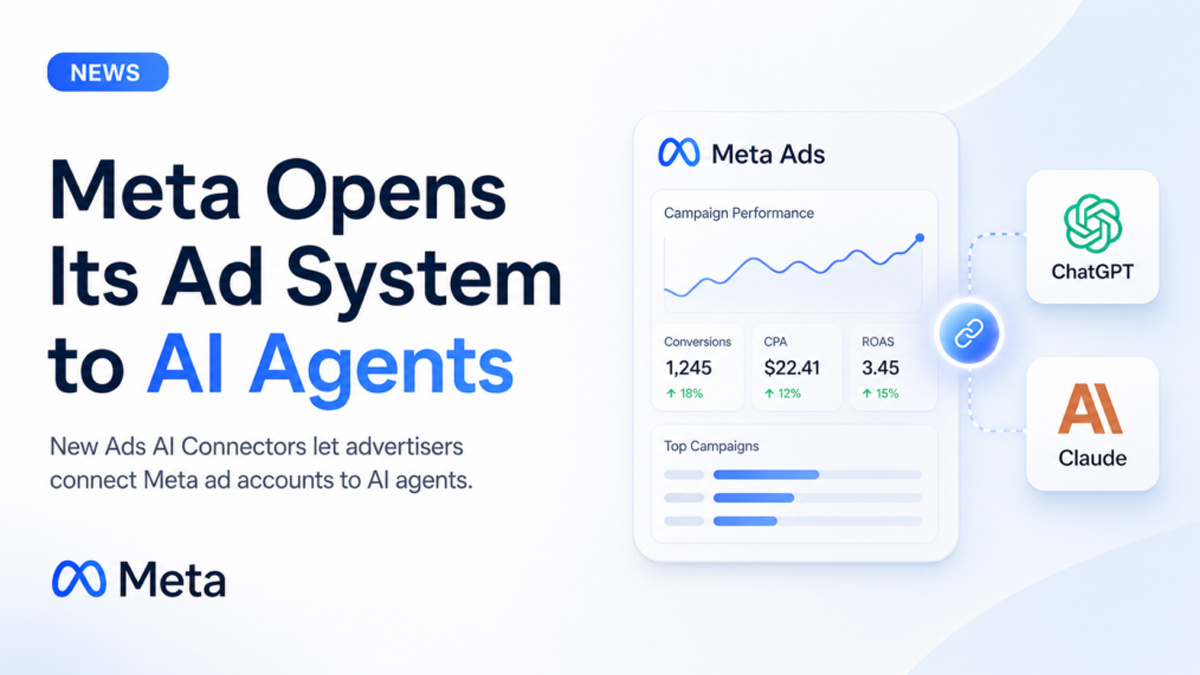
MUMBAI: If ads were once about gut feel, Meta now wants them run on autopilot with AI riding shotgun. The company has unveiled its Meta ads AI connectors in open beta, a move aimed at embedding campaign creation, management and analysis directly into the AI tools advertisers already use. The push reflects a broader shift in digital advertising: from platform-led workflows to AI-assisted, cross-tool execution.
At the heart of the rollout are Meta’s ads model context protocol (MCP) server and a command line interface (CLI), which together allow advertisers to securely link their ad accounts to AI agents. The promise is straightforward real campaign data, not generic prompts, powering decisions across workflows.
The connectors are designed to streamline multiple layers of campaign management. Advertisers can generate detailed performance reports, create and edit campaigns using natural language, manage product catalogues, and diagnose signal quality, all without leaving their preferred AI environment.
Meta is also leaning into ease of adoption. For MCP, the company says setup requires no coding, developer credentials or API integrations, positioning the tools as accessible for businesses of varying sizes and technical maturity.
The launch complements Meta’s existing AI business assistant within Ads Manager, which focuses on recommendations and troubleshooting inside the platform. The connectors, by contrast, extend that intelligence outward into third-party AI tools that marketers increasingly rely on for cross-channel planning and automation.
The underlying strategy is clear: instead of forcing advertisers deeper into its ecosystem, Meta is meeting them where they already work while still keeping its data and ad infrastructure at the core of decision-making.
As AI continues to reshape how campaigns are conceived and executed, Meta’s latest move signals a future where managing ads may feel less like operating software and more like having a conversation.