Brands
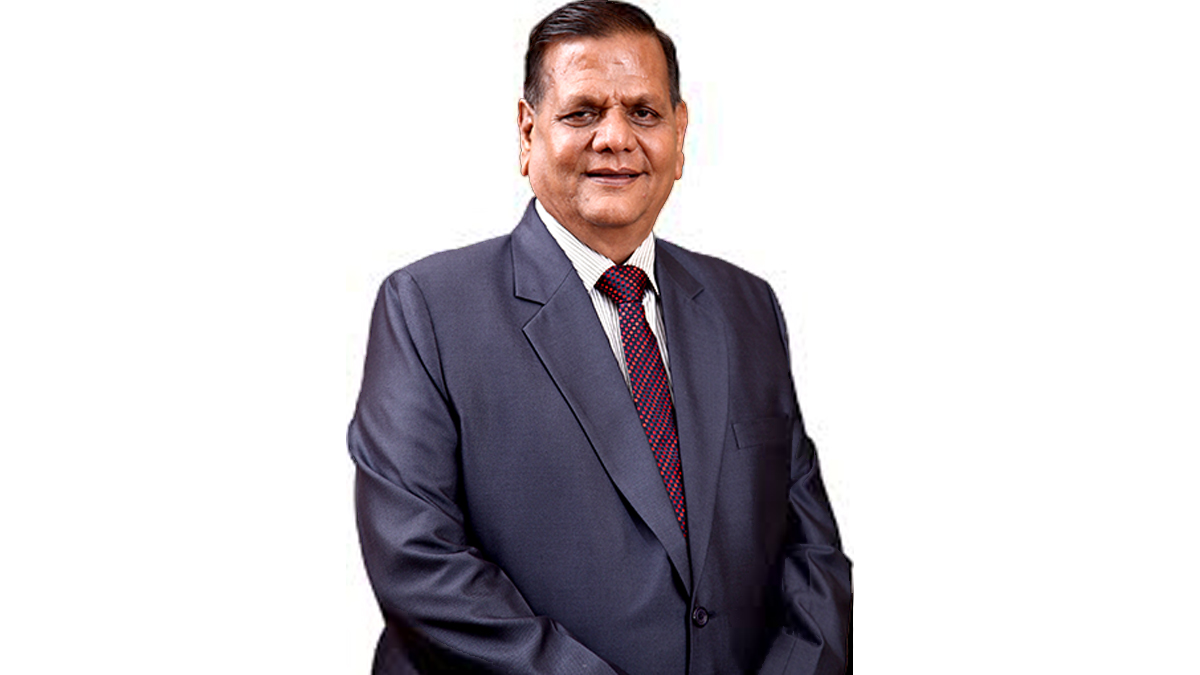
Shiv Ratan Agarwal, the man who built Bikaji Foods, passes away
The man who turned a Bikaneri snack stall into a global brand leaves behind a formidable legacy
RAJASTHAN: Shiv Ratan Agarwal, the founder, promoter, chairman and whole-time director of Bikaji Foods International, passed away on Thursday, April 23. His death was described by the company as an irreparable loss.
Agarwal built Bikaji from the ground up, transforming what was a traditional Bikaneri snacks business into an internationally recognised packaged foods brand. His formula was deceptively simple: keep the authentic taste, add modern business muscle. It worked. The company grew into a nationally and globally present force, listed on both the BSE and the National Stock Exchange.
The board of directors, management and employees of the company conveyed their deepest condolences to his family, calling his passing unexpected.
Bikaji was unequivocal about its intentions going forward. “The company remains committed to building upon the strong foundation laid by him and will continue to uphold and strengthen the goodwill of the Bikaji brand by carrying forward his vision, principles, and entrepreneurial ethos,” it said in a regulatory filing to the stock exchanges. The company added that it would strive to sustain its growth trajectory while leading a profitable and responsible business.
On the regulatory side, Bikaji informed the exchanges that Agarwal would cease to be classified under the promoter and promoter group category, in accordance with Regulation 31A(6)(c) of the listing regulations, following his demise.
He turned a snack into a stock market story. The question now is who carries the recipe forward.

Brands
Reliance Retail FY26 revenue rises 11.8 Per Cent to Rs 3.7 lakh crore
Q4 revenue up 11.1 Per Cent, hyperlocal orders surge 4x, PAT steady
MUMBAI: Reliance Retail isn’t just ringing up sales, it’s ringing doorbells faster than ever. Reliance Retail Ventures Limited (RRVL) reported a steady FY26 performance, with growth powered by store expansion, a sharp surge in hyperlocal commerce, and consistent traction across grocery, fashion and jewellery. For the full year, revenue rose 11.8 per cent year-on-year to Rs 3,70,026 crore. In the January–March quarter, revenue from operations climbed 11.1 per cent to Rs 87,344 crore, up from Rs 78,622 crore a year earlier.
Operating performance remained stable, with Q4 EBITDA inching up 3.1 per cent YoY to Rs 6,921 crore from Rs 6,711 crore. However, quarterly profit after tax held steady at Rs 3,563 crore. For the full fiscal, PAT grew 11.7 per cent to Rs 13,842 crore.
Expansion remained a key lever. RRVL added 1,564 new stores during FY26, while simultaneously scaling its digital and hyperlocal commerce play. The latter emerged as a standout, with daily orders surging more than fourfold year-on-year in Q4, underlining a clear shift towards faster, localised fulfilment.
In grocery, large-format stores maintained momentum, aided by festive demand and the expansion of Smart Bazaar, which crossed 1,000 stores. Promotional campaigns such as ‘Full Paisa Vasool’ delivered record results, with sales rising 26 per cent YoY.
Digital commerce also picked up pace. JioMart added 5.8 million new users in Q4, nearly doubling its registered base year-on-year. Hyperlocal orders grew 29 per cent sequentially and over 300 per cent annually during the quarter.
Fashion and lifestyle saw steady traction. Ajio recorded a 23 per cent YoY rise in average bill value, while fast-fashion platform Shein crossed 11 million app installs, scaling rapidly with expanding product lines.
The jewellery business added further shine, with average bill value jumping 53 per cent YoY, largely driven by rising gold prices and sustained consumer demand.
Commenting on the shift, RRVL executive director Isha Ambani said hyperlocal commerce has become a structural growth driver, with orders rising more than fourfold over the year.
Looking ahead to FY27, the company is betting on technology to deepen engagement. The focus, Ambani noted, will be on AI-led merchandising, sharper pricing strategies and disciplined execution turning scale into sustained customer value.
In short, the carts are fuller, the clicks are quicker, and the next phase looks less about reach and more about precision.