iWorld
IPRS expands music rights network with new hubs in Kohima and Delhi
India’s performing rights body is building a creator economy one IP hub at a time

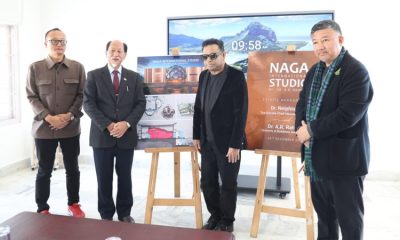
MUMBAI: India’s northeast has long made music. Now, for the first time, it has somewhere to protect it. The Indian Performing Right Society (IPRS) launched the Nagaland Music IP Hub in Kohima on March 21, 2026, at the Regional Centre of Excellence for Music and Performing Arts, a move that signals a sharp pivot from urban-centric rights infrastructure towards a genuinely national one.
Led by chairman Javed Akhtar and chief executive Rakesh Nigam, and built in collaboration with the Task Force for Music and Arts (TaFMA), the hub is a physical, on-ground support centre where creators can register their work, enrol as IPRS members, and get practical guidance on rights, royalties, and licensing. The presence of actor Shabana Azmi added cultural heft to the occasion, drawing national attention to the cause of protecting regional artistic heritage through formal rights mechanisms.
The Kohima launch was part of Season 3 of IPRS’s flagship pan-India initiative, My Music My Rights (MMMR), a creator-first programme aimed at demystifying the music business for lyricists, composers, and publishers. The workshop brought together Arpito Gope, chief consultant at TaFMA; Randeep Singh, manager at the Indian Record Manufacturing Company (INRECO); Sabyasachi Bakshi, senior manager at PDL; and Rumpa Banerjee, general manager for corporate communications and member relations at IPRS. The agenda covered music distribution, publishing, copyright, licensing, artist management, and live gigs, followed by expert-led sessions on artist branding and a deep dive into music rights and royalties led by Banerjee. A dedicated IPRS helpdesk handled on-the-spot membership enrolment and fielded creator queries in real time.
Six days later, the initiative landed in the capital. The My Music My Rights Creator Connect session in New Delhi on March 27, held at Lajpat Nagar in collaboration with Furtados, drew artists, composers, producers, lyricists, and independent creators for a session on the business of music. The panel featured Akshay Kapoor of Believe (distribution), independent artist Banjaare, Kshitij Gupta of Nupur Audios (label), and Shijin San, chief executive and co-founder of Blue Turtle (talent and events management), with Harsh Aghhi of SIR Gamma moderating.
The bigger picture is clear. IPRS is stitching together a nationwide Creator Connect ecosystem, decentralised access points backed by government bodies, music institutions, and industry stakeholders, that allows creators, wherever they are, to understand, protect, and monetise their work. The organisation is also turning its attention to thornier questions: the ownership of folk, tribal, and traditional music; the limitations of public domain frameworks; and the rapidly sharpening challenge of AI in music creation and rights management. These themes are expected to anchor IPRS’s programming around World Intellectual Property Day on April 26.
Separately, IPRS is spotlighting the growing influence of women leaders across the music ecosystem, figures who, the organisation argues, are not merely participating in the industry but actively redesigning it. Through initiatives such as Soundscapes of India and My Music My Rights, IPRS is pushing to ensure that folk, tribal, and contemporary traditions are not just celebrated but legally protected.
Music rights in India have long been an afterthought for many creators. IPRS is betting, hub by hub and city by city, that they need not remain one.