ITV News
Cleartrip appoints Pallavi Saxena as CMRO
Flipkart veteran to lead marketing and revenue growth for travel platform.

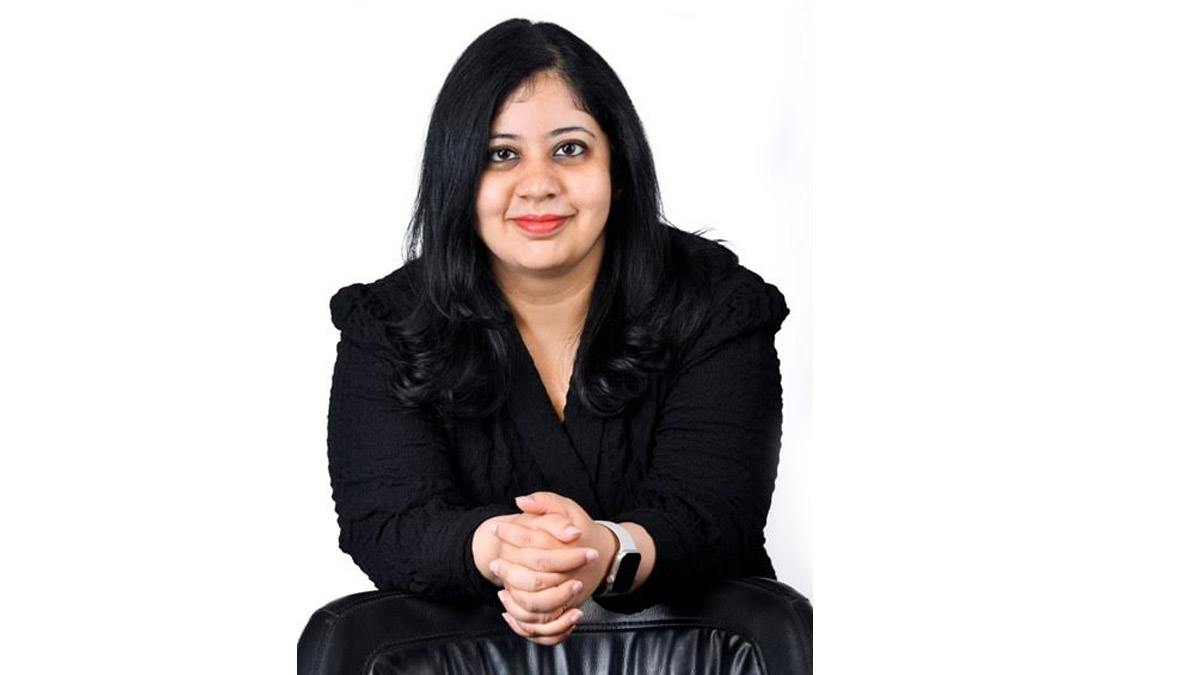
MUMBAI: Cleartrip just booked a marketing powerhouse because when your next flight needs sharper storytelling, you don’t settle for economy class leadership. Cleartrip, the Flipkart-owned online travel platform, has appointed Pallavi Saxena as its new chief marketing and revenue officer (CMRO). In her role, Pallavi will lead the company’s marketing and growth planning & insights functions.
Pallavi joins from Flipkart, where she spent over a decade scaling high-impact categories. Most recently she served as senior director heading marketing, revenue and customer growth for Lifestyle, bringing deep expertise in customer-first strategy, category building and data-driven growth planning.
Cleartrip, chief growth and business officer Manjari Singhal said, “Pallavi joining us comes at an important phase for Cleartrip. Having spent over a decade at Flipkart, she deeply understands the ethos of building at scale, moving with speed and staying customer-first, which is core to how we operate.”

Pallavi Saxena added, “Cleartrip is at an exciting stage of its journey. Travel is becoming more experience-led and more competitive, and that calls for sharper storytelling, stronger brand recall and smarter revenue strategy. My priority will be to build an integrated marketing and revenue engine that puts the customer first.”
The appointment arrives as Cleartrip continues to strengthen its position as one of India’s fastest-growing OTAs, backed by innovations such as Clearchoice Plus and Clearchoice Max, and a focus on end-to-end travel solutions across flights, hotels and buses.
In a travel market where every booking is a choice, Cleartrip isn’t just adding a CMRO, it’s adding the kind of fuel that turns journeys into stories worth sharing, one smart campaign at a time.




ITV News
Libas launches Gerua workwear brand with AI-led design
100 plus SKUs under Rs 2,500; targets young professionals with online-first range.

MUMBAI: Dressing for the job may soon start with data because Libas is letting AI pick the wardrobe. Libas has entered the workwear segment with the launch of Gerua, an AI-powered brand aimed at India’s growing base of young professionals. The move marks a strategic expansion for the ultra-fast fashion label as it looks to tap into shifting workplace dressing habits.
Gerua debuts as an online-first brand with a catalogue of more than 100 SKUs, spanning button-down shirts, kurta sets and structured suits. The pricing is positioned at the accessible end of the spectrum, with kurtas starting at Rs 499, kurta sets from Rs 999, and the entire range priced below Rs 2,500.
The brand is designed to address a familiar gap workwear that balances comfort, versatility and appropriateness for modern Indian workplaces. With younger employees entering diverse, less formal work environments, the demand for clothing that transitions seamlessly through the day is on the rise.
The launch is supported by a campaign titled “Outfit Sahi Toh Sab Sahi”, fronted by Anya Singh. The films draw on everyday office moments from quiet camaraderie to unexpected workplace situations suggesting that what one wears can subtly shape confidence and presence on the job.
Gerua’s positioning leans heavily on AI-led insights, with Libas aiming to anticipate trends rather than react to them. The approach reflects a broader shift in fashion, where data is increasingly informing design, inventory and consumer targeting.
Available on Libas’ website, app and leading e-commerce platforms, the new brand signals a clear bet, as workplaces evolve, so will wardrobes and increasingly, they will be built as much by algorithms as by aesthetics.