Connect with us

Brands

Tata Consumer Products highlights workplace bias with no repeat campaign

Women often repeat ideas to be heard; Tata campaign spotlights bias

Published

on

MUMBAI: In many offices, a familiar moment unfolds. A woman shares an idea in a meeting. The room nods politely, then moves on. A few minutes later, someone else repeats the same thought and suddenly it lands.

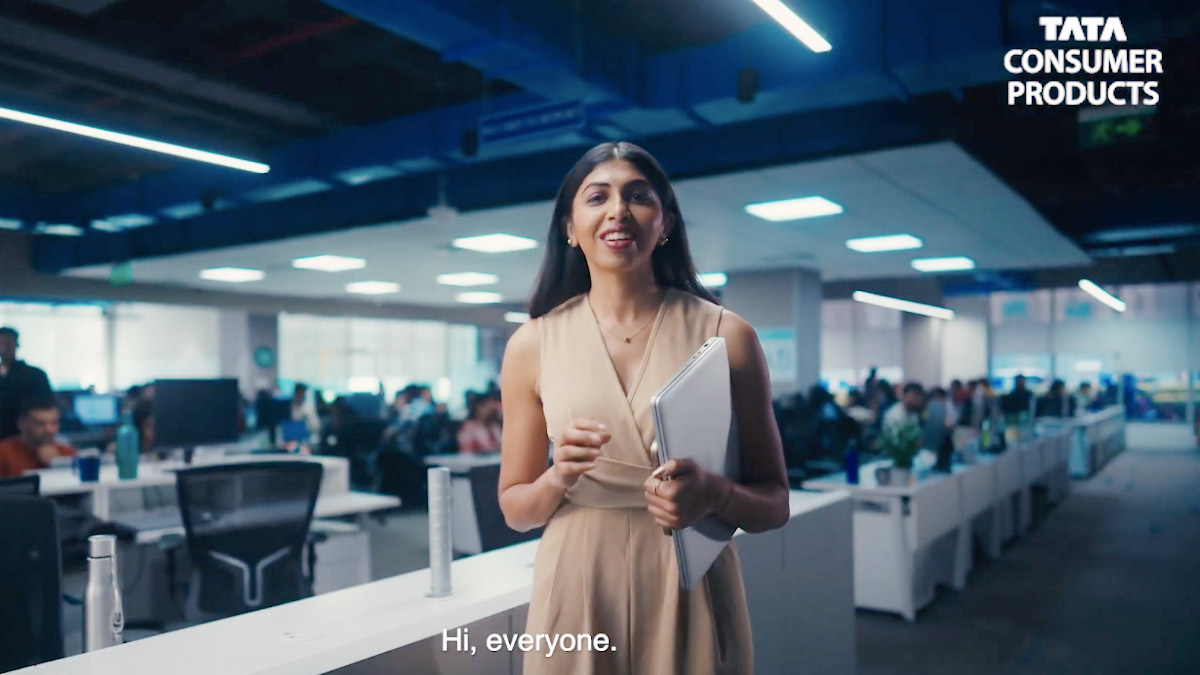
This International Women’s Day, Tata Consumer Products is drawing attention to that quiet but persistent workplace dynamic through TheNoRepeatCampaign, an initiative that highlights how often women must repeat themselves before their ideas are acknowledged.

Conceptualised by Schbang, the campaign centres on a mockumentary-style film featuring a corporate employee known simply as “Doobara”, which literally means “again”. The character symbolises the many women across workplaces who find themselves restating their ideas during meetings, brainstorms and presentations before they receive recognition.

Advertisement

The campaign is grounded in research that reflects a broader workplace pattern. According to McKinsey & Company’s Women in the Workplace 2024 report, 39 percent of women say they are interrupted or spoken over in professional settings. Research by Perceptyx in 2022 adds to that picture, with 19 percent of women reporting frequent interruptions and 42 percent saying it happens at least sometimes.

Tata Consumer Products head of corporate communications and investor relations Nidhi Verma, said the campaign aims to bring a commonly experienced but rarely discussed bias into the open.

“Workplaces thrive when every voice is heard the first time it speaks. With #TheNoRepeatCampaign, we wanted to shine a light on a bias that many women experience but rarely gets called out openly. By encouraging teams to listen more consciously and acknowledge ideas fairly, we hope to create environments where contributions are valued for their merit, not the number of times they need to be repeated,” she said.

Advertisement

The film cleverly mirrors the very behaviour it critiques. Through deliberate repetition in the storytelling, viewers experience the subtle frustration of having a point overlooked until someone else echoes it back to the room.

The initiative also ties into Tata Consumer Products’ internal SpeakUp culture, which encourages employees to share ideas and feedback openly while emphasising the shared responsibility of listening and acknowledging contributions.

Schbang president of solutions Jitto George, said the insight behind the campaign came from everyday workplace observations.

Advertisement

“The insight was simple but powerful. Many women have experienced moments where their ideas gain traction only after someone else repeats them. We wanted the storytelling to reflect that reality in a way that feels relatable, slightly uncomfortable and difficult to ignore. The mockumentary format helped capture that everyday dynamic while prompting viewers to rethink how conversations unfold in their own workplaces,” he said.

Aligned with International Women’s Day 2026’s theme, “Give To Gain”, the campaign underlines a simple message. When organisations give attention, acknowledgement and visibility to women’s voices, the entire workplace benefits.

After all, when good ideas are heard the first time, they do not need a second attempt.

Advertisement
Click to comment

Leave a Reply

Your email address will not be published. Required fields are marked *

Brands

Zomato film highlights bias faced by women delivery partners

International Women’s Day campaign shines light on everyday stereotypes

Published

on

MUMBAI: A food delivery may arrive in minutes, but the journey behind it can still carry a few outdated assumptions. This International Women’s Day, Zomato has released a new brand film that shines a light on the subtle but familiar biases faced by women delivery partners during their daily shifts. The campaign nudges viewers to rethink a simple idea that still surprises many people: a delivery partner’s ability has nothing to do with gender.

Instead of focusing on training for delivery partners, the film flips the perspective and gently turns the mirror towards society. Through a series of everyday moments, from collecting orders at restaurants to arriving at a customer’s doorstep, women delivery partners encounter reactions that many recognise all too well. Curious glances, surprised expressions and questions that hint at disbelief follow them along the route.

In a playful cinematic twist, the delivery partners break the fourth wall to address these reactions directly, offering light-hearted responses that quietly challenge the stereotypes.

Advertisement

The campaign also reflects a broader shift in India’s gig economy. As of February 2026, Zomato has more than 3,500 monthly active women delivery partners who collectively deliver over five lakh orders every month.

Eternal chief sustainability officer anjalli ravi kumar said building an inclusive platform economy requires both opportunity and acceptance. She said that as more women step into roles across urban last-mile logistics, the ecosystem around them must evolve to ensure they can work with confidence and dignity.

She added that enabling women to participate safely and comfortably in such roles is essential if India is to move closer to the goal of 70 per cent female workforce participation by 2047 under the broader vision of Viksit Bharat 2047.

Advertisement

Alongside the campaign, Zomato has been strengthening safety measures for women delivery partners. The company offers a 24 by 7 SOS emergency support system available in more than 800 cities, connecting partners to ambulance services, police and an internal response team when needed.

Women delivery partners also have the option to avoid certain delivery locations between 7 pm and 5 am if they feel unsafe. In addition, city-specific WhatsApp support groups in the top seven cities help women partners communicate easily, raise concerns and seek peer support.

For deliveries to hotels, lodges or guest houses, women partners can complete the order at the reception instead of going up to individual rooms. The delivery partner app also allows them to flag difficult or unsafe areas as black zones. More than 300 such zones have already been identified and temporarily marked unserviceable.

Advertisement

Through the film and these initiatives, Zomato hopes to spark a broader conversation about inclusion in the gig economy, one delivery at a time.

Continue Reading

Advertisement News18
Advertisement All three Media
Advertisement Whtasapp
Advertisement Year Enders

Copyright © 2026 Indian Television Dot Com PVT LTD

This will close in 20 seconds