Brands
Marico eyes gulf as digital brands set sights on Rs 4,000 crore by FY30
From vietnam to the middle east, marico bets big on digital-first growth

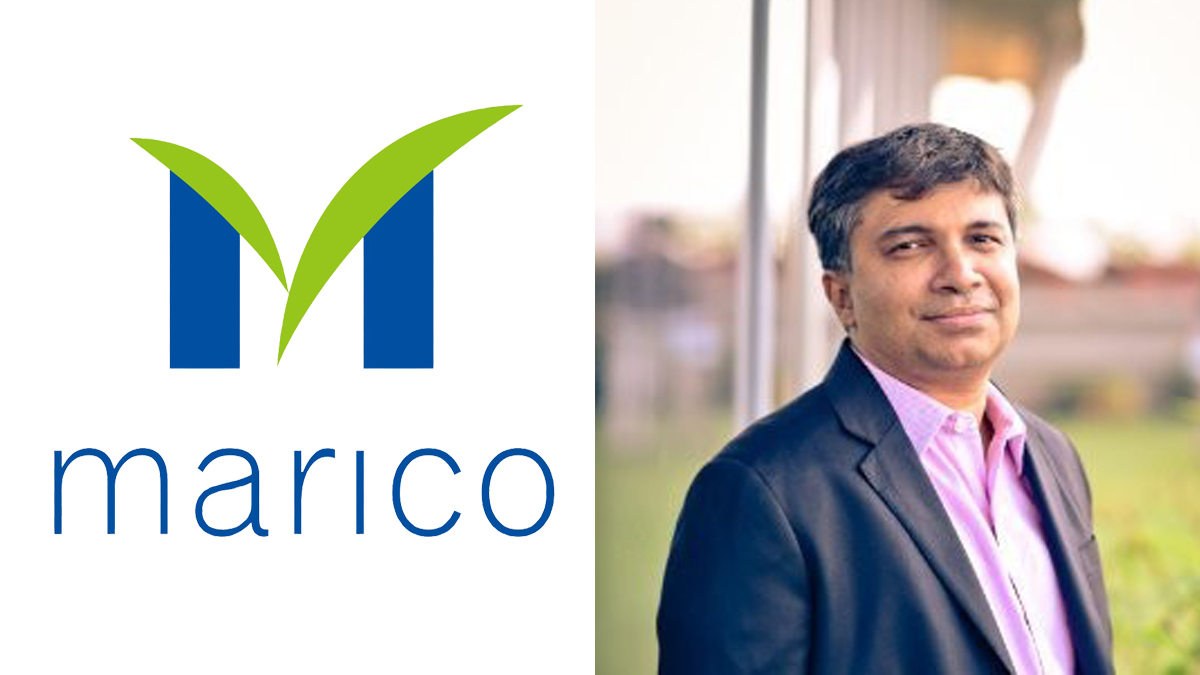
MUMBAI: Marico is gearing up to take its digital-first brands to the Gulf, targeting the United Arab Emirates and Saudi Arabia as it seeks a fresh wave of international growth.
The Mumbai-based consumer goods giant, famous for Parachute hair oil and Saffola edible oils, is riding the surge in smartphone use and e-commerce adoption in the region.
“In the Middle East, we are focusing on markets like the UAE and KSA, which rank among the world’s most connected,” said MD and CEO Saugata Gupta.
Marico has been sharpening its digital edge over the past eight years, scooping up six homegrown online brands including Beardo, Just Herbs, and Plix. Earlier this month, it boosted its Southeast Asian presence with a 75 per cent stake in Vietnam’s Skinetiq, home to the brand Candid, for Rs 261 crore. Altogether, these deals tally to around Rs 1,665 crore.
The strategy is already paying off. Beardo has grown fivefold since joining Marico, while plant-based nutrition brand Plix has expanded six times in two years and pivoted from pure nutraceuticals into hair and skin food, significantly improving profit margins. Functional wellness brand Cosmix, with an annual revenue run-rate of Rs 100 crore, targets the protein deficiency gap affecting 73 per cent of India’s population and boasts high-teen Ebitda margins.
Gupta said the company is now eyeing profitable brands with annual revenues of Rs 100–150 crore, a sweet spot that allows rapid expansion without heavy losses. Organic launches continue to add spice. In Vietnam, Marico rolled out Astroman and Lashe, aimed at men’s and women’s personal care, using a social commerce model that taps bloggers and influencers on platforms like TikTok. After navigating currency and demand challenges, Vietnam returned to 22 per cent constant-currency growth in Q3 FY26, with double-digit momentum expected to continue.
The company’s broader digital strategy is organised as a three-pronged digital chessboard: digital foods, digital personal care, and global digital brands. Gupta projects that Marico’s digital portfolio could collectively generate Rs 4,000 crore by FY30, while its new businesses are expected to contribute roughly 33 per cent of total India revenues in the same period.
To boost margins in competitive categories like food, Marico plans to leverage its institutional weight by cutting costs through centralised media buying on platforms like Meta and Google and using high-velocity supply chain capabilities. In the Middle East, the group intends to replicate its Indian success by bringing digital food brands to markets with high smartphone penetration.
With this blend of strategic acquisitions, organic launches, and operational know-how, Marico is clearly betting that its digital-first brands will power the next chapter of growth, beyond staples and across borders.






