MAM
Modified Your Bike? Here’s How It Can Affect Your Insurance Claim

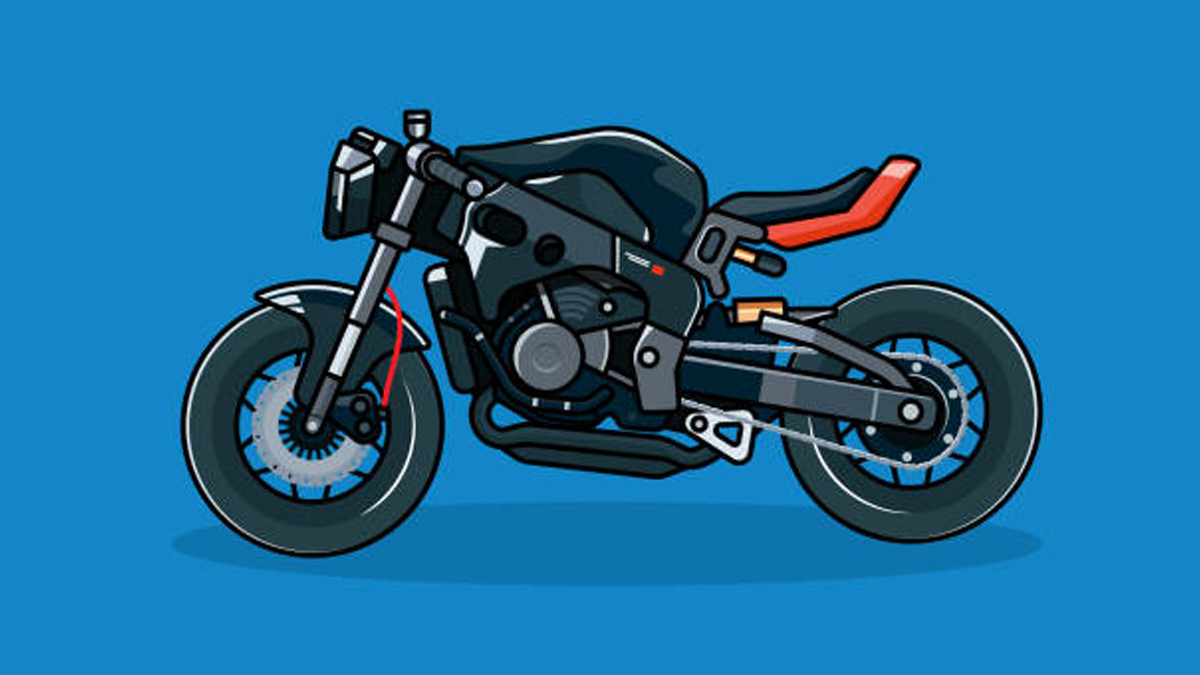
Customising your bike can be fun. A new exhaust, wider tyres, or a sharper look can make it feel truly yours. But for many riders, the excitement fades the moment they file an insurance claim after an accident, as it gets rejected. That shock usually comes down to one reason: the bike was modified.
If you have already modified your two-wheeler or are thinking about making changes, it helps to understand how bike insurance looks at these upgrades.
What Counts As a Bike Modification?
A bike modification is any change made to the bike after it leaves the factory. It does not have to be a big upgrade; even minor or cosmetic changes can be treated as modifications.
The following are some common examples:
● Aftermarket exhausts or silencers.
● Engine tuning or performance upgrades.
● Different tyre sizes or non-standard alloy wheels.
● Changes to the frame or body.
● Extra lights, horns, or electrical fittings.
● Cosmetic changes that affect the bike’s structure
Even if the bike feels better to ride or looks cleaner after a change, it may still affect how your insurance works.
Why Modifications Concern Insurers
When you buy bike insurance, the cover is based on the bike’s original design and make, like how the bike performs, how safe it is, and how much risk it carries.
Once you modify the bike, that picture changes. Handling may be different, braking behaviour may change and repair costs can increase. In some cases, the bike may no longer meet legal standards.
From an insurer’s point of view, undeclared modifications create problems such as:
● Risk that is higher or unclear.
● Difficulty in linking damage to standard parts.
● A possible violation of policy conditions.
This is why insurers expect full and accurate details about the bike when issuing or renewing a policy.
Common Reasons Claims Get Rejected For Modified Bikes
Here is why claims may be rejected:
● You did not inform the insurer
If you modify your bike without telling the insurer, it is treated as missing or hidden information. During inspection, these changes are usually noticed. This can lead to a reduced settlement or a complete rejection.
● The modification contributed to the accident
If the accident is linked to a modification, the claim may not be paid. For example, oversized tyres can affect balance and engine tuning can affect braking response. If the modification led or had a role in the accident, the insurer may not entertain the claim.
● The modification is illegal
Some changes are not approved under the Indian motor vehicle rules. For example, you added loud exhausts beyond permitted noise limits and if claims involve these illegal changes, they are generally rejected.
Does Comprehensive Bike Insurance Cover Modified Bikes?
Comprehensive bike insurance offers broader protection. It usually covers damage to your bike due to accidents, theft, fire, or natural events, as well as damage to a third-party property or vehicle. However, it does not automatically cover every modification.
Coverage depends on:
● Whether the modification is legal.
● Whether you declared it.
● The modification is officially recorded in your policy.
If the insurer knows about the modification, approves it and adds it to your policy, it can be covered. However, if the change is not reported or concealed, it may not be covered.
What to Keep in Mind Before You Modify Your Bike
Insurance policies are built around factory-approved designs and legal standards. Any change that alters the original setup should be shared with the insurer, as this helps avoid conflict and delays during claims.
If you are planning upgrades to your two-wheeler, talking to the insurer or learning about what will be covered and what will not helps.
Conclusion
Bike modifications can improve looks or performance, but they also bring insurance risks. Most claims are rejected not because a bike was modified, but because the changes were not disclosed or were not legal.
Before customising your bike, take a moment to see how it affects your bike insurance. That one step can save you from a rejected claim when you need financial support the most.