Connect with us

Brands

Bajaj Auto launches e-rickshaw Riki, aiming to reset last-mile mobility

Published

on

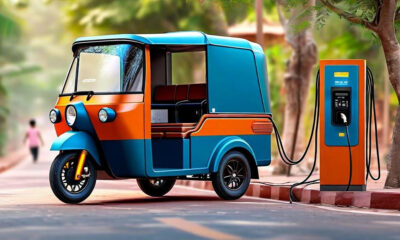
MUMBAI: Bajaj Auto has entered the electric rickshaw market with Riki, marking its most aggressive push yet into last-mile mobility. The world’s most valuable two- and three-wheeler maker claims the new line will raise standards in a category long plagued by unreliable range, weak chassis, poor braking and patchy service networks.

The segment has boomed since Covid, adding more than 45,000 vehicles every month as demand for cheap, last-mile transport grows across India’s commuter belts. Yet most offerings remain unorganised, often leaving drivers with low uptime, spiralling maintenance and compromised safety.

Bajaj says Riki is engineered to correct that reputation. The first model in the P40 passenger series, the Riki P4005, offers a certified 149 km range, a monocoque chassis, independent suspension, hydraulic brakes and fast charging in 4.5 hours. It is priced at Rs 1,90,890 (ex-showroom).

Advertisement

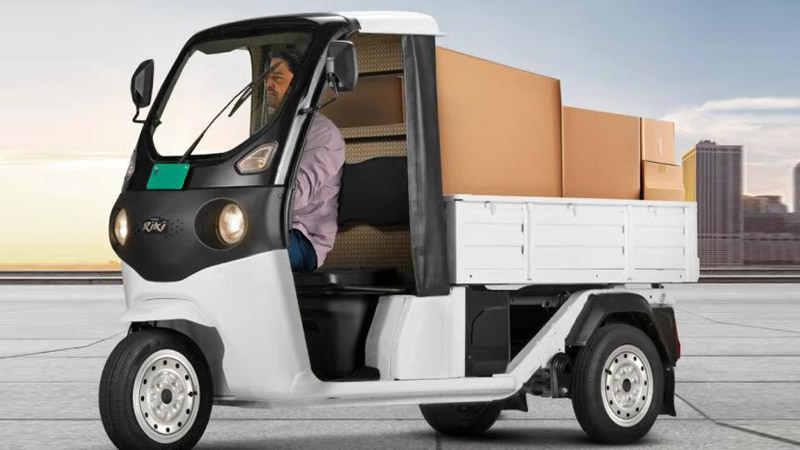
The cargo variant, the Riki C4005, delivers the category’s highest certified range at 164 km, a larger tray and 28 per cent gradability, pitched as a booster for driver earnings. It is priced at Rs 2,00,876 (ex-showroom).

Piloted in Patna, Moradabad, Guwahati and Raipur, Riki now rolls out to more than 100 towns across UP, Bihar, MP, Chhattisgarh and Assam.

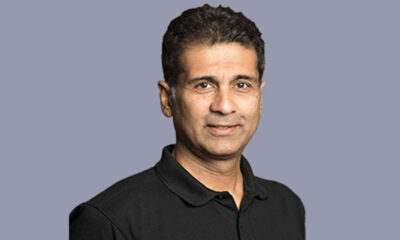
“Riki brings Bajaj Auto’s trusted 3W engineering into the electric segment at a time when drivers and passengers need dependable solutions,” said Bajaj Auto intra-city business unit president Samardeep Subandh. “It is engineered to lift driver earnings, improve comfort and make last-mile mobility more reliable.”

Advertisement
 
Click to comment

Leave a Reply

Your email address will not be published. Required fields are marked *

Brands

Devyani International Ltd plans three-subsidiary merger to streamline operations

QSR operator moves to streamline structure and unlock operational synergies

Published

on

Devyani International is tightening its corporate kitchen. The quick-service restaurant operator has approved a scheme to merge three subsidiaries—Sky Gate Hospitality, Blackvelvet Hospitality and Say Chefs Eatery—into the parent company in a bid to simplify its structure and sharpen operational efficiency.

The decision was cleared at a board meeting on March 10 and disclosed in a regulatory filing to the stock exchanges. The merger will take effect from April 1, 2025, subject to statutory approvals.

All three transferor companies are direct or indirect wholly owned subsidiaries, meaning no fresh shares will be issued and the shareholding pattern of Devyani International will remain unchanged once the scheme is completed.

Advertisement

The subsidiaries together operate more than 100 outlets—including dine-in restaurants and cloud kitchens, spread across over 40 cities such as Delhi NCR, Mumbai, Kolkata and Bengaluru.

Devyani International, the largest franchisee of Yum Brands in India, said the consolidation is aimed at generating operational synergies, optimising resource utilisation and reducing layers within the corporate structure.

Financially, the move brings together businesses of varying scale. As of March 31, 2025, Devyani International reported a net worth of Rs 10,381.02 million and turnover of Rs 33,493.33 million. Sky Gate Hospitality posted a net worth of Rs 761.14 million with turnover of Rs 2,657.57 million, while Blackvelvet Hospitality and Say Chefs Eatery reported smaller operations and negative net worth.

Advertisement

The merger will consolidate these operations under a single corporate umbrella as the company sharpens its focus on scale and efficiency.

Devyani International currently runs more than 2,000 outlets across over 280 cities in India, Nigeria, Nepal and Thailand. Its portfolio includes franchise rights for brands such as Pizza Hut, KFC, Costa Coffee, Tea Live, New York Fries and Sanook Kitchen, alongside its own food brands.

With the paperwork underway and approvals pending, Devyani is essentially clearing the corporate clutter—turning three subsidiaries into one tighter, leaner operation. In the QSR world, even the back office needs a spring clean.

Advertisement
Continue Reading

Advertisement News18
Advertisement All three Media
Advertisement Whtasapp
Advertisement Year Enders

Copyright © 2026 Indian Television Dot Com PVT LTD

This will close in 20 seconds