News Broadcasting
ET Now turns the spotlight inward with deeper shows and sharper year-end bets

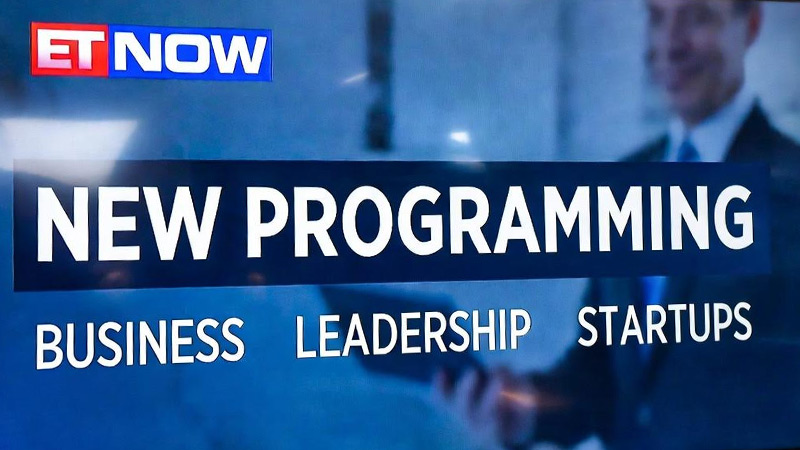
MUMBAI: When markets are noisy, ET Now is choosing to lower the volume and turn up the signal. India’s leading business news channel has unveiled an expanded programming slate that leans decisively into depth, data and decision-making, strengthening its pitch as a destination for serious business and market journalism. The new line-up includes All About Your Company, Deep Dive, BrandVerse and a three-week ET Now Year-End Programming 2025 package, each aimed at offering viewers clarity rather than clutter.
At the heart of the revamp is All About Your Company, airing on weekdays at 12.30 pm with a repeat at 6.30 pm. The format is deliberately tight: one listed company per episode, no distractions. The show moves methodically from business context to balance sheets, capital allocation and management intent, ending with a pointed conversation with company leadership. The idea is to help investors connect the story with the numbers, without the usual market noise.
Midweek analysis comes in the form of Deep Dive with Sajeet Manghat, airing Wednesdays at 3.30 pm with a repeat at 7 pm. As the name suggests, the show goes beneath headlines to examine the cause-and-effect mechanics shaping companies, sectors and the wider economy. By linking earnings, interest rates, policy shifts and global capital flows, Deep Dive is positioned as an early-warning system for investors looking to assess risk and positioning before trends fully play out.
Adding a cultural and commercial layer to the mix is BrandVerse, launching on December 16 and airing Tuesdays at 7 pm. As brands increasingly operate at the intersection of media, technology and culture, the show explores how storytelling, platforms and creativity influence consumer behaviour and business outcomes. With voices ranging from CMOs and founders to media executives and creative leaders, BrandVerse targets marketers, agency professionals and anyone curious about the business of influence.
Rounding off the slate is ET Now’s Year-End Programming 2025, a three-week special designed to decode the year that was and frame the year ahead. The first week focuses on global and domestic macro themes, including a deep look at India’s economy and a special on the year of IPOs. Week two shifts to markets, trade, commodities and geopolitics, while the final week zeroes in on mutual funds, sector performance and wealth creation themes likely to define 2026.
Taken together, the new programming reflects a clear editorial stance: fewer breaking banners, more considered thinking. By prioritising insight over immediacy and structure over spectacle, ET Now is sharpening its identity at a time when business audiences are looking for explanations, not just updates.