Connect with us

MAM

Four must-listen horror stories of 2025 you shouldn’t miss

Published

on

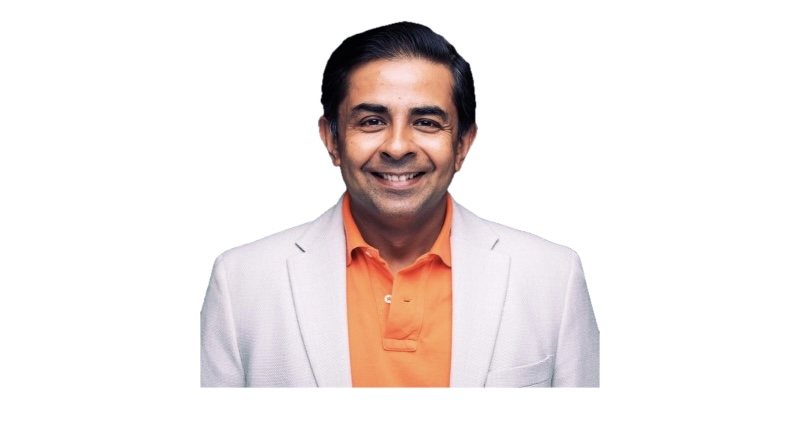
NEW DELHI: As 2025 wound down, India’s horror faithful knew exactly where their fear came from. In a year crowded with noise, celebrity storyteller Sudhanshu Rai cut through with voice-led terror that crept under the skin and stayed there. His audio stories did not rely on cheap shocks. They worked slowly, deliberately, turning everyday curiosity into something far more dangerous.

Leading the year was Darwaza Mat Khola, the most talked-about horror audio of 2025. Set against the stark isolation of a Jaisalmer film shoot, the story spirals from casual campfire legend to lifelong torment. A rumour of gold biscuits hidden inside a forbidden hut tempts a crew to break the rules. What they release refuses to leave. Its success lay in its chilling realism and a single, devastating truth: some doors are better left shut.

Close behind came Jo Dara Wo Mara, a psychological nightmare that toyed with fear as currency. Three friends mock a painter who claims to capture ghosts on canvas, only to discover a world where terror decides survival. In this universe, fear is fatal. The story struck a nerve in 2025 for listeners who preferred mental disintegration over jump scares.

Advertisement

Folklore took centre stage in Seetu, a slow-burning tale rooted in tribal belief and supernatural consequence. A businessman’s attempt to exploit forces he does not understand awakens a presence that demands retribution. Its blend of indigenous myth, greed and vengeance made it one of the year’s most lingering listens.

Rounding out the quartet was Ek Laash, the darkest descent of them all. A smuggler trading in corpses believes nothing can shock him, until a forbidden graveyard proves otherwise. Grim, oppressive and morally loaded, the story became a late-year favourite for those who like their horror unforgiving.

Together, these four stories defined Sudhanshu Rai’s grip on 2025. Indian settings, folklore-driven dread and psychological pressure replaced spectacle, reminding listeners that the most terrifying monsters respond to human greed and fear.

Advertisement

As the year fades, one message echoes through the headphones: if this was 2025, the darkness ahead may be far worse.


Click to comment

Leave a Reply

Your email address will not be published. Required fields are marked *

Brands

Maharashtra panel orders Lodha to refund Rs 5 crore to homebuyers

Consumer court flags unfair practices in long-running property dispute case

Published

on

MUMBAI: In a sharp rebuke to one of India’s biggest real estate players, the Maharashtra State Consumer Disputes Redressal Commission has directed Macrotech Developers to refund nearly Rs 5 crore to a senior citizen couple, Uttam and Anindita Chatterjee. The ruling, delivered on March 13, 2026, calls out the developer for “deficiency in service” and “unfair trade practices”, bringing closure to a dispute that has stretched over a decade.

The case traces back to 2015, when the couple booked a 3-BHK flat at World Towers in Lower Parel for Rs 12.22 crore, with possession promised within a year. What followed was a series of changes that complicated matters. After deciding to exit the project, they were persuaded to shift to a 4-BHK in another development priced at Rs 8 crore, with delivery scheduled for 2018. However, within months, the price was allegedly increased to Rs 10 crore. After demonetisation reshaped the market, similar flats were reportedly being offered at lower prices, but the couple were not given the benefit.

Despite paying over Rs 2.83 crore, the couple neither received possession nor clarity. Instead, in 2018, the developer unilaterally cancelled the booking, retained part of the amount as earnest money, and argued that the buyers were investors rather than consumers. The commission rejected this claim, observing that casual references to “investment” do not take away consumer rights when the purchase intent is residential.

Advertisement

The bench also held that the developer could not penalise buyers for payment delays while failing to meet its own delivery commitments. It noted the lack of formal documentation for revised terms and termed the prolonged retention of funds without delivering a home as exploitative.

As part of its order, the commission directed the developer to refund Rs 2.83 crore paid by the couple, along with interest at 10 per cent per annum, amounting to around Rs 2.12 crore. In addition, Rs 1 lakh has been awarded for mental agony and Rs 50,000 towards litigation costs, taking the total payout to over Rs 5 crore. The developer has been asked to comply within two months.

For now, the ruling serves as a reminder that in real estate, shifting terms and delayed promises can carry a significant cost.

Advertisement
Continue Reading

Advertisement News18
Advertisement All three Media
Advertisement Whtasapp
Advertisement Year Enders

Copyright © 2026 Indian Television Dot Com PVT LTD

This will close in 10 seconds