Brands
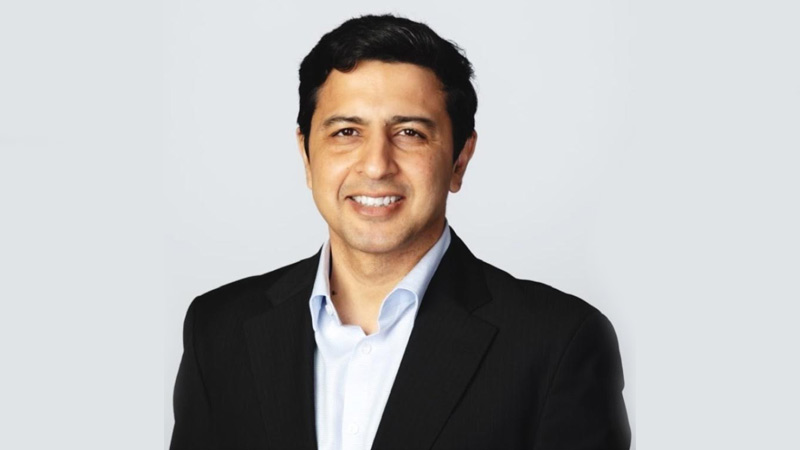
Saugata Basu appointed interim CEO of Castrol India
MUMBAI: Castrol India has tapped one of its own to steady the ship and steer ahead. Saugata Basu has been appointed interim chief executive officer with effect from January 1, 2026, while continuing in his current role as wholetime director and head of B2C sales. With the move, Basu has been redesignated as wholetime director and interim CEO.
For Castrol, this is less a leap of faith and more a well practised hand on the steering wheel. Basu is a Castrol lifer in the truest sense, having spent over two decades across sales, marketing, strategy and leadership roles in India and overseas.
Since joining the board as wholetime director in April 2022, Basu has played a central role in driving Castrol India’s consumer business. Before that, he served as vice president B2C, building momentum across categories and channels in an increasingly competitive lubricants market.
His leadership journey stretches well beyond Indian shores. As managing director of PT Castrol Indonesia, Basu led the business for more than three years, followed by an earlier stint as country sales director at Castrol Philippines, where he carried full P&L responsibility and managed corporate governance for the bp group locally.
Basu’s career has also included global exposure in London as a global marketing project manager, where he worked on premium brand strategy and high profile international partnerships. Back home, he has led national sales teams, headed marketing for commercial vehicles, and helped Castrol secure leadership positions in both volume and value.
From management trainee in 1999 to the corner office in 2026, Basu’s ascent reads like a long, well planned drive rather than a sudden sprint. As Castrol India enters its next phase, the company has chosen continuity, experience and a leader who knows every bend in the road.

Brands
Flipkart completes reverse flip to India ahead of IPO
Walmart-owned e-commerce giant shifts domicile from Singapore to Bengaluru
MUMBAI: Flipkart has completed its restructuring to move its parent company from Singapore back to India, marking a key milestone as the Walmart-owned marketplace prepares for a potential initial public offering on Indian stock exchanges, ET reported, citing people aware of the matter.
The move, often referred to as a “reverse flip”, relocates the company’s legal home to India and aligns its corporate structure more closely with its largest market. It also clears an important regulatory step for Flipkart as it explores listing plans.
As part of the restructuring, several Singapore-based entities have been merged into Flipkart Internet Private Limited, which will now serve as the main holding company for the entire group.
The consolidation brings a number of major businesses directly under the Indian parent company. These include fashion platform Myntra, logistics arm Ekart, travel booking platform Cleartrip, healthcare marketplace Flipkart Health, and fintech venture Super.money.
Under the new structure, global investors including Walmart, Microsoft, SoftBank, and the Canada Pension Plan Investment Board will hold their stakes directly in the Indian entity rather than through an overseas holding company.
The redomiciliation required approval from the Indian government because Chinese technology company Tencent owns around a 5 to 6 per cent stake in Flipkart. Under Press Note 3, investments from countries sharing a land border with India require prior government clearance.
Flipkart had already secured approval from the National Company Law Tribunal in December. With the latest clearance from the central government, the company has now obtained all the regulatory approvals needed to complete the relocation, ET reported earlier.
Flipkart had originally shifted its holding structure to Singapore in 2011 to tap global capital more easily. However, as India’s capital markets have matured, several start-ups have begun returning their domiciles to the country ahead of public listings. Companies such as Razorpay, Groww, and Meesho have taken similar steps.
The company is now expected to move ahead with its IPO preparations and has begun early discussions with merchant bankers. According to people familiar with the matter, Flipkart could file its draft prospectus later this year, setting the stage for what may become one of the most closely watched listings in India’s e-commerce sector.
Flipkart has been majority-owned by Walmart since 2018, when the US retail giant acquired a 77 per cent stake in the company for $16 billion in one of the largest e-commerce deals globally.