eNews
Goa food & cultural festival 2026 begins

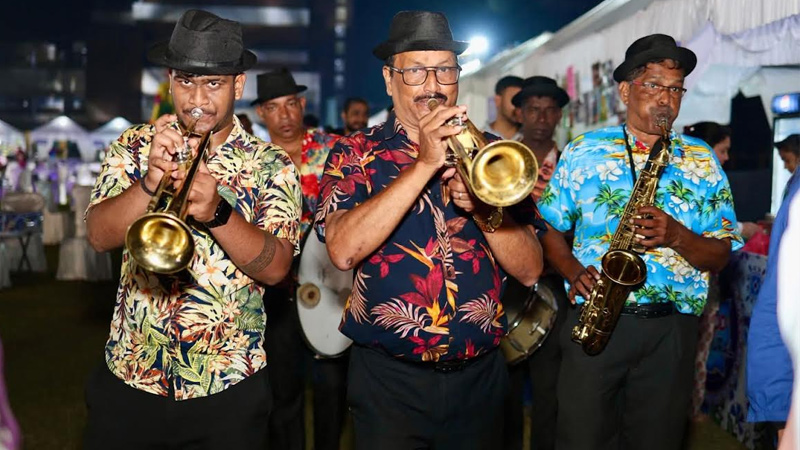
GOA: Margao lit up on Thursday evening as the Goa Food & Cultural Festival 2026 opened with a riot of flavours, folk rhythms and festival buzz, signalling a renewed push to sell the state beyond its beaches.
Held at the Margao Cricket Club’s Dr Rajendra Prasad Stadium, the three-day festival brings together Goan food traditions, live music and dance, and locally made products—stitched into a single, high-energy celebration aimed at residents and tourists alike.
The festival was inaugurated by tourism minister Rohan A. Khaunte, alongside Digambar Kamat, minister for PWD and captain of ports; Kedar J. Naik, chairman of the Goa Tourism Development Corporation; Ulhas Tuenkar, MLA from Navelim; Damodar Shirodkar, chairperson of the Margao Municipal Council; Kedar Naik, director of tourism; and Kuldeep Arolkar, managing director of GTDC.

Several local food and culture contributors, including Shubham Naik, Nilesh Shirodkar, Harish Deulker, Sudha Kudalkar and Vishwas Chari, were felicitated for their work in keeping Goa’s culinary and artistic traditions alive.
Addressing the gathering, Rohan A. Khaunte said the Margao edition marked the festival’s second outing in the city and underlined Goa’s growing reputation as a food destination. From north to south, he noted, Goa’s kitchens reflect a diversity that allows visitors to taste the world while standing firmly on Goan soil.

Calling Goa a “creative capital” and, informally, a culinary one too, Khaunte said the state’s regenerative tourism model is designed to spread benefits widely. Every stall at the festival, he said, is run by Goans—from self-help groups to homegrown entrepreneurs—while local artists are given a prime stage to perform.
Digambar Kamat pointed to tourism’s role as a key economic driver, arguing that festivals such as this add depth and momentum to Goa’s tourism calendar. Strong visitor interest and high hotel occupancy, he said, underline how cultural events translate directly into economic activity.
For Kedar J. Naik, the festival is also personal. He recalled attending earlier editions at Miramar, noting that the event has long served as a launchpad for self-help groups and folk performers, helping preserve traditions while creating livelihoods.

Ulhas Tuenkar echoed that view, saying the festival’s core purpose is to empower local communities by turning skills—whether culinary or artistic—into income.
The opening night set the tempo with traditional dance by the Kanta Gaude troupe, followed by live performances from Anson, Chelsea & Jeliska Trio, Sonia Shirsat with her band, and LYNX. Food stalls, craft counters and handmade products did brisk business, blurring the line between culture and commerce.
Part of the tourism department’s ‘Goa beyond beaches’ push, the festival runs until January 25, with more music, food and local colour lined up. Goa is not just hosting a party—it is making a point.