News Broadcasting
Govt. seems agreeable to main pay channels coming within Rs 200: Mukerjea

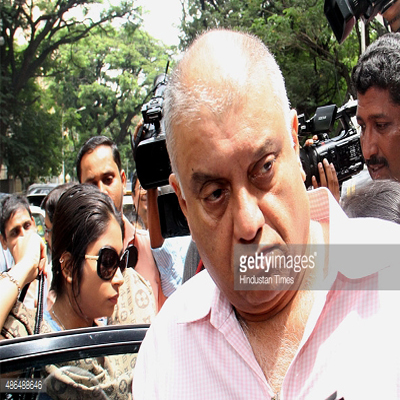
NEW DELHI: The Indian government is not averse to the idea if the main channels, including the sports and entertainment ones like Star Plus, Zee TV, Sony, Star Sports, etc, being priced within Rs 200, while the rest can come at an extra cost.
This was indicated to Star India CEO Peter Mukerjea during a meeting he had today with additional secretary (broadcasting) in the information and broadcasting ministry, Vijay Singh.
Pointing out that on Monday a meeting with broadcasters would be held on CAS, Singh said that if the main channels come for Rs 200, it would be okay with the government. If the hint is to be taken then the pay channels would price themselves accordingly, though there seems to be some resistance from broadcasters to come out with a la carte price for pay channels.
Still, Mukerjea told indiantelevision.com, “Star will come back with a pricing that is better explained for its logic and would have to be lower than what they are because the Prime Minister has said that he would like CAS to be consumer-friendly. If he has said so, we will have to do something (with the price).” We that the price of Star channels may work out to something between Rs 35-40 “depending on the number of boxes that are there in the market.” So, it’s the boxes that are important.
Earlier, talking to journalists a relaxed Mukerjea took on the cable operators and critics of the prices that were conveyed sometime back by Star, Sony and ESPN-Star Sports, which was described by the I&B ministry secretary as a “non-serious offer”.
Saying that “people with limited intelligence” could not understand the logic behind the price, Mukerjea said that what the cable ops did was to add up all the a la carte prices and tom-tom it as being too high. “The prices have been misread and we would come back in a few days time with a better interpretation of the prices suggested,” he added.
According to Mukerjea, the pricing, supported by Sony, Star and ESS, was based on the fact that those who would buy a la carte would not buy all channels and those who would buy all channels would buy the bouquets or the tiers. “Either way, the viewers stands to gain,” he added.
He also said that in the earlier pricing Zee had been included with all Zee channels totaling up to Rs 60, but now “talks are being held with Mr. Jawahar Goel” in this regard.”
His main message seems to be that the pricing suggested through various tiers need to be better explained to the industry, government and conveyed properly to the consumers.