MAM
Essel launches Itz Cash to partner Playwin
MUMBAI: Another innovative product comes out of the Essel group.
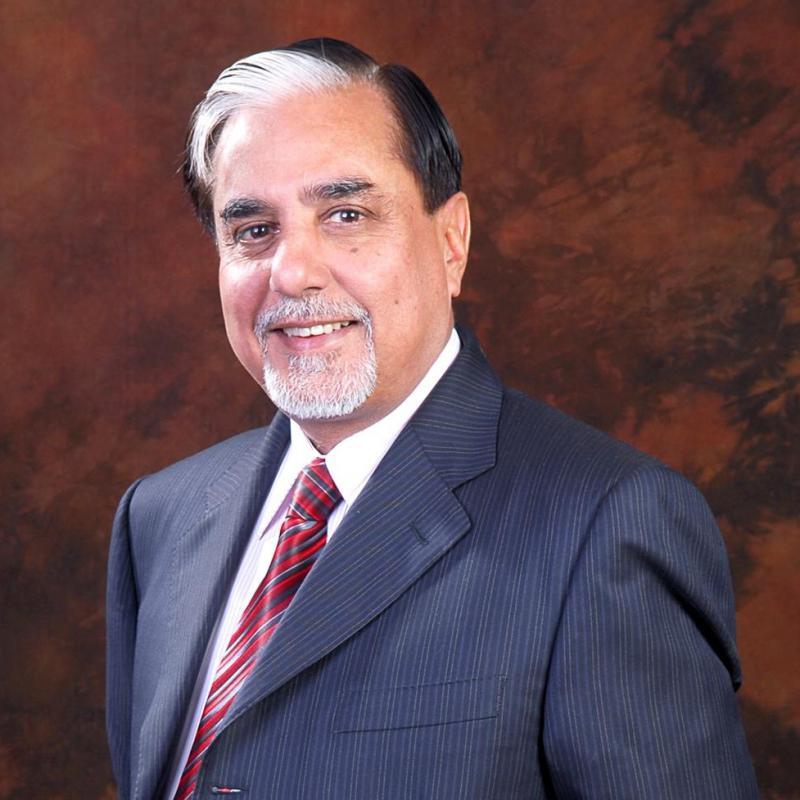
The Subhash Chandra led company which spawned the money spinning online lottery venture in the country, Playwin, has floated another product that will not only entice introduce a payment mode for applications like shopping online, surfing the net , making overseas calls but also to play Playwin games by calling from a telephone or cell phone.
Itz Cash, launched by a Essel company Intrex India recently, has made a quiet entry in the market, supported by a radio and print campaign and easy availability at all pre-paid cellular outlets and Playwin terminals in Mumbai. While the product basically attracts cell phone users (chiefly the SEC A and B consumers, who have thus far shunned online lottery) into playing the fortune games, allowing them to play Super Lotto, Thunderball and Max Lotto, the company has also tied up with Orange to enable consumers to play Super Lotto via SMS.
The compnay has also tied up with Rediff.com to induce online viewers into using the stored value card for online shopping and with HCL Infinet for enabling payment for buying and renewal of Internet connections.
According to the official Itz Cash website, the parent company Intrex India Limited is a public limited company incorporated in 2000 by the Essel Group, set up wit to play a revolutionary role in the financial services industry. Intrex, says the site, has set up two innovative businesses within the span of two years of its operations – the Intrex Trade Exchange and ITZ Cash.
ITZ Cash introduces multipurpose stored value cards of various denomination (Rs 100, Rs 250 and Rs 500) which can be used to purchase various goods and services from affiliated merchants based on an ‘anywhere, anytime’ concept. This, the company aims, will offer an opportunity to various business organizations to sell their product and services to consumers.

Brands
33 per cent of women believe the salary scale is rigged: Naukri report
Voices @ Work study finds rising calls for equal pay audits and lingering bias
MUMBAI: Progress may be visible in India’s workplaces, but many women still feel the need to tread carefully. A new report by Naukri reveals that one in two women hesitate to disclose marriage or maternity plans during job interviews, worried that such information could influence hiring decisions.
The findings come from the second edition of Naukri’s annual Voices @ Work International Women’s Day report, titled “What Women Professionals Want.” Drawing insights from more than 50,000 women across over 50 industries, the survey sheds light on evolving workplace aspirations alongside the biases that continue to hold women back.
One of the report’s most striking insights is the growing demand for equal pay audits. The share of women calling for regular pay parity checks has climbed to 27 per cent this year, up from 19 per cent a year ago. The demand now stands alongside menstrual leave as the most sought after workplace policy.
Interestingly, the call for pay transparency grows louder higher up the income ladder. Nearly half of women earning between Rs 50 lakh and Rs 1 crore annually say equal pay audits are a priority, suggesting that pay gaps become more visible as women move up the career ladder.
At the same time, confidence and ambition appear to be rising. About 83 per cent of women say they feel encouraged to pursue leadership roles, a significant jump from 66 per cent last year. Cities in southern India appear particularly supportive, with Hyderabad leading the way as 86 per cent of respondents there reported encouragement to step into leadership positions. The education sector recorded the highest sense of encouragement at 87 per cent.
Yet the report also highlights a growing trust deficit around pay equity. Nearly one in three women, or 33 per cent, say they do not believe men and women are paid equally at their workplace. That figure has risen from 25 per cent last year, pointing to widening perceptions of disparity as careers progress.
Bias in hiring and promotions continues to be the biggest hurdle. About 42 per cent of respondents say workplace bias is the main challenge for women from diverse backgrounds. The concern is consistent across major metros, with Chennai and Delhi NCR reporting similar levels.
Reluctance to discuss personal milestones during hiring processes is also widespread. While 34 per cent overall said they hesitate to share marriage or maternity plans in interviews, the anxiety increases with experience. Among professionals with 10 to 15 years of work experience, the figure rises to 40 per cent.
Info Edge group CMO Sumeet Singh, said the data reflects both progress and unfinished work. “Behind every data point in this report is a woman who is ambitious. The fact that 83 per cent feel encouraged to lead is something to celebrate. However, the fact that one in two still hide their marriage or maternity plans in interviews tells us the work is far from done. As India’s leading career platform, it felt not just important but necessary for us to shine a light on these gaps through the second edition of our report,” he said.
The report suggests that while ambition among women professionals is growing, structural changes around pay transparency, fair hiring and supportive policies will be key if workplaces hope to keep pace.