High Court
Kerala HC directs ESS to share feed with DD
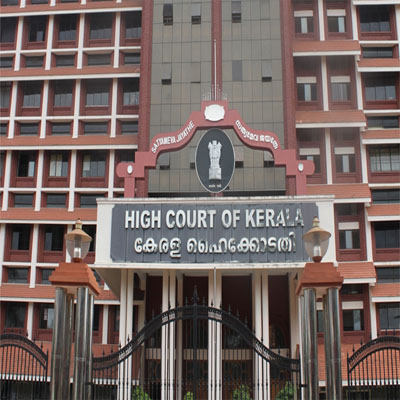
MUMBAI: In a ruling on similar lines to one laid down earlier this year by the Supreme Court in the Ten Sports Vs Doordarshan case, the Kerala High Court today directed the national broadcaster to telecast the one-day cricket series between India and Bangladesh beginning at Chittagong tomorrow.
The two-judge division bench division bench of Chief Justice B Subhashan Reddy and Justice Kurian Joseph, in an interim order also directed exclusive telecast rights holder ESPN Star Sports to share revenues at the ratio of 80:20, subject to such terms and conditions as may be prescribed by the Supreme Court in pending cases.
The Bench also made it clear that Doordarshan should exhibit the logo of ESPN and advertisements which ESPN has committed for the one-day series.
Reacting to the developments, ESPN Software India managing director RC Venkateish said the sports broadcaster was “aggrieved by the high court order”. “We will be moving an application in the Supreme Court challenging the ruling either later this evening or tomorrow morning,” Venkateish added.
On Monday, ESPN said it holds exclusive right to telecast the India-Bangladesh cricket series and was not willing to share its revenue with Doordarshan for telecasting the three one-dayers, the first of which starts in Chittagong on 23 December.
Senior advocate Rakesh Munchal, representing ESPN, had submitted before the Kerala High Court, that ESS was “not agreeable to revenue sharing”. ESPN would suffer a “huge financial loss” if asked to share its revenue with Doordarshan in the ratio of 80:20, Munchal had submitted.
In a ruling made in March during the historic India-Pakistan series, the Supreme Court had directed Ten Sports to make available its signal to DD. The apex court clarified in its order that Ten’s signal should be relayed by DD as is – complete with logo and all the advertising that the Dubai-based sports broadcaster had secured.
Ten had moved the SC in February after a Chennai high court ruled in favour of DD. The apex court, in an interim order in March on the eve of the first one-dayer between India and Pakistan, had directed that DD should relay Ten signals.
The court had also asked DD to deposit Rs 500 million with it as surety towards compensation payable, if any, to Ten Sports in regard to the dispute.

High Court
Bombay High Court questions AI celebrity deepfakes in Shilpa Shetty case
Justice questions legality of unconsented AI personas, platforms directed to respond.
MUMBAI: The Bombay High Court just put AI on the witness stand because when a chatbot starts chatting as Shilpa Shetty without asking, even the bench wants to know who gave permission. The Bombay High Court on Wednesday expressed serious concerns over the legality of artificial intelligence tools that simulate celebrity personalities without consent, during a personality rights suit filed by actor Shilpa Shetty.
Justice Sharmila Deshmukh, hearing the matter, questioned platforms that allow users to interact with AI-generated versions of actors without authorisation. The court noted that one accused AI chatbot website continued using Shetty’s personality without permission, prompting the judge to ask about the legal basis for such operations.
When the lawyer for the AI company argued that the system relied on algorithms and did not require celebrity consent, Justice Deshmukh challenged the platform’s right to recreate and make public a person’s identity in this manner. She observed that while users uploading photographs raised one set of issues, AI systems generating content based on recognised personalities posed distinct legal and ethical questions especially when the platform itself acknowledged the content was not real.
The court directed the platform to file a detailed response explaining its position.
The case involves Shetty seeking restrictions on more than 30 platforms including e-commerce websites and AI services accused of hosting or enabling misuse of her image and circulation of deepfake content.
The Bench also raised concerns about Youtube commentary videos discussing the ongoing proceedings involving Shetty and her husband, questioning whether unverified discussions could malign parties without journalistic checks.
Counsel for Google, Tenor and the AI entity informed the court that flagged infringing URLs had been removed. Shetty’s team disputed this, leading the court to allow her to file an application alleging non-compliance if links remained active.
Tenor objected to the broad injunction sought, arguing it functions as an intermediary GIF platform without capacity for proactive monitoring. The court directed Tenor to file an affidavit opposing the order.
E-commerce platforms including Amazon stated they had removed unauthorised listings using Shetty’s name and image, and would continue to act on specific notifications.
The court reiterated that directions for intermediaries would operate on a “take-down on notice” basis, requiring removal of infringing content once flagged.
As deepfakes blur the line between real and rendered, the Bombay High Court isn’t just hearing a case, it’s asking the bigger question: in the age of AI avatars, who really owns your face?