MAM
Kesari Golden Sugar strikes a sweet chord with a catchy jingle

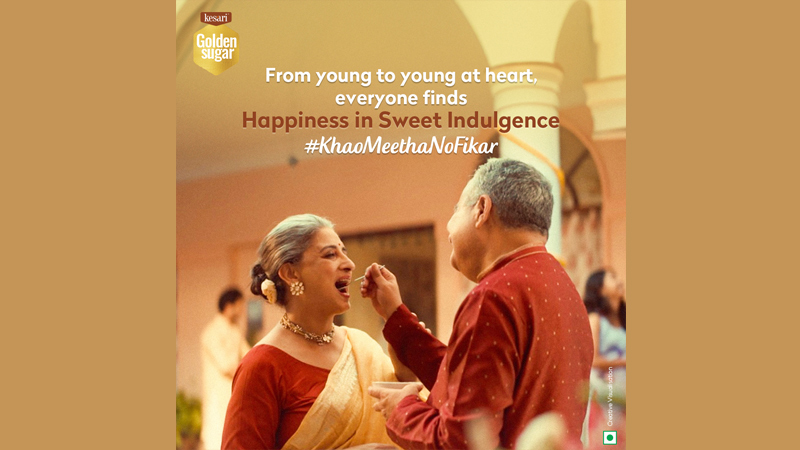
Mumbai: Tatva Health and Wellness, one of the leading food company’s brands Kesari Golden Sugar (KGS) is hitting all the right notes with its latest jingle, harmonising the joy of sweetness with a healthier you. Picture this: a catchy tune, vibrant visuals, and a message that resonates – Kesari Golden Sugar, the ultimate solution for your sweet cravings while prioritising your health.
In the world of sugar and spice, Kesari Golden Sugar adds the perfect melody, delivering a symphony of taste and wellness in one. The jingle encapsulates the essence of KGS – a natural, golden sugar that keeps you humming through your day, without the sugar blues.
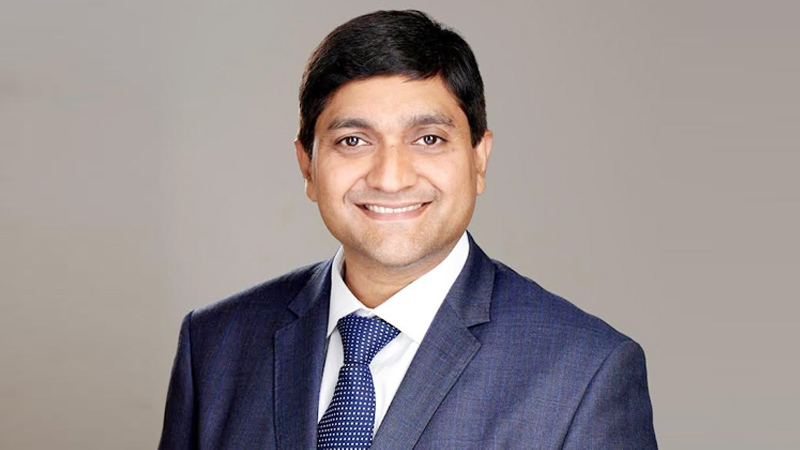
Tatva MD Sachin Jain shared his excitement, “We believe in transforming the way you enjoy sweetness. With Kesari Golden Sugar, you get to relish the sweetness you love, while taking care of your well-being. Our jingle encapsulates this message, making your sweet journey a delightful melody.”

This catchy jingle embodies the soul of Kesari Golden Sugar, conveying the message loud and clear: You can have your sweet moments, sing along, and still prioritise your health.
Kesari Golden Sugar focuses on providing its customers with natural and healthy sugar with a low glycemic index (GI). Unlike regular sugar, Kesari Golden Sugar is made using Nucane technology that preserves the essential nutrients of sugarcane. This unique Kesari Golden Sugar has a beautiful golden hue, a rich flavor, and a low GI index, making it an ideal choice for those who want to keep their blood sugar levels in check. Since there are no chemicals used, this is a perfect sugar for the whole family.
Kesari Golden Sugar is unrefined, unbleached, and contains no additives or preservatives. It is a healthier alternative to regular sugar and can be used in the same way in all your favorite recipes, including coffee, tea, baking, and cooking. Moreover, it is an excellent source of energy and is loaded with antioxidants and minerals that can boost your immune system.
For a taste of this melodious sweetness, visit www.kesarisugar.com today and let Kesari Golden Sugar compose the soundtrack of your sweet life.
The products were recently launched in Bangalore, Chennai, Hyderabad, Delhi and Mumbai. The brand further plans to expand its presence in other states soon.



Brands
Samsung India elevates Aditya Babbar to lead mobile business
Exec takes charge of MX sales and marketing after Raju Pullan’s exit
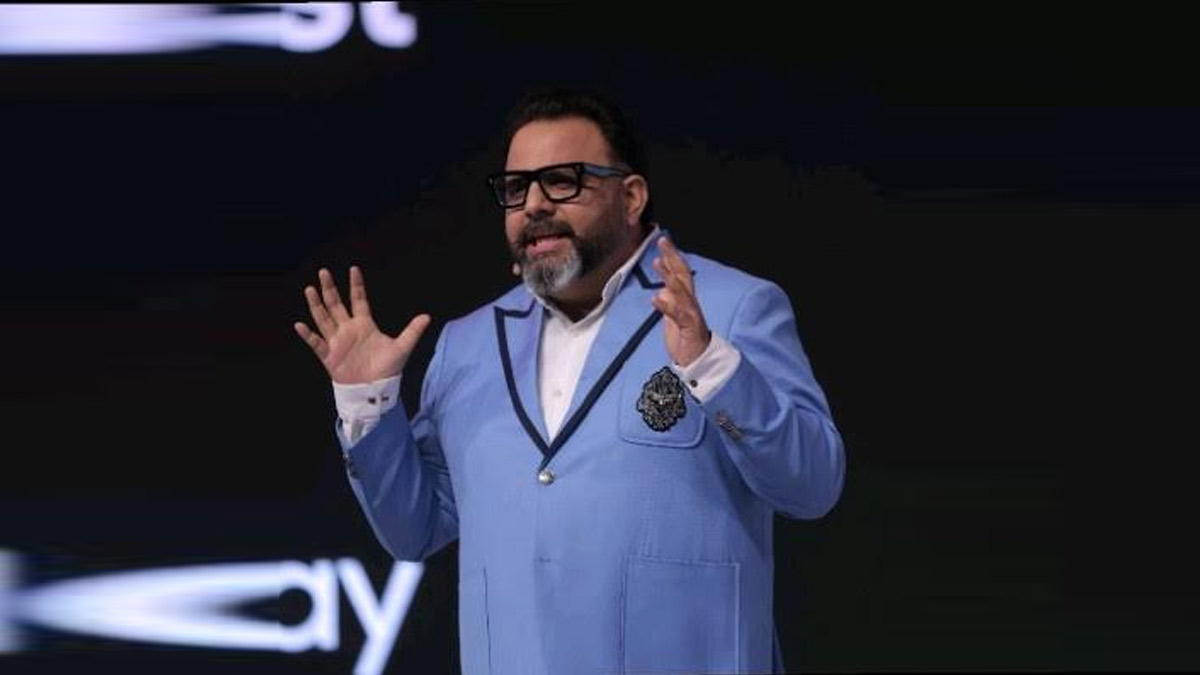
NEW DELHI: Samsung India has elevated Aditya Babbar to lead its mobile phone business, following the exit of Raju Antony Pullan.
Babbar, who previously served as vice president within the mobile division, has been appointed head of sales and marketing for the MX (mobile experience) business, effective May 1. In his new role, he will oversee the company’s sales and marketing operations for smartphones and related categories in India, reporting to the executive vice president of the MX business.
A long-time Samsung executive, Babbar brings over a decade of experience within the organisation, having held multiple leadership roles across product, marketing and category management. Most recently, he led product marketing and e-commerce for the mobile division, following earlier stints as head of product and marketing and senior director roles.
His career within Samsung Electronics and its India operations has also included responsibilities for flagship devices, tablets and wearables, giving him a broad view of the company’s premium and mass-market portfolio.
Babbar succeeds Pullan, who stepped down from the role, marking a leadership transition at a time when India remains a key battleground for global smartphone makers.
The appointment signals continuity within Samsung’s leadership bench, with an internal candidate stepping up to steer one of its most critical business units in a highly competitive market.