MAM
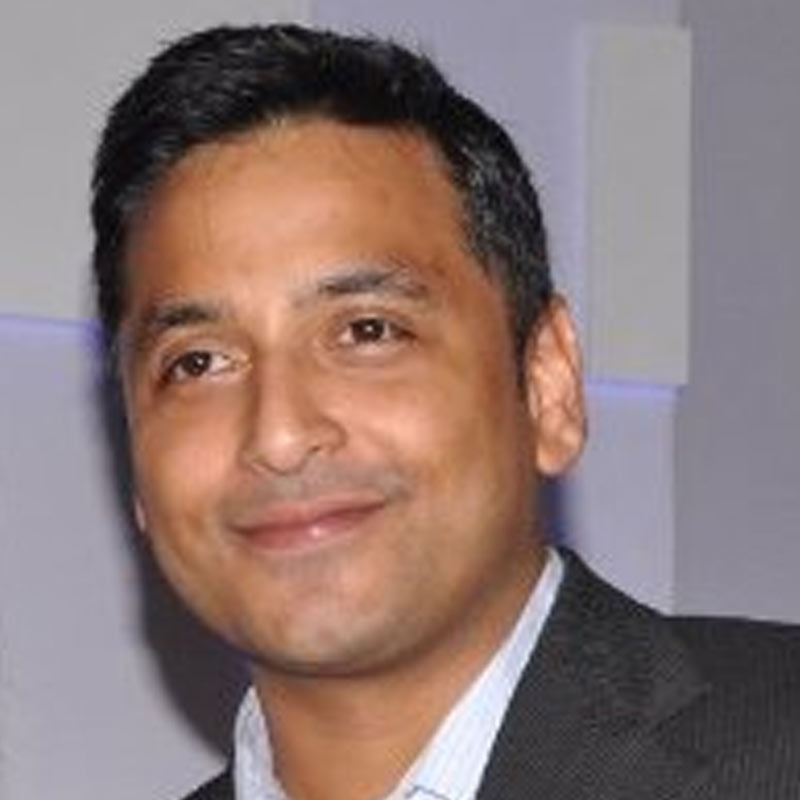
Top level corporate shuffling at WorldSpace; Deepak Varma new MD
MUMBAI: WorldSpace India Private Ltd., the company that is running WorldSpace satellite radio in India, has appointed former IndusInd Media & Communications head Deepak Varma as its new managing director.
Varma takes on responsibility at WorldSpace India from KR Harish, who will continue with the organization, now assuming broader corporate financial responsibilities as the CFO of WorldSpace’s Asia operations.
Varma will head the Indian operations of WorldSpace and lead the company through its planned multi-market rollout mapped for year 2005. He will be based out of Bangalore.
In his new role as CFO of Asian operations, Harish will drive the financial processes, internal control implementations related to US Sarbanes-Oxley requirements as well as financial planning for India and the additional markets in Asia where WorldSpace will offer its services.
“Taking over responsibility from KR Harish, I look forward to take WorldSpace to the next level in its growth plans in the coming years. I have only one goal at WorldSpace – to deliver the best of satellite radio to the largest number of satisfied subscribers”, says Varma as he embarks on his new assignment.
This announcement comes as WorldSpace is pursuing a multi-metro launch of its Indian service. As already reported by indiantelevision.com, WorldSpace Radio is ramping up its operations with the launch of two more stations. Simultaneously, a new marketing and advertising campaign also will hit the market.
As part of its expansion plans, the company is getting into new markets this year apart from strengthening sales, distribution and customer support network in the existing centres. WorldSpace kicked off its operations in Hyderabad in the first week of April and the next phases will cover Mumbai, Delhi, Pune, Ahmedabad, Chandigarh and Kolkata.

Brands
Hyundai and TVS Motor partner to develop electric three wheelers
Joint development pact targets last mile mobility with localisation push
MUMBAI: Three wheels, one big ambition and a charge towards the future. Hyundai Motor Company and TVS Motor Company have signed a joint development agreement to co-create electric three-wheelers (E3Ws), aiming to crack India’s complex last-mile mobility puzzle. The collaboration moves beyond concept talk into execution mode, building on the E3W prototype first showcased at the Bharat Mobility Global Expo 2025. The goal now is clear, design, develop and commercialise a purpose-built vehicle tailored to Indian roads, riders and realities.
Under the agreement, Hyundai will lead design and co-development, bringing its global R&D muscle and human-centric engineering approach to the table. TVS Motor, meanwhile, will anchor the product on its electric platform, leveraging deep three-wheeler expertise and local market insight. It will also handle manufacturing and sales in India, with an eye on exports down the line.
The timing is strategic. India remains the world’s largest three-wheeler market, where affordability, durability and adaptability often outweigh sheer innovation. The upcoming E3W aims to strike that balance combining advanced technology with practical features such as adaptive ground clearance for monsoon-hit roads, improved thermal management for tropical climates, and flexible interiors suited for passengers, cargo or emergency use.
A key pillar of the partnership is localisation. Major components will be sourced and manufactured within India, a move expected to strengthen the domestic supply chain, create jobs, lower costs and improve after-sales support.
The shift from prototype to production will involve rigorous testing, certification and refinement to meet regulatory standards and consumer expectations. Dedicated cross-functional teams from both companies are already in place to accelerate timelines.
At a broader level, the tie-up reflects a growing trend in mobility, global players partnering with local specialists to navigate emerging markets. For Hyundai and TVS, the bet is that combining scale with street-level insight could unlock a new chapter in sustainable urban transport, one that runs not just on electricity, but on relevance.