MAM
Nokia, Sony Ericsson introduce new models

MUMBAI: Mobile phone manufacturer majors Nokia and Sony Ericsson have launched fresh models in the market. While Nokia unveiled three new CDMA handsets during the annual Nokia Connection event in Singapore, Sony Ericsson has launched five models including a 3G high-data speed phone.
Simultaneously, in India, Nokia has announced the launch of seven new mobile phones for the fourth quarter beginning October.
The models Nokia has introduced in the global market are the High-tier sliding Nokia 6265, entry-level folding Nokia 2255 and entry-level Nokia 2125. The Nokia 2125 is expected to be available during the third quarter of 2005, while the Nokia 2255 and Nokia 6265 are expected to be available during the fourth quarter of 2005.
The high-tier Nokia 6265 camera phone delivers a 2 megapixel imaging sensor in a modern sliding design. The model packs an extra-large 240 x 320 pixel display, 2 megapixel camera with LED flash (effective resolution 1.92 megapixels), digital music player, Bluetooth wireless technology and miniSD card support into a compact sliding design that measures a mere 22 mm thin.
Nokia 2255 is engineered to deliver reliable wireless performance at an entry-level price point while not forgetting the importance of a compelling design and a strong feature set. The very compact Nokia 2255 includes a bright 128 x 128 pixel 64K color display with user selectable ‘themes’, downloadable MIDI ringtones and even an integrated FM radio.

The entry-level Nokia 2125 features a compact design with metallic trim to accentuate its classically designed form. Only 21.5 mm thick and weighing in at 85 grams, the Nokia 2125 features a 64K color screen, hands-free speakerphone and an integrated flashlight — an attractive balance of size, price and feature set.
The models Nokia has launched in India are Nokia 6280, Nokia 6265 and Nokia 6270. According to Nokia, 6280 will be the slimmest and lightest feature-rich gizmo from the company thus far. NokiA 6265 features a 2 megapixel camera with LED flash, 2.62 lakh colour resolution, a MP3 music player. Nokia 6270 – is a quadband slide phone that too offers a two- megapixel camera with flash and landscape mode and a MP3 and AAC supportive music player along with stereo speakers for what Nokia calls 3D sound effects.
Sony Ericsson’s in its turn has unveiled J210, Z520, K608, W600 and S600. The J210 is a basic, entry model for those who want mainly simple functions like making calls and writing messages. The W600 is a version of its Walkman music phone for at North American users.
The Sony Ericsson S600 offers extensive features such as two stereo speakers, media player, Internet browsing, horizontal full screen video and three-dimensional games, as well as 1.3 Megapixel camera with 64 Megabytes memory.
The Z520 model is a mobile phone that wraps multiple high-tech features inside. With this model, Sony Ericsson is targeting fashion-conscious female consumers. K608 supports all the major operators’ 3G services, including video conferencing and fast downloads of music, games, videos and other multimedia content.





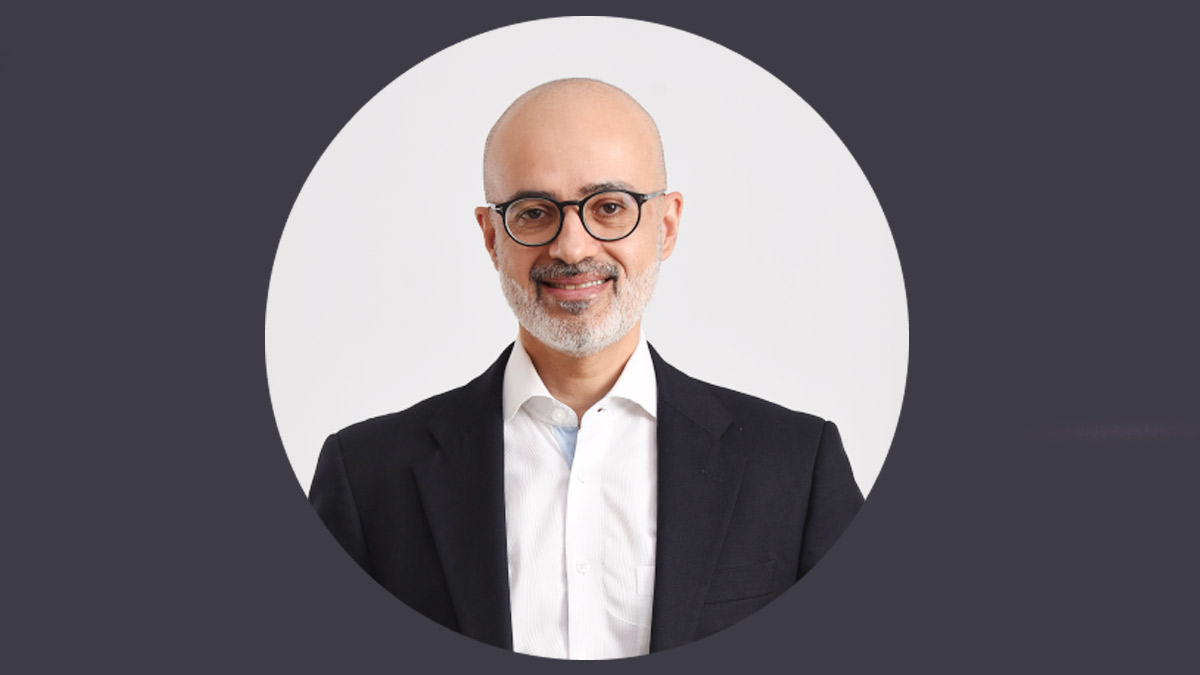
MUMBAI: In India’s fast-moving payments race, Visa has just swiped in a new leader. The company has named Suresh Sethi as its India country head, marking a key leadership shift as it sharpens its focus on digital payments growth in the market. Sethi steps into the role following his recent exit from Protean eGov Technologies, where he served as chief executive officer. He succeeds Sandeep Ghosh, who has moved on after more than four years at Visa to pursue an external opportunity.
The appointment comes at a time when Visa is doubling down on its expansion strategy across India and the wider region, deepening partnerships and accelerating adoption in an increasingly competitive digital payments ecosystem.
Sethi brings with him a broad, cross-market perspective shaped by decades of experience across corporate banking, retail financial services, mobile money and large-scale government technology initiatives. He began his career at Citigroup, where he spent 14 years working across India, Africa, South America and the United States, focusing on transaction banking services within the corporate bank.
His appointment signals a blend of institutional experience and market familiarity qualities that could prove critical as Visa navigates a landscape where fintech innovation, regulatory evolution and consumer adoption are all accelerating at once.
As digital payments in India continue to scale rapidly, the leadership change underscores a simple reality, in a market where every tap, scan and swipe counts, who leads the charge can matter just as much as the technology itself.







