Cable TV
Frames debates the merits of the studio versus the independent filmmaker

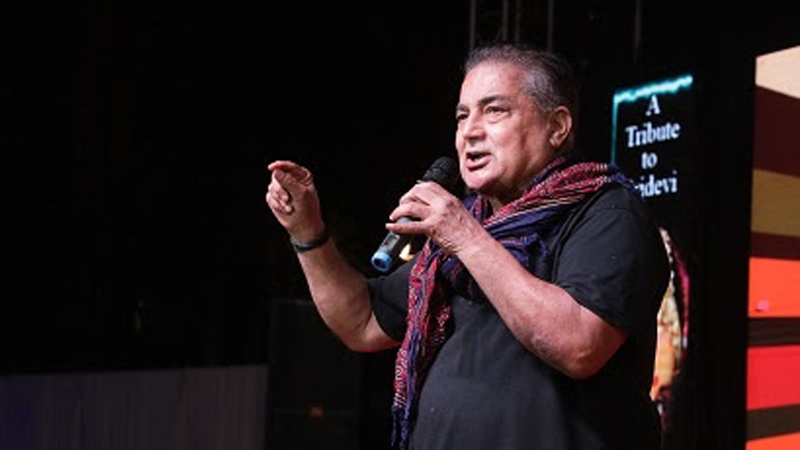
MUMBAI: The relationship between studios and independent filmmakers was a subject discussed at an afternoon session of Frames, the convention for the business of entertainment. The speakers were Sahara One CEO Shantonu Aditya, filmmakers Mahesh Bhatt,Govind Nihalani and Bobby Bedi and Adlabs Films chairman Manmohan Shetty.
Nihalani pointed out that studios and independent filmmakers have their strengths and both parties should look to work with each other. “Artistically released commercially successful films can be made.
Corporates should realize that creativity is equity. The independents should realize that money is as important as creativity. Studios should know that sometimes small risks pay off big time. That is because audiences like to be surprised.
“A studio basically operates on calculated budgets and big stars to secure an ROI. Scripts are chosen if a star is attached. This ensures a long run. An independent filmmaker, on the other hand, feels that an idea and a directors treatment of that idea is what creates value. Lavish sets, big stars add value. However, they do not create value. There is a way to bridge the two and both should realize that they need each other.”
This point was echoed by Shetty who noted that in the West independent filmmakers go the studio route to release their films. In India, there are studios like Yash Raj Films. However, important directors like Karan Johar still call the shots and studios chase them for the rights to distribute their films. “Reliance buying Adlabs means that more films will be made. Fortunately we have not suffered any losses till now.”
Bhatt spoke on the benefits and challenges of being an independent filmmaker. “Movies that do not have personal supervision of an idea are doomed to fail. One does not only make movies. You need passion and religious fervour. There is talk of delivery systems but you need to invest in ideas. Otherwise these systems will be parched of good content. It is important for a filmmaker to keep himself lean and thin. A studio executive unfortunately only understands a Shah Rukh Khan. He does not understand the value of an idea. I would argue that studios are victims of hype. An independent filmmaker, though, has to pay off any debts incurred. He cannot hide behind abstractions.”
Bedi said that indepdents are better incubators of ideas. “In the West studios do not incubate ideas as it is too expensive. An independent filmmaker approaches a studio with an idea. The studio then works that idea to a maturity level where one is able to confidently approach exhibitors.”
Aditya says that Sahara One has had success as it concentrates on its strengths of marketing and distribution. “We have made 14 films as projects. There have been start dates and finish dates. We have also spent quite a bit on marketing. We have worked in different genres. We picked up Page Three when nobody wanted to touch that film. At the same time, it is difficult to know which idea will work. We get 70 ideas a week. Of course, each presenter of the idea is confident in it. Once an idea is given the go ahead, we do not interfere with the creative process other than keeping a check on how the work is progressing. The writer is given freedom.”