MAM
“Our marketing strategy is comprehensive and tailored for both B2B and B2C segments”: Greenpanel’s Arvind Joshi

Mumbai: Greenpanel is the foremost wood panel manufacturer in India, renowned for their top-quality medium density fibreboard (MDF), plywood, and flooring. With state-of-the-art facilities in Uttarakhand and Andhra Pradesh, the company prioritises innovation and sustainability.
They take pride in crafting exclusively from 100 per cent renewable agro-forestry wood, thus exemplifying their commitment to environmental responsibility.
As the largest MDF manufacturer in India and Asia, the company’s annual production capacity exceeds 6,66,000 cubic meters and their extensive network of over 3,000 plus outlets ensures convenient access to our premium products.
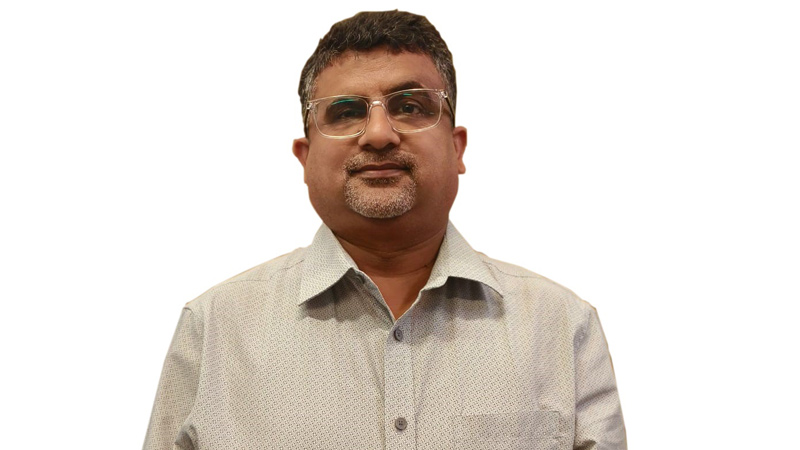
Indiantelevision.com caught up with Greenpanel Industries Ltd VP & head marketing Arvind Joshi, to know more about their key analysis and marketing strategies they conduct at the company and more…
Edited excerpts
On competitive analysis to understand how Greenpanel can differentiate itself in the market
We carry out competitive analysis via customer and dealer level control groups and through random surveys to understand consumer needs and gaps thereof.
To address these gaps, we have developed our products with international technology and innovation, at our state-of-the-art facilities in Uttarakhand and Andhra Pradesh. Our products are based on 100% renewable agro-forestry wood.
We have best in class product offerings such as HDWR, FRMDF, Club Plywood, Laminated MDF and Wooden flooring, for various applications, distinguishing Greenpanel as a versatile and comprehensive choice for our consumers.
On resources and budget allocated to support this marketing strategy
Our marketing strategy is comprehensive and tailored for both B2B and B2C segments.
Our core marketing objective is to maintain top of mind awareness and own the leadership position in the MDF category and be synonymous to MDF.
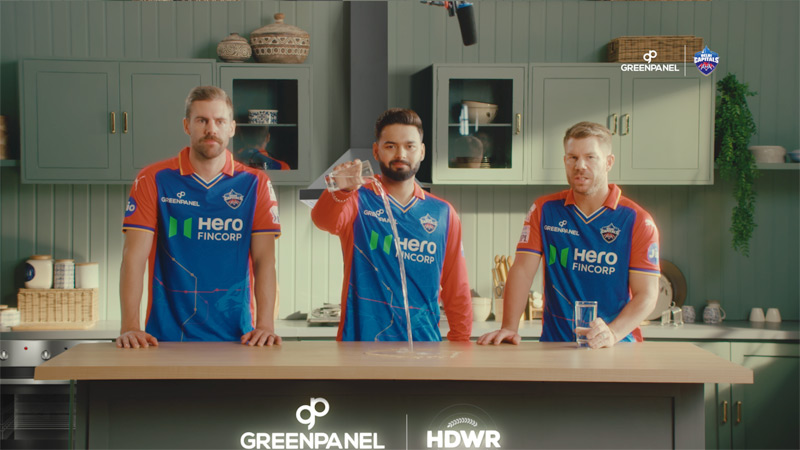
On the B2C front, we leverage TV Campaigns for driving reach and awareness, while utilizing News and sports as a medium to drive reach and frequency. We are the principal partners of IPL’s franchise team Delhi Capitals for next 3 years, we also strategically advertise during high-impact events, such as the ICC Cricket Men’s World Cup and IPL with placements on prominent OTT platforms like Jio, Hotstar, ensuring maximum consumer outreach.
On the B2B front, we carry out Branding and visibility drive at dealer touchpoints and do one to one interaction with architects to understand the pulse of the market. We also do pan-India meets with contractor and carpenters every month.
We also drive brand salience through new age platforms like Social Media, WhatsApp and other digital platforms.
This 360 degree approach to marketing, ensures that we stay relevant on top of the consideration set for our audience.
On Greenpanel ensuring that the marketing investments align with the company’s overall business strategy
Based on overall company’s business strategy, Marketing is certain percentage of company’s turnover, our objective is to create ample awareness and make Greenpanel synonymous to MDF.
At Greenpanel, we ensure that marketing investments are closely aligned with the overall business strategy through our “AIDA” approach. This strategy focuses on educating consumers, emphasising responsible product use, and showcasing the superiority of our product range.
With a robust demand outlook, we maintain a strong emphasis on MDF business, setting higher growth targets, and implementing a focused strategy to ensure that marketing efforts are in harmony with the company’s overarching business goals.
On particular emerging trends in the industry that you are targeting or monitoring
Certainly! The MDF industry is experiencing some interesting trends:
1. Customization and Personalization: One emerging trend in the furniture industry in India is the growing demand for customized and personalized furniture. Consumers are looking for unique pieces that reflect their individual style and preferences. In the MDF category, various design trends have started gaining prominence like:
a. CNC carving – which allows intricate and precise patterns, textures, and decorative elements to be carved into MDF boards
b. Designer finishes, where it mimics the look of natural materials like wood, stone, or metal.
c. MDF can also be carved into various mouldings, including crown mouldings, baseboards, and chair rails.
d. The smooth surface of MDF is perfect for painting and thin MDF boards are often pasted on top of plywood as a means to achieve even surface
2. New Housing Projects in New Cities: Indian government has initiated several housing projects and programs aimed at addressing the country’s growing housing needs and promoting affordable and sustainable housing for all. For example the ‘Smart Cities Mission’ has been launched to develop and transform existing cities into smart and sustainable urban centers.
3. Smart and Sustainable Designs: With the development of new housing projects in emerging cities, there is an increasing focus on smart and sustainable interior design. This includes the integration of smart home technologies, energy-efficient designs, and the use of eco-friendly materials. Developers and interior designers are catering to the demands of modern homeowners who value sustainability and convenience.
4. Online Retail and Virtual Showrooms: The furniture and interior design industry in India has been impacted by the rise of e-commerce. More companies are establishing an online presence, making it easier for customers to explore and purchase furniture and decor. Additionally, virtual showrooms and augmented reality tools are becoming increasingly popular, allowing customers to visualize how furniture will look in their homes before making a purchase.
On specific marketing channels or platforms are you planning to invest in to enhance industry visibility
To enhance industry visibility, we plan to invest in a diverse range of marketing channels and platforms that align with the unique aspects of the Indian market. Here’s how we intend to leverage these channels:
1. Cricket Sponsorship and Advertising:
Given that cricket is akin to a religion in India, we recognize its immense popularity and emotional connect with the masses. We are the principal sponsors of Delhi Capitals in Indian Premier League (IPL) which has enabled us to gain visibility for Greenpanel on air as well as on-ground. We are also advertising on new age OTT platforms like Hotstar for the ICC Men’s cricket world cup 2023 and maintain brand presence through on-ground visibility in bi-lateral cricket series as well.
2. Television Campaigns:
TV remains one of the most powerful mediums to reach a vast and diverse audience in India. We intend to run 2-3 peak campaigns every year on television. These campaigns are strategically timed to coincide with major events and festivals across the year, maximizing our brand exposure and impact.
3. Digital Marketing:
Recognizing the importance of the digital landscape, we adopt a Hero, Hub, Hygiene approach to our digital marketing strategy.
We develop standout, high-impact digital campaigns that capture attention and resonate with our target audience. Through various digital platforms we aim to maintain a consistent online presence, while continuing with digital hygiene by responding to customer queries and feedback promptly.
4. Below-the-Line (BTL) Marketing:
BTL marketing will be a continuous and strategic part of our promotional activities. We plan to maintain regular presence in all dealer touchpoints. This includes point-of-sale materials, in-store displays, and experiential marketing activities that reinforce our brand’s presence and influence purchase decisions at the point of sale. This continuous bombardment approach will help keep our brand top-of-mind for potential customers.