DTH
Adlabs to buy out Mukta stake in JV, pump in Rs 2 billion in twin-screen theatres

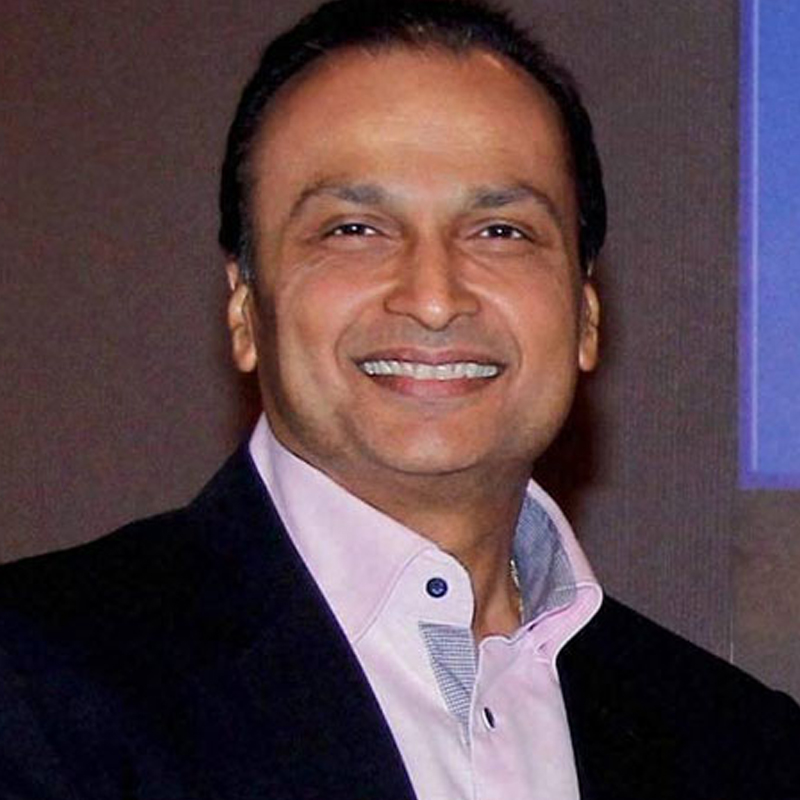
MUMBAI: Anil Ambani-controlled Adlabs Films Ltd is buying out Mukta Arts’ 50 per cent stake in the joint venture company, Mukta Adlabs Digital Exhibition.
As a step up in the plan, Adlabs is earmarking an investment of Rs two billion towards acquisition of 50 old cinema theatres for conversion into “twin screens.” Part of this investment will include the installation of digital projectors in these theatres.
“We are acquiring the entire stake of Mukta Arts. We will be investing Rs two billion to upgrade 50 cinema theatres and install digital delivery systems in them,” Adlabs Films chairman and managing director Manmohan Shetty tells Indiantelevision.com.
Adlabs and Subhash Ghai-promoted Mukta Arts had floated a joint venture company in 2003 for digital delivery of movies. Mukta Adlabs Digital Exhibition had invested around Rs 100 million but the company had been unable to make much headway with its technology which required a server and projectors to be installed in the theatres.
For buying out the stake, Adlabs has not paid any premium. “We have paid a little less than Rs 50 million which is the actual investments made by Mukta Arts. We didn’t want any partners as we were planning to integrate the twin-screen converted cinema threatres with the installation of digital projectors. We plan to have the 50 twin screen theatres in B-class stations over 3-4 years,” says Shetty.
Mukta Arts, however, is not abandoning the digital delivery of movies project. “We decided to part ways with Adlabs as our plans were different. Digital distribution of movies will be very much part of our plans as we are committed to technologies of the future,” says Mukta Arts CEO Ravi Gupta.
The new technology of digital projection through hard discs avoids the use of film prints, which costs between Rs 50,000 and Rs 60,000 to the distributor. It also enables audiences of “B” and “C” class centres to watch their favourite films on the first day itself, thereby making simultaneous worldwide release a possibility. The technology also combats against piracy.
Anil Ambani has big plans to deliver movies to cinema theatres through Reliance Infocomm’s fibre optic network. Having designs on launching a direct-to-home (DTH) service, he may also take the satellite delivery route for distribution of movies. “Even if the current delivery sytems are changed, digital projectors will be required in the fibre or the satellite system. Our plan is to aggressively install these projectors in the theatres which we are taking up for converting into twin screens,” says Shetty.