News Broadcasting
MTV, Microsoft launch digital music service Urge


MUMBAI: Media conglomerate Viacom’s unit MTV Networks, which brought in the music video fad, is foraying into new digital music service and will be competing with the music store of Apple Computer Inc’s iTunes, which has a strong dominance in the online music market.
The broadcaster has teamed up with Microsoft to launch the beta of a new online music service, called Urge, that will be integrated in Windows Media Player 11, which is set to make its debut on 17 May.
Offering more than two million songs from the major labels and thousands of independents, Urge will encompass all musical genres from alt-country to zydeco. In addition to a broad catalogue of music choices, Urge will deliver a deep well of exclusive MTV Networks programming and original, hand-crafted content.

Urge, the subscription and download music service, though not first in the market, can be purchased for 99 cents each or as full albums starting at $9.95. The service will also offer a two-week trial without requiring any commitment or credit card number, according to media reports.
The service also will offer unlimited downloads at a monthly rate of $9.95 or $14.95 for the ability to transfer songs to any or more than 100 compatible portable music players.
It has celebrity playlists, streaming radio stations, artist profiles and an increasing number of blogs. One can download billboard charts by genre and year, watch music videos, and explore music by genre.
MTV Networks’ music group president Van Toffler said, “Urge will serve as a ‘psychic concierge,’ introducing fans to new artists and helping them to develop a deeper connection to old favorites.”
“By combining our expertise in digital media with the music leadership and marketing savvy of MTV Networks, we have created a powerful and unique way to experience music. This landmark collaboration will bring innovative new experiences to millions of music fans,” said Microsoft media/entertainment and technology convergence group corporate vice president Blair Westlake.
“As with everything we do at MTV Networks, every element of Urge will be developed with our audience in mind. Beyond providing a simple transactional service, Urge will provide a musical playground where fans can experiment, customise, discover and download new music,” said MTV Networks chief digital officer Jason Hirschhorn.
Urge will be promoted through multiple venues, including the MTV, Vh1 and CMT channels, which on average collectively reach more than 165 million US viewers, as well as through the respective brands’ web sites and Urge.com.







News Broadcasting
CNN-News18 to air live counting day coverage for five state election results on May 4
The channel is rolling out its biggest election coverage machinery yet for results day on 4th May
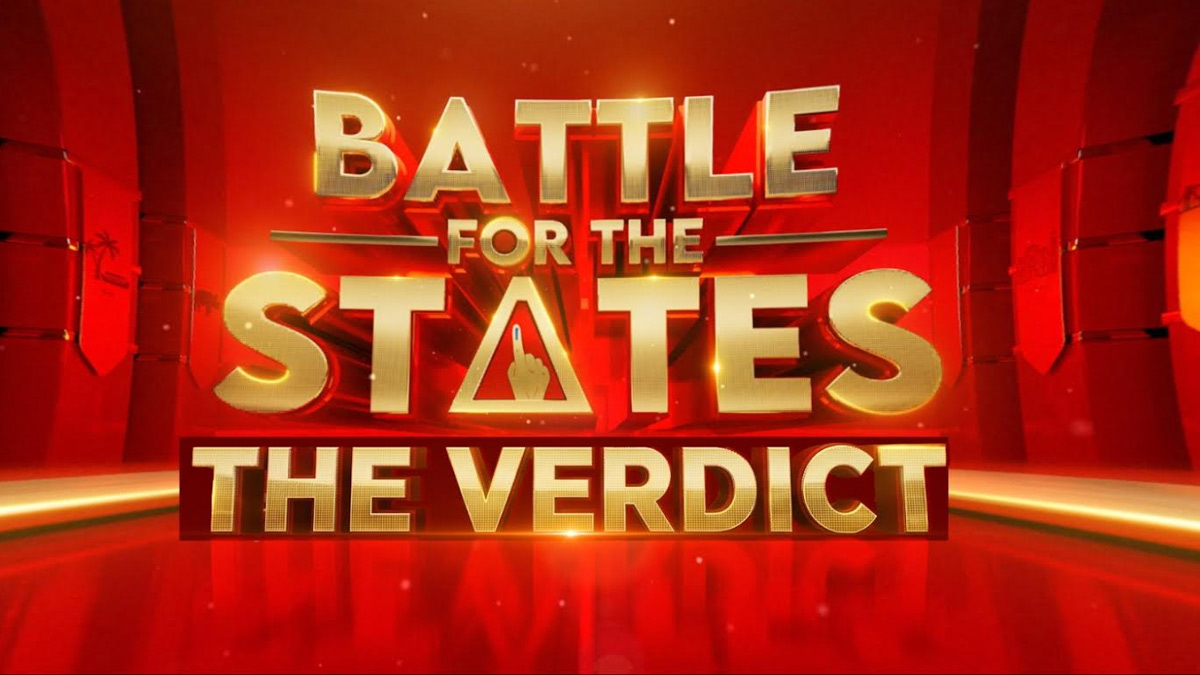
NOIDA: The votes have been cast. Now comes the reckoning. CNN-News18 is pulling out all the stops for results day on 4th May, when counting begins across five battleground states — West Bengal, Assam, Kerala, Tamil Nadu and the Union Territory of Puducherry — in what promises to be one of the most closely watched electoral verdicts in recent memory.
The channel’s coverage, titled Battle for the States: The Verdict, kicks off at 7am and runs through the day across linear TV, connected television and YouTube. It is the culmination of CNN-News18’s multi-format editorial initiative, Battle for the States, which has tracked the polls from the beginning under the theme Road to Power.
At the operational heart of the coverage will be the Live Results Hub, the channel’s central command centre built to collate, verify and process real-time data flowing in from reporters stationed at counting centres across constituencies. The hub combines newsroom intelligence, analytics and on-the-ground reporting to deliver what the channel promises will be the fastest and most accurate results coverage in English news.
Leading the on-air charge will be primetime anchors Rahul Shivshankar, Anand Narasimhan, Aman Sharma, Nabila Jamal and Shivani Gupta. They will be joined by a wide panel of commentators including author Chetan Bhagat; GVL Narasimha Rao, senior leader of the BJP; Smita Prakash, editor of ANI; activist Saira Shah Halim; political analyst Sumanth C Raman; Abhijit Iyer Mitra, senior fellow at IPCS; Amitabh Tiwari, founder of VoteVibe; columnist Abhijit Majumdar; Nalin Mehta, managing editor of MoneyControl; political analyst Tehseen Poonawalla; senior journalist Subir Bhaumik; and political analyst Manojit Mandal.
Shivshankar, who serves as editorial affairs director at CNN-News18, set out the stakes plainly. “Counting day is one of the most watched events in the electoral cycle, where speed and credibility are tested in real time,” he said. “Battle for the States: The Verdict is built on that promise, combining ground reporting, sharp analysis and cutting-edge election technology to give viewers the clearest and fastest route to the verdict. On May 4, CNN-News18 will once again be the nation’s most trusted channel to witness democracy in action.”
Smriti Mehra, chief executive of English and Business News at Network18, framed the coverage in broader terms. “Elections are defining national events, and audiences turn to brands they trust in moments that matter,” she said. “CNN-News18 has consistently led from the front in every election coverage, and this special programming reflects the scale of our ambition and editorial strength.”
The channel has form here. It claims to have been India’s most preferred English news destination for election results for the past 20 years, covering everything from the 2024 general elections to the Delhi, Maharashtra, Bihar and BMC polls on the back of what it calls an “Always First, Always Right” record. Five states, one day, and a nation waiting for answers. The clock starts at 7am on 4th May.