MAM
Uber rolls out rewards program for drivers in Mumbai

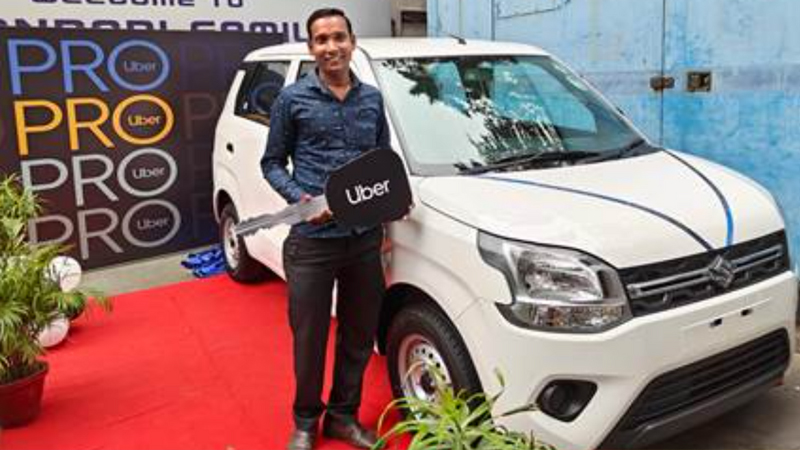
Mumbai: Uber has launched ‘Uber Pro’ – a rewards program inspired by drivers and designed to help them reach their goals – both on and off the road. Uber Pro provides drivers with new ways to earn, more options and support, and deeper discounts on what keeps them moving. It has been launched with exciting rewards, perks, and exclusive features across 12 Indian cities, including Mumbai. By rewarding drivers with good customer rating (above 4.8) and low trip cancellations, this program aims to elevate overall platform experience by making every trip magical for riders and drivers alike.
Commenting on the launch of Uber Pro in India, Uber India & South Asia director – operations Shiva Shailendran said, “Drivers are at the heart of what we do at Uber. We are committed to providing a great ride experience for a rider and driver each time they choose Uber. Uber Pro rewards drivers who provide a great service to riders by maintaining a high app rating and low trip cancellations. It will go a long way in promoting the adaptation and continued use of the Uber platform by top-rated drivers who have made us #IndiaKiRide over the last 10 years, and will improve the overall experience on the Uber app.”
Uber Pro has four tiers: Blue, Gold, Platinum and Diamond, with Diamond being the highest possible tier. A driver who is new on the platform starts with a Blue tier status and moves upwards by earning ‘points’ on every completed trip and meeting other criteria. The points reset every 3 months, so the drivers’ tier status is determined on a rolling period of 3 months. As drivers move towards a higher tier status, they get access to exclusive perks and experiential rewards offered by third parties, such as discounted vehicle maintenance and motor insurance, and microcredit offerings etc.
Uber Pro benefits
Drivers who were able to maintain the top rating ‘Diamond’ for a full quarter were given a cash reward of Rs 10,000/-. Top-tier drivers from diamond and platinum tiers also got access to exclusive experiential rewards including those mentioned below.
Area Preference: For two hours every day, drivers were able to choose to get trips from an area of their choice. This gave them flexibility to drive in their preferred area.
Priority support: In case they needed support, these drivers could skip the queue at Uber greenlight centers and received special attention from top support agents on priority.
Automatic Premier Eligibility: Eligible drivers also got upgraded to get ‘Premier’ trips on the Uber app. With a combination of Go and Premier trips, drivers not only had a chance to receive more trip requests, but also received more high-value trip requests with premier.
Along with drivers in Platinum and Diamond tiers, Gold tier drivers also received a 30 per cent extra discount vs. market price on Castrol vehicle PMS. Drivers from all tiers were eligible to access differential enhanced microcredit limits (up to Rs 20k, Rs 15k, Rs 10k, and Rs 8k, for Diamond, Platinum, Gold, and Blue tiers respectively). These microcredits are cash credits provided by a third party, facilitated by Uber, that help drivers achieve life goals such as supporting their children’s education or contributing to house expenses, etc. All Uber Pro drivers were also eligible for discounted premiums for life, health, and motor insurance.
Riders will be able to see the tier status of a driver on booking an Uber and drivers will be able to track their progress on the Uber app. The program is currently live in 12 cities including Mumbai, Bangalore, Chennai, Pune, Hyderabad, Delhi NCR, Kolkata, Lucknow, Chandigarh, Ahmedabad, Guwahati and Jaipur. Uber plans to roll this out to more cities in the near future.
Disclaimer: Rewards vary by location and Uber Pro status of the driver, and are subject to change. Rewards described here may not be available in all cities where Uber Pro is available. Additional limitations and exclusions apply. See terms and conditions for complete details.