News Broadcasting
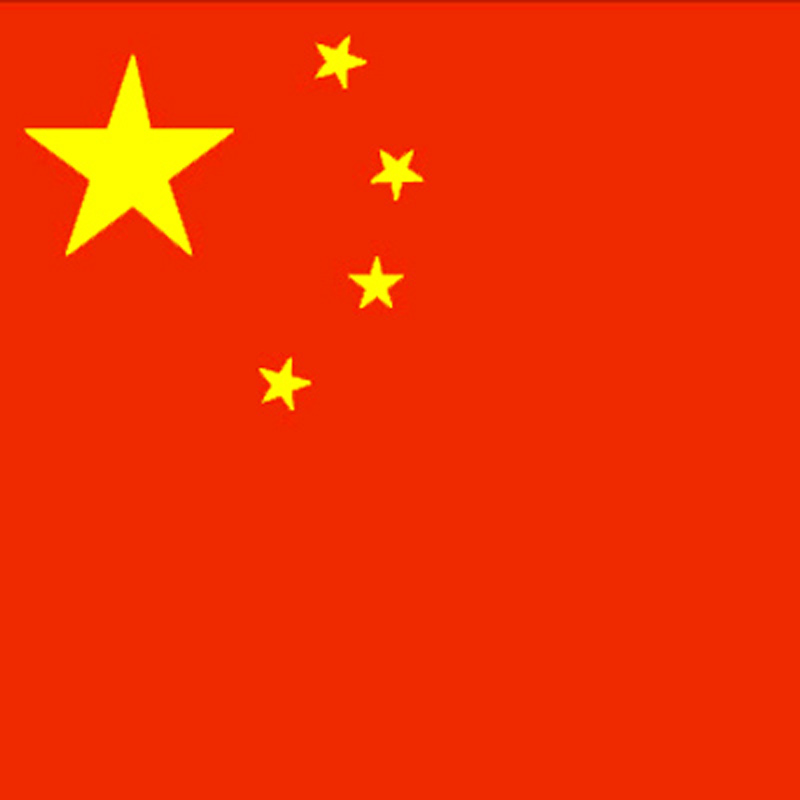
China restricts foreign stake in TV, film production Cos
MUMBAI: China has adopted a policy in disallowing the creation of new joint venture companies dealing with television and film production.
The decision sets aside rules issued in 2004 that allowed foreigners to take minority stakes in local production companies.The country is suggesting international media companies to work instead through individual projects with local partners.
Such a move would be a blow to foreign media companies that are eager to tap a Chinese market with 400 million increasingly affluent TV viewers and booming video sales.
State Administration Radio, Film and Television (SARFT) director Zhu Hong said, “Our policy is to temporarily not approve the creation of new joint companies. People can jointly invest in filming individual movies and individual television dramas, but we are not going to approve the creation of program production companies.”
Beijing has tightened curbs on foreign media involvement over the past two years, both to protect Chinese companies from competition and to maintain the communist government’s control over what the public sees and hears. Regulators also have restricted use of foreign programming on Chinese television.
“The agency isn’t considering expanding the limited rights granted to a handful of foreign television channels to broadcast in China,” Zhu added.

News Broadcasting
News TV viewership jumps 33 per cent as West Asia war draws audiences
BARC Week 8 data shows news share rising to 8 per cent despite T20 World Cup
NEW DELHI:Â Even as individual television news channel ratings remain under a temporary pause, the genre itself is seeing a clear surge in audience attention.
According to the latest data from Broadcast Audience Research Council India, television news recorded a 33 per cent jump in genre share in Week 8 of 2026, covering February 28 to March 6.
The news genre accounted for 8 per cent of total television viewership during the week, up from 6 per cent the previous week. The spike in attention coincided with escalating geopolitical tensions involving the United States, Israel and Iran, which have kept global headlines firmly fixed on West Asia.
The rise is notable because it came at a time when cricket was dominating television screens. The high-stakes stages of the ICC Men’s T20 World Cup, including the Super 8 fixtures and semi-finals, were being broadcast during the same period.
Despite the cricket frenzy, viewers appeared to be toggling between sport and global affairs, boosting the overall share of news programming.
The surge in genre share comes even as the government has enforced a one-month pause on publishing ratings for individual news channels. The move followed regulatory scrutiny of the television ratings ecosystem.
While channel-level rankings remain temporarily out of sight, the genre-level data suggests that when global tensions escalate, audiences continue to turn to television news for real-time updates.