News Headline
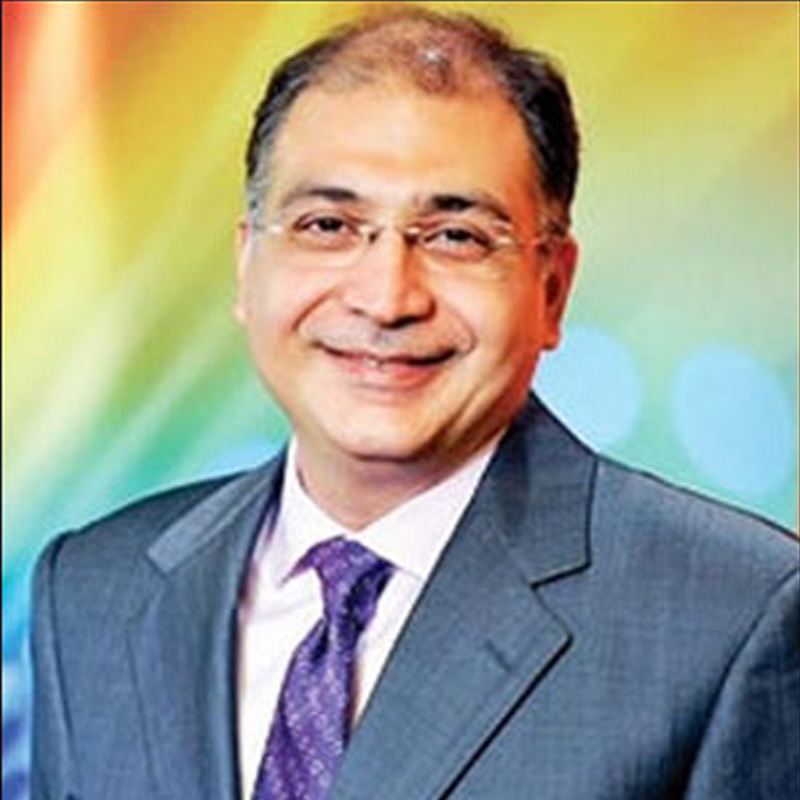
The tough task of building a non-tabloid news channel in India -NewsX Co-promoter & Editor-in-Chief Jehangir Pocha

Nothing worth doing is easy, and building a genuine, non-tabloid news channel in India is certainly worth doing. But it‘s clearly very difficult.
It‘s widely put out that the problem is the viewer. It‘s posited that he (and it‘s almost always considered to be a “he”) is of only average intelligence, attracted by gaudy sets, sensational presenters, cluttered screens, and animation that is more animated than a Korean video game.
Yet, at NewsX, we have seen our viewership and appreciation for our non-tabloid content swell significantly. Shows like Art Talk, the only one of its type that no one would have thought of as a TRP driver, are sometimes the most watched shows of the week! Our reporting from Kashmir, Naxal areas, and bomb blast sites often get more viewers than other channels‘ Bollywood shows. In fact, on weekends, when other channels load up on entertainment, lifestyle and sports, our news bulletins and shows score so well we‘re almost always one of the most-watched news channels.
The fact is that viewers (men and women) are desperate for real, non-sensational, non-tabloid news channels, and a very sizable segment of them are rapidly evolving in their taste, knowledge and interests. One can see this in Bollywood, where these new viewers drive the success of films, such as Peepli Live.
But it is the broadcast industry itself, with its many distortions, that puts barriers in the way of reaching these viewers and consolidating them.
This is especially problematic for new entrants.
The biggest problem is distribution. The cost of distributing a new channel is prohibitive, and the monopolistic nature of distribution means new channels have limited leverage. There is also no incentive for distributors to want to encourage and develop new channels, as their limited carriage bandwidth is already overloaded.
In fact, too many distributors do the opposite – work with established channels to hinder new ones. Sad. And bad for democracy. A more enlightened approach, that could benefit everyone, would be to introduce digitisation, and end the artificial scarcity in distribution by creating limitless bandwidth. This would grow the entire industry, from the number of broadcasters, to the revenue of distributors, and the quantum of advertising. Yet, the government and industry leaders are failing at this.
The faults of the Tam system are also well established, but again, the inaction on fixes is worrying. There is always a vested interest in the status quo, but isn‘t there now more advertiser, agency, public and broadcaster interest in revamping and refining Tam? As it is, the final ratings for English news channels is determined every week by just 5 to 7 individuals! They‘re among the most powerful people in the country, except they don‘t know it.
Tam is like a microscope – when inefficient, it can vaguely show only huge items, or bundles of viewers. This was acceptable when there were only a handful of channels with huge viewership. But the TV industry is now much more fragmented. So there is a need for Tam to become efficient and more clearly show smaller bundles of viewers. Company marketing heads and CEOs I have spoken to all know this. They all have this gnawing feeling that they‘re not necessarily spending their advertising budgets well and not getting the best bang for their buck.
That‘s one reason India is one of the only countries in the world where print is still heavily favoured by advertisers. There‘s just a greater comfort factor with print, and its substantially better metrics and measurements. So, if anyone wants to grow TV advertising, they should know reforming Tam is the key.