MAM
Marketers eye India’s burgeoning youth population


MUMBAI: India‘s burgeoning youth population is the core attraction of every marketer. And reshaping the marketing industry is the fact that 65 per cent of the Indian population is youth, which is expected to grow by more than 47 million by 2020.
Uninor (Unitech Wireless) corporate affairs executive vice president Rajiv Bawa affirmed that despite his company being the 13th in the Indian telecommunications market, it did well by targeting the Indian youth population.
Uninor‘s slogan of “ab mera number hai” was conceived for the youth.
“Since inception, we have used every marketing tool and strategy to attract the youth,” said Bawa, while speaking at the third Global Youth Marketing Forum.

Future Media CEO and Future Group president – customer strategy Sandip Tarkas agreed that youth would dominate the economic scene in India for a very long time. He asserted that the youth in India is westernised but still respects Indian values.
“Though Indians just like their Western counterparts want to be part of the sub-culture, they still respect their parents and aren‘t really rebellious,” he averred.
Tarkas also said that many retail shops are today built for the youth – at least most of them have a section for the young ones. Latest technologies, fashion and music are a part of this offering.
Speaking on youth revolution in the mobile handset industry, BYOND Mobiles marketing and sales vice president Shripal Gandhi said the power of youth population has encouraged them to create handsets meant for the young. He said that his company‘s handsets have features like high-battery life, games and music, which is most desired by the young.
Gandhi also emphasised the importance of North-eastern part of the country, which he referred to as a “virgin” market with lot of opportunities.
BBDO / Proximity India chief executive officer Ajai Jhala explained the country‘s youth in a very philosophical manner. Before Independence Indian youth had the ambition of gaining independence for the country. Post Independence due to Socialist-styled economy, that motive was transformed into fighting the corrupt system and red tape.
After liberalisation, this was changed forever, Jhala said. “Today‘s youth is now more self-centred and wants to know ‘what in it for me‘. Indian youth has become more practical and materialistic,” he elaborated.







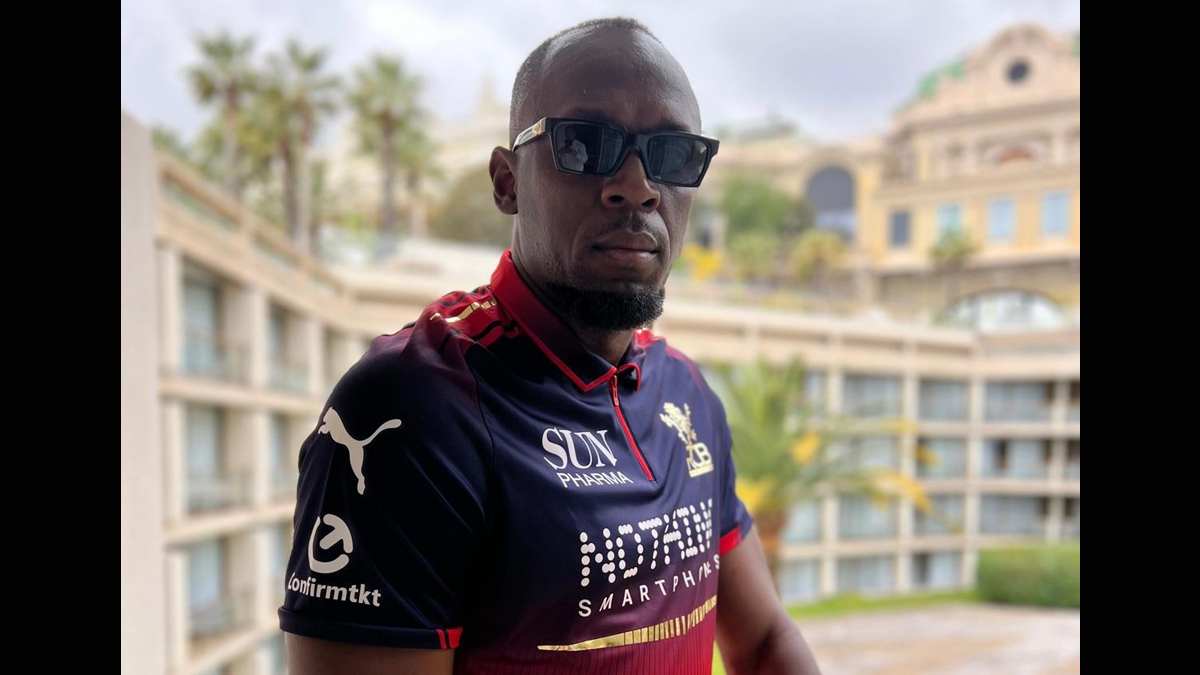
MUMBAI: He may have clocked the fastest time on track, but Usain Bolt is now sprinting straight into cricket fandom again. The eight-time Olympic medallist has returned to spotlight his long-standing support for Royal Challengers Bengaluru, featuring in sportswear giant PUMA India’s latest #RCBEverywhere campaign. Dressed in the 2026 RCB jersey, Bolt shared the moment on social media, pairing it with a throwback to the kit he first received in 2021 marking a fandom that has only gathered pace since.
A self-confessed cricket enthusiast and admirer of Virat Kohli, Bolt’s association with RCB has evolved through Puma’s global athlete ecosystem. The brand, which has partnered with Bolt for over two decades, is now leveraging his cross-sport appeal to amplify RCB’s already global fan culture.
The campaign builds on a behaviour that fans have long embraced taking the jersey beyond stadiums and scales it with one of the most recognisable athletes in the world. Bolt’s earlier appearance alongside Kohli and RCB players in a viral reel last year further cemented his status as an unlikely yet enthusiastic member of the RCB faithful.
With #RCBEverywhere, Puma is not just selling merchandise, it is exporting fandom. The campaign invites supporters to join the movement, with opportunities to win match shirts and tickets, while participating in a global conversation that now stretches far beyond Bengaluru.
From Olympic tracks to IPL terraces, Bolt’s latest cameo proves one thing, speed may be his signature, but fandom travels just as fast.