News Broadcasting
Journalists need to hold power to account: Boaden

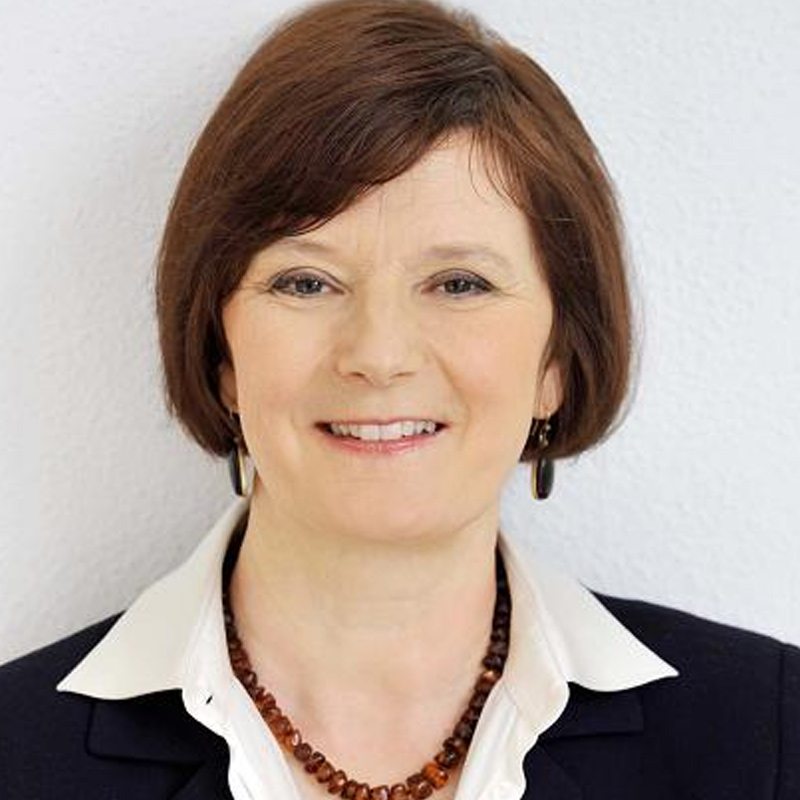
MUMBAI: “If the BBC is weak, or lacking in confidence, or isn‘t sure about its editorial judgments and methods, then it runs the risk of being pushed around…of losing its independence in all but name.”
The cautionary note has come from BBC News director Helen Boaden.
Elaborating on the task of newsmen, Boaden has said that the journalist‘s job is to hold power to account – to shine light in dark places. But they can only do so if they have the courage of their convictions – if they have done their journalism properly – and if they are properly able to weigh up the consequences of their actions.
Speaking on ‘Value of Journalism’ at The BBC College of Journalism and POLIS international conference, Boaden said that people are surrounded by more sources of news on more platforms than any previous generation could have imagined. But in a sea of information, opinion, misinformation and sometimes downright lies, it‘s vital to know which news you can trust.
“So for all the innovations that have changed the broadcasting environment so rapidly, the principles – for us – are the same. It‘s important to do the right thing – whatever the pressure. That way, you build your reputation for independence and impartiality,” she added.
Last year, the BBC News channel had record audiences for many major news stories. It recorded the highest reach of any UK news channel – 7.4 million – on the day that Gordon Brown resigned and David Cameron became prime minister. The day after the general election, 7 million watched, and 6.9 million watched the rescue of the Chilean miners. More recently, on 11 March, the channel reached a new record of 8.5 million for the Japanese earthquake. On the same day, the BBC website, too, had record traffic internationally with 15.8m unique users.
“Our ratings for trust, impartiality and independence have also continued to rise over the last three years. There‘s a direct connection between these sets of figures. As the perception of trust and impartiality increases, so do our audiences. The BBC Trust has shown that impartiality is an important factor in the audience determining its choice of broadcast news provider,” Boaden said.
In a major survey published last year, Ofcom found that 91 per cent of people thought it was important or very important that “news in general is impartial”. So if partisan reporting is allowed under a new Communications Act – and there are detailed arguments for and against – then the BBC will do everything it can to maintain and strengthen its tradition of impartial journalism.
“But that means we must be strong enough, and fair and honest enough, to admit mistakes when we have made them. To hold those in power to account we have to be accountable ourselves,” Boaden noted.
That‘s why the other side of this story is how the UK pubcaster handles complaints about its journalism. “Complaints come in all shapes and sizes. We must be strong enough not to cave in to those who complain of a red menace – as they did in the 30s – or that we are being unpatriotic in holding Fifa to account We should be confident enough to say to all our audiences – not just those in positions of power – we stand by our programmes,” she added.
But at the same time, the coverage should be sensitive enough to be able to recognise where complaints have validity.
Boaden offered an example. When Israeli commandos boarded a boat called the Mavi Marmara, which was bound for Gaza, in a raid that left 9 people dead last year, Panorama mounted a brave, thorough and forensic examination of what went wrong. After the programme – which was called “Death on the Med” – the BBC received 2,000 calls, letters or e-mails, three-quarters of them critical. The pubcaster estimated that a quarter of those who contacted the news outfit were part of a lobby group, using wording recommended by a particular website. In the end, however, it‘s not the volume of complaints that counts – wearying though it may be for editors – but their validity.
Subsequently 19 complaints, raising 51 substantive points, were put to the complaints process. In this case, the Trust took pains to praise the programme as “an original, insightful and well-researched piece of journalism.” It stressed its impartiality and accuracy.
But three points were upheld by the Trust – two relating to breaches of the BBC‘s editorial guidelines regarding accuracy and one on impartiality.
“We apologised for the mistakes, and accepted the praise. And that, I think, is how it should be. Saying sorry should not be seen as a sign of weakness. Nor should it be seen as such by our opponents who invariably take delight in a BBC apology,” said Boaden.
“We must be independent in our journalism, but independent-minded enough to recognise our own faults, where they exist – without anyone assuming that we are caving in to political pressure, or being pushed around. Indeed, it should be seen as a sign of institutional health – that an organisation not only stands up for its journalism, but holds up its hands if it gets things wrong – whatever the status of the complainant,” she added.
Striking a balance between allowing all-comers to complain and making the process unduly restrictive is very hard. It means the system can be preyed on by interest groups, or individuals with an obsessive interest, or those with the time and resources to pursue an agenda of their own. Sometimes, when people complain about a lack of impartiality, they are simply trying to impose their version of the truth on the BBC. “It can be difficult for us, or unpleasant,” she said.
Understandably, in these circumstances, editors would rather be doing the job, than answering complaints about the job. It can be time-consuming, and costly. But it can only be right that everyone is equal in the eyes of the complaints system. The alternative might be an organisation which holds power to account without being properly accountable itself.
“So that the confidence which we need as journalists becomes arrogance. A form of pride which, inevitably, will lead to a fall. We need confidence – and we need accountability. We need systems that work in order to ensure that our journalism is robust.”
She noted that all politicians, of whatever party, embrace the BBC‘s independence in theory – but have occasional difficulties in practice, especially when they are in power. That means it‘s important to do the right thing – whatever the pressure.
“That way, you build your reputation for independence and impartiality. To hold power to account – we have to tell the truth as we see it, to the people who need it, independent of government and commercial interests. But we must do so freely and fairly, and in a genuine spirit of inquiry. And if you ask the questions of those in power – you must be prepared to answer them – and to acknowledge your own mistakes.
Not only does it go with the territory. It‘s a vital part of the landscape.”






